

CoQ10: Should you take this popular supplement if you're on a statin?

Microplastics: A hidden health threat?

Oat vs. dairy milk: Nutrition, benefits, and downsides

What is tempeh? Benefits, nutrition, and how to use it

Healing after food poisoning

Children of centenarians may stay healthier and live longer too, study finds

Light exposure at night may raise risk for heart disease

A lumbar belt may help ease low back pain

Whole grains may improve several heart risk factors at once

Signs of pneumonia: Sometimes vague and unexpected
Preventive care Archive
Articles

Microplastics: A hidden health threat?
While microplastics have been detected in blood and tissues throughout the body, their health effects remain uncertain yet potentially concerning.
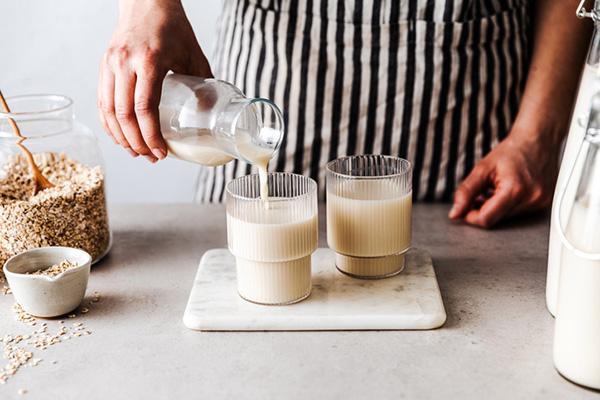
Oat vs. dairy milk: Nutrition, benefits, and downsides
For people who are vegan or allergic or intolerant to cow’s milk, oat milk can be a good alternative. Oat milk contains more carbohydrate but less saturated fat than cow’s milk.
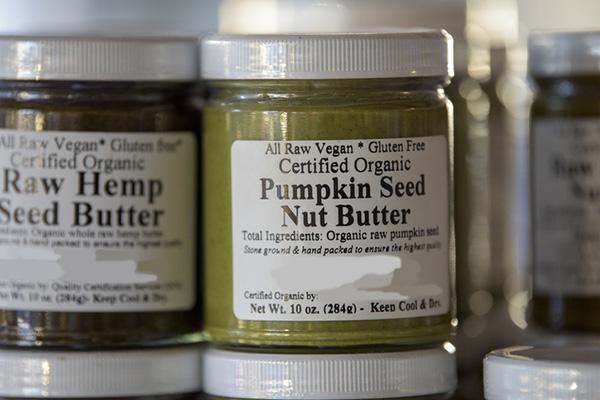
Tips to choose nut butter and seed butter
Any nut or seed butter is a nutritious choice, offering protein, fiber, healthy fats, and minerals. But they’re also high in calories, so watch portion size. Choose “natural” varieties with the fewest ingredients (ideally, just one: the nut or seed they’re made from).
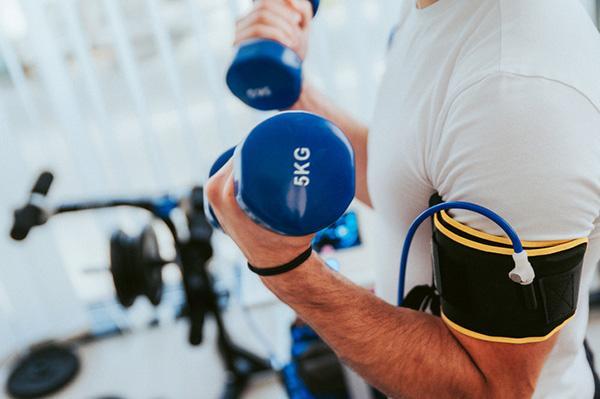
Arthritis, knee surgery, and more: How blood flow restriction training can help
Blood flow restriction training uses a pressurized cuff to partially block blood flow while a person performs strength training exercises. This allows the muscles to grow with the use of lighter weights. It can help a person counter muscle loss that follows surgery or injury.

AI in health care: Can a chatbot answer your medical questions?
Artificial intelligence (AI) chatbots can answer medical questions, but they don’t replace the medical judgment of doctors. For patients, AI is currently most useful for understanding medical conditions, explaining doctor’s notes and lab reports, and helping to prepare for doctor visits.

What's the right way to brush your teeth?
When you brush your teeth, how much thought do you give to what you’re doing? Regular brushing keeps plaque from forming on your teeth and gums healthy, but you do need a good toothbrush and proper brushing technique.

Caring for an aging parent? Tips for enjoying holiday meals
When you are a caregiver for an aging parent, the joy of gathering for holiday meals can be overshadowed by stress. Planning in advance for things like the day’s schedule, timing of the meal, what food your parent can or will eat, and making sure medications are taken will help children and parents enjoy the meal with as little stress as possible.

Children of centenarians may stay healthier and live longer too, study finds
In three long-term studies, children of centenarians had lower rates of high blood pressure when compared with others whose parents had shorter life spans. They also tended to have less heart disease, develop health problems later, and live about three years longer.

Could exercise change how much of your antidepressant you need?
Regular jogging can support mood and brain health, but changing an antidepressant dose involves more than adding exercise to your routine.
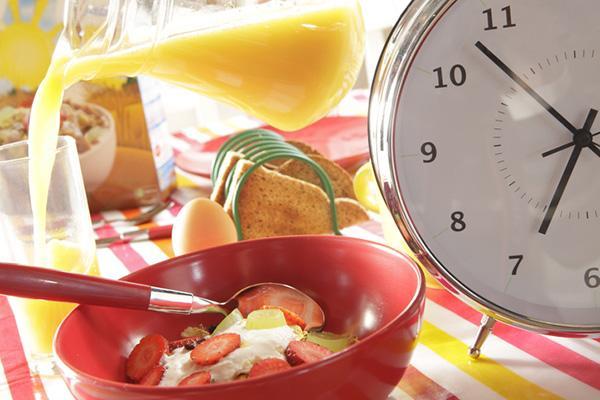
What are some nutritious breakfast options for busy mornings?
Busy mornings do not have to mean skipping balanced nutrition. These quick food combinations offer satisfying alternatives to breakfast shakes.
CoQ10: Should you take this popular supplement if you're on a statin?
Microplastics: A hidden health threat?
Oat vs. dairy milk: Nutrition, benefits, and downsides
What is tempeh? Benefits, nutrition, and how to use it
Healing after food poisoning
Children of centenarians may stay healthier and live longer too, study finds
Light exposure at night may raise risk for heart disease
A lumbar belt may help ease low back pain
Whole grains may improve several heart risk factors at once
Signs of pneumonia: Sometimes vague and unexpected
Free Healthbeat Signup
Get the latest in health news delivered to your inbox!
Sign Up
