

CoQ10: Should you take this popular supplement if you're on a statin?

Microplastics: A hidden health threat?

Oat vs. dairy milk: Nutrition, benefits, and downsides

What is tempeh? Benefits, nutrition, and how to use it

Healing after food poisoning

Children of centenarians may stay healthier and live longer too, study finds

Light exposure at night may raise risk for heart disease

A lumbar belt may help ease low back pain

Whole grains may improve several heart risk factors at once

Signs of pneumonia: Sometimes vague and unexpected
Preventive care Archive
Articles

Don't ignore depression
Depression may be more common as people age, but new data suggest that the biggest threat to older adults’ mental health is their failure to recognize its symptoms and seriousness. Many chalk up depression as a normal part of aging, but addressing it as a real and treatable disease can help older adults seek the help they need and not needlessly suffer.

Why your gums are so important to your health
Periodontal disease, the leading cause of adult tooth loss, may increase the risk of diabetes, heart disease, and dementia.

Rinse, brush, floss, scrape, and repeat
Maintaining good dental health protects against not only gum disease but also helps ward off many other age-related diseases, such as cardiovascular disease, stroke, and dementia. The most common form of gum disease is gingivitis, which begins when bacteria buildup in the mouth causes plaque and tartar to form on teeth and can lead to tooth decay. Because regular dental care can be expensive, daily self-care is the best preventive medicine. A proper dental routine consists of five steps: rinsing, brushing, flossing, tongue scraping, and another rinse.
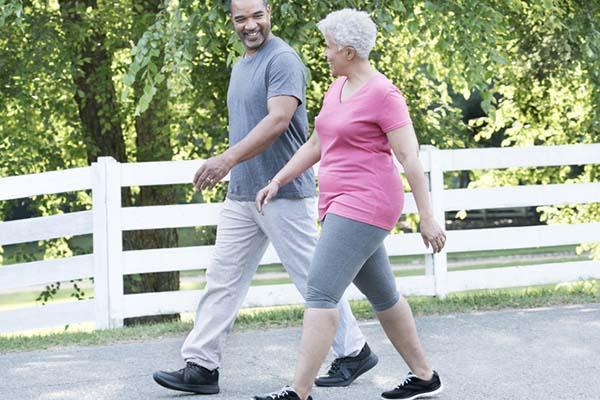
People who walk more or walk faster live longer, study finds
A 2026 study found that taking more daily steps (even at a slow pace) or walking faster (even without adding steps) was associated with a lower chance of dying early.

Melatonin or magnesium: Can either supplement help you sleep?
People who have trouble sleeping may take dietary supplements to ease their insomnia. Melatonin and magnesium, two popular sleep supplements, work in different ways and have varying levels of scientific support.

What causes a vertebra to slip backward?
Retrolisthesis may appear on an x-ray with or without symptoms. Explore what can cause this spinal change and how doctors approach treatment

Could Graves' disease raise the risk of other autoimmune conditions?
Graves’ disease affects the thyroid, but its broader impact may involve other parts of the body. Find out which conditions doctors monitor.

What are the health risks of aluminum exposure?
From cookware to deodorant, aluminum is everywhere. Most people clear it efficiently from their bodies.
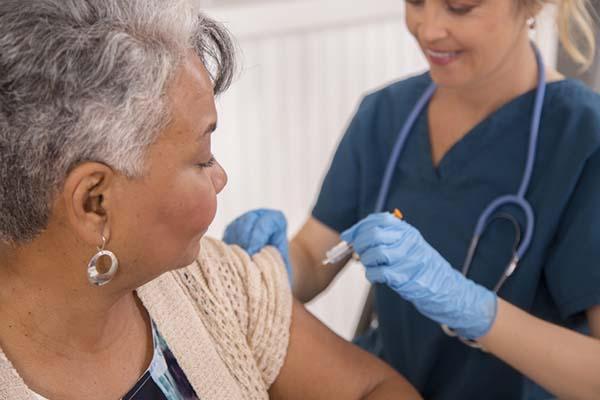
Shingrix shingles vaccine linked with lower heart disease risks
Avoiding a painful shingles attack is reason enough to get vaccinated, but protecting your heart may be another. A major study found that people who received two doses of the Shingrix vaccine have a 9% lower risk of serious heart-related issues over seven years compared to those who got the old Zostavax vaccine.

Why do I sweat so much?
Excessive sweating is often harmless, but it can also signal an underlying health condition or medication side effect. Men typically sweat far more than women do because of much higher testosterone levels, larger body size, and higher muscle mass.
CoQ10: Should you take this popular supplement if you're on a statin?
Microplastics: A hidden health threat?
Oat vs. dairy milk: Nutrition, benefits, and downsides
What is tempeh? Benefits, nutrition, and how to use it
Healing after food poisoning
Children of centenarians may stay healthier and live longer too, study finds
Light exposure at night may raise risk for heart disease
A lumbar belt may help ease low back pain
Whole grains may improve several heart risk factors at once
Signs of pneumonia: Sometimes vague and unexpected
Free Healthbeat Signup
Get the latest in health news delivered to your inbox!
Sign Up
