

Estrogen-only hormone therapy tied to lower dementia risk

Should you have a hysterectomy?

Stair climbing may significantly lower cardiovascular risks

Why do I sweat so much?

Walking pneumonia: The "mild" illness that can still pack a punch

Tai chi walking: What is it and does it work?

What causes knee pain: How doctors make a diagnosis
Sacroiliac joint pain: Causes, symptoms, and exercises that help

Where you carry excess weight matters in predicting heart disease risk

Study: At-home colorectal cancer screening may significantly cut colon cancer deaths
Preventive care Archive
Articles

Protect yourself from falls outside the home
Many strategies can help people avoid falls in public places. For example, people can wear shoes with nonslip treads in stores and office buildings, use a rollator for stability in crowded areas such as airports or shopping malls, hold handrails on public staircases (or avoid them), avoid parking too close to vehicles in parking lots, or use the handicap stall in public bathrooms. Another important strategy is regularly strengthening leg and core muscles and practicing balance exercises (such as standing on one leg).

Ways to maximize your energy
People’s energy levels typically decrease later in life as a result of aging, illness, or other factors. Fortunately, a healthier lifestyle can boost energy. That involves eating a diet low in added sugars and processed foods, getting seven to nine hours of sleep each night, managing stress, getting lots of aerobic exercise, and strengthening the muscles. Using physical energy frugally is another useful strategy. For example, it helps to perform activities at a slow, steady pace instead of a fast pace; to break activities into small tasks instead of one large job; and to rest between tasks.
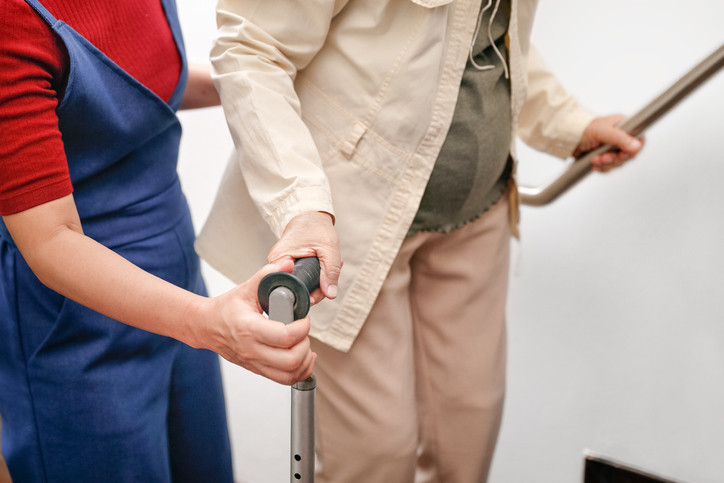
Preventing falls in older adults: Multiple strategies are better
Falls among older adults are on the rise, but most are preventable. To do this, interventions must target the multiple factors that contribute to falls, taking steps to minimize them or prevent them entirely.

Be wise about bee and wasp stings
In most cases, bee, wasp, or hornet stings can be treated with simple remedies. For example, placing a cold pack on the sting site helps reduce swelling. Applying over-the-counter hydrocortisone cream helps relieve swelling and itching, too. Taking an antihistamine—such as fexofenadine (Allegra) or loratadine (Claritin)—also eases itching. If symptoms persist for a few days, it’s time to call a doctor. If a severe allergic response develops—indicated by difficulty breathing or hives—it’s crucial to call 911 for help and get an injection of epinephrine as soon as possible.

How long after using nicotine can a blood test still detect it?
Blood tests can show recent nicotine use, how heavily you’ve been exposed, and why traces may still appear days after your last cigarette.

Jump-start a healthier New Year with four holiday eating tips
The holiday season is full of parties, gatherings, food, and drink — making it an ideal time to adopt healthier eating habits. Doing so can help you manage stress and avoid overeating, and will set you up for success in the new year.

Winter hiking: Magical or miserable?
The instinct to stay indoors during winter can start to feel confining after a while. Going for a winter hike is a great way to get out in nature and get exercise, but it’s quite different from warm-weather hiking, and requires preparation and precautions.

21 spices for healthy holiday foods
The holiday season is probably the hardest time of year to resist rich, indulgent foods, but too many salty, fatty, sugary choices can harm your health. Instead, try adding natural flavor to holiday foods with herbs and spices, many of which contain substances that have a beneficial effect on health.

How to protect your health in a power outage
Staying at home during a power outage can be risky for your health. To be safe, take steps to maintain power for essential medical equipment, store medications properly, and prepare for other hazards.
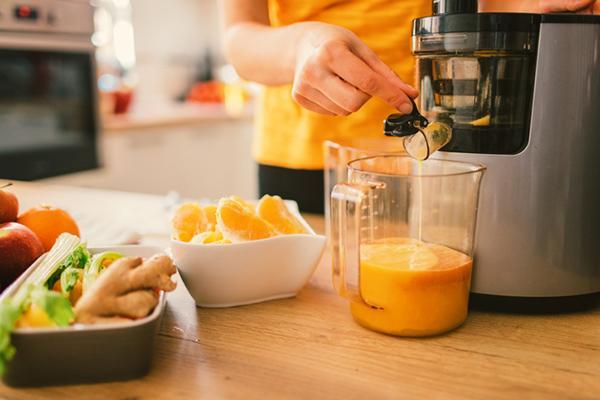
Can juicing help you get more fruits and vegetables?
Juicing can be a helpful way to meet your daily fruit and vegetable goals. While eating whole produce is ideal, a well-made juice offers key nutrients. Aim for mostly vegetables, limit fruit, and choose store-bought juices with no added sugar.
Estrogen-only hormone therapy tied to lower dementia risk
Should you have a hysterectomy?
Stair climbing may significantly lower cardiovascular risks
Why do I sweat so much?
Walking pneumonia: The "mild" illness that can still pack a punch
Tai chi walking: What is it and does it work?
What causes knee pain: How doctors make a diagnosis
Sacroiliac joint pain: Causes, symptoms, and exercises that help
Where you carry excess weight matters in predicting heart disease risk
Study: At-home colorectal cancer screening may significantly cut colon cancer deaths
Free Healthbeat Signup
Get the latest in health news delivered to your inbox!
Sign Up
