

Healing after food poisoning

What is tempeh? Benefits, nutrition, and how to use it

Light exposure at night may raise risk for heart disease

Whole grains may improve several heart risk factors at once

A lumbar belt may help ease low back pain

Children of centenarians may stay healthier and live longer too, study finds

Signs of pneumonia: Sometimes vague and unexpected

The surprising link between ovarian cancer and the fallopian tubes

Using a vibration plate: What it can — and can't — do for your body

People who walk more or walk faster live longer, study finds
Pediatric health Archive
Articles

Hearing aids: Can they help thinking skills, too?
A 2022 review of dozens of randomized controlled trials and observational studies found that people who used hearing aids or cochlear implants had a 19% lower risk of cognitive decline, compared with people who didn't use the devices.

Harvard study: Shingles linked to a spike in risks for heart attack and stroke
A 2022 observational study that included more than 200,000 people found that those who'd had shingles at some point had a 30% higher long-term risk for a major cardiovascular event, compared with people who didn't have shingles.
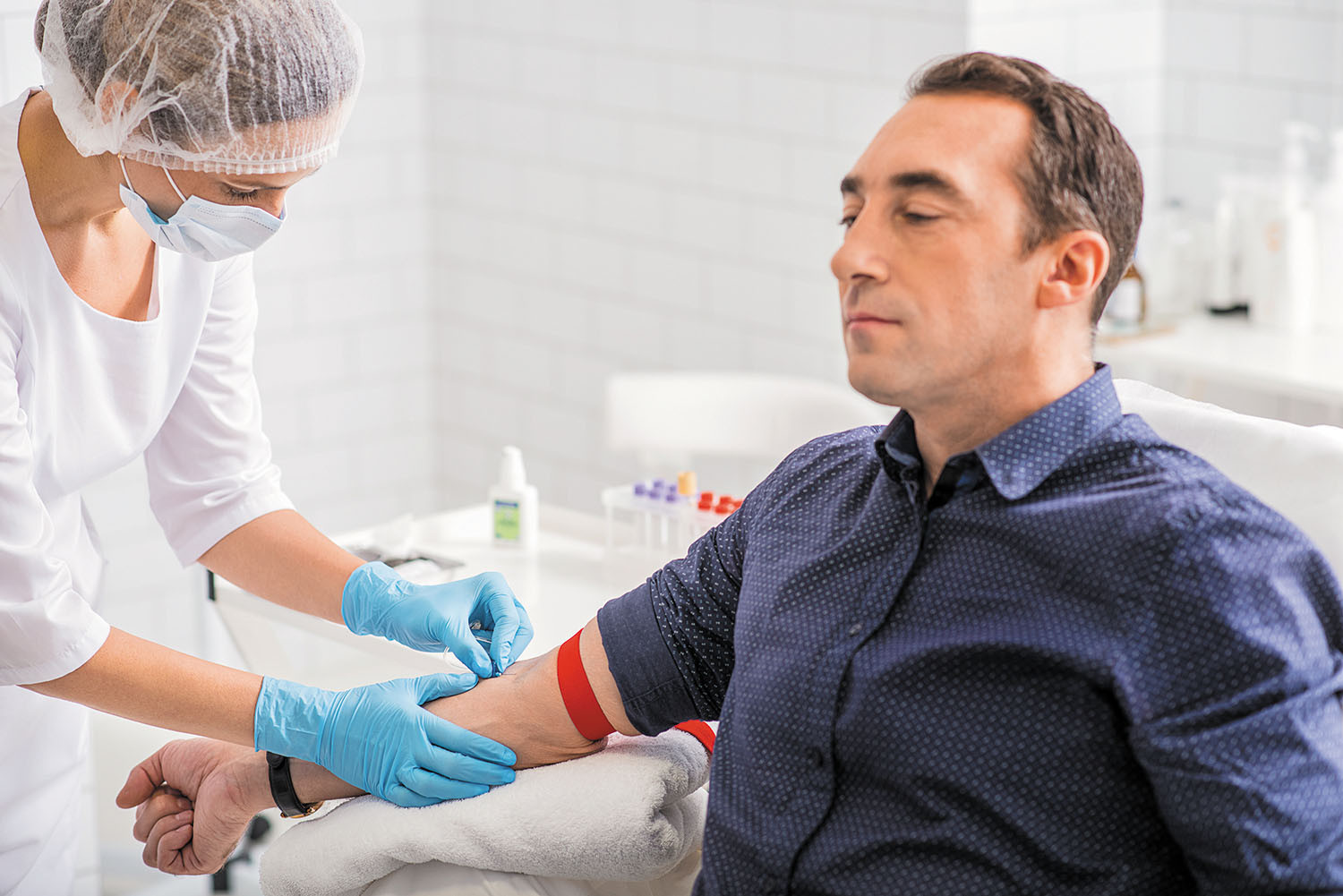
Tips to cope with medical test anxiety
Some people have anxiety about getting medical tests such as blood work, CT scans, or MRIs. When debating whether to skip a medical test due to fear, a person should get as much information as possible about the test or ask for medication to reduce pain or anxiety associated with the test. During a medical test, it may help to do relaxation exercises or focus on something fun planned for later in the day.
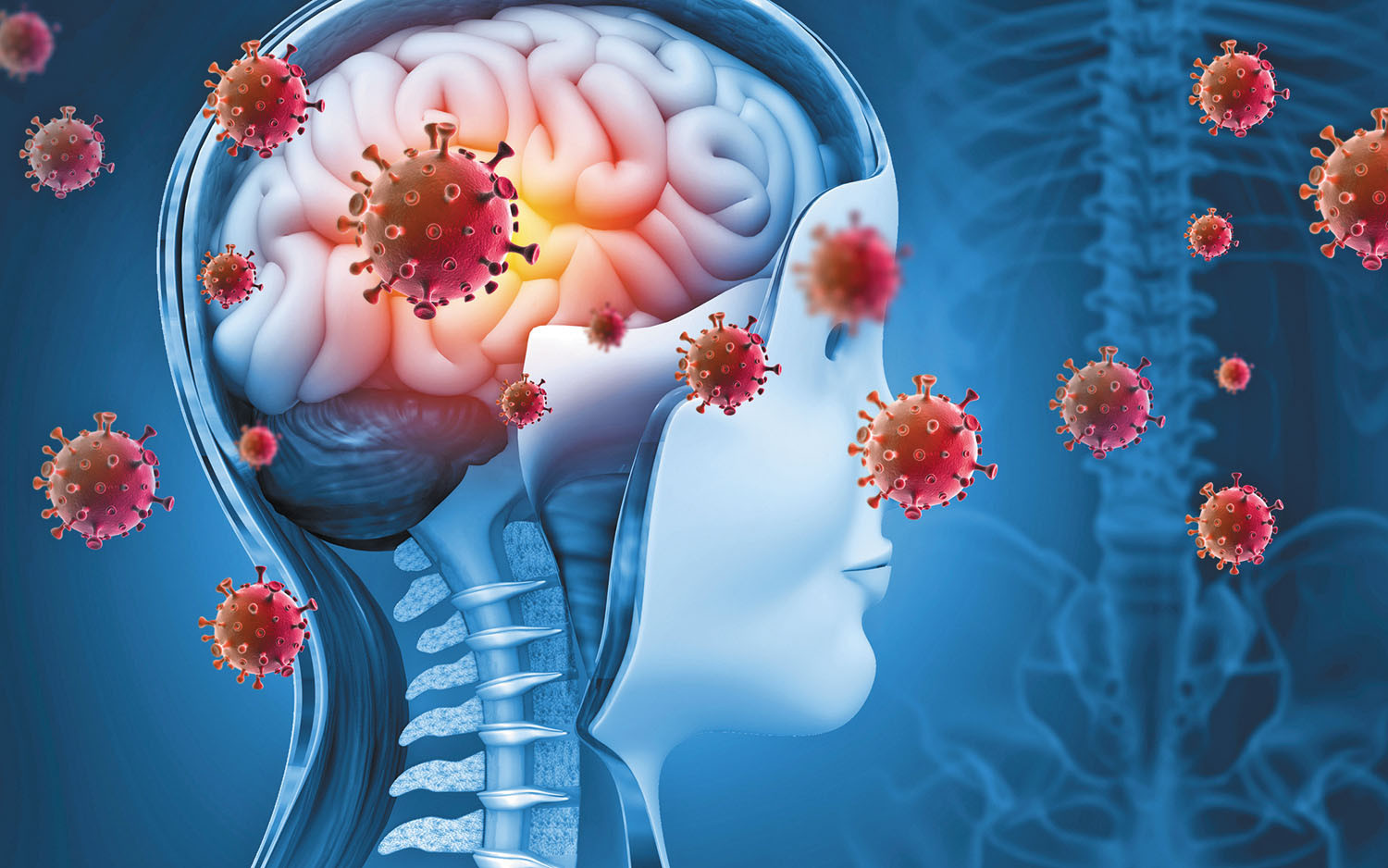
Does COVID-19 damage the brain?
COVID-19 can damage the brain in many ways. Initially, it can cause brain inflammation that causes confusion, difficulty concentrating, and memory problems. COVID also can cause new psychological disorders such as depression or anxiety. It can even cause people to see and hear things that aren't there and to believe things that aren't true. COVID often damages the brain's autonomic nervous system, leading to abnormalities in heart rate and blood pressure. Additionally, the virus that causes COVID can infect and injure the lining of blood vessels and make blood clot more easily, which can lead to strokes and heart attacks.

Parents don't always realize that their teen is suicidal
Parents often think that they would know if their teen was suicidal. However, this is not always the case. Here's what to be aware of and watch for, and what to do if you see worrisome behavior.

What is frontotemporal dementia?
Frontotemporal dementia (FTD) is a brain disorder caused by damage to nerves in certain parts of the brain. It typically affects people in middle age, and is characterized by marked changes in behavior or problems with language.

Want to reduce your risk of dementia? Get your hearing checked today
Dementia occurs more often among older people with higher levels of hearing loss than among those with normal hearing. A new study found that wearing hearing aids reduced the risk for dementia in people who had significant hearing loss.

Does your child need to gain weight?
Weight can be a sensitive topic with children and teens, and sometimes a child needs to gain some weight. Checking with your doctor before working on adding weight and emphasizing healthy, high-calorie foods are important.

Late-stage cervical cancer on the rise: What to know
Cervical cancer is curable when caught early through routine screening, so research showing a surprising rise in advanced cancer cases in some groups is worrisome. Two Harvard experts share insights about the research and advice on how people can best protect themselves.

Why play? Early games build bonds and brain
More than a million nerve connections are made in the brain in the first few years of life. Babies and young children thrive with responsive caregiving, such as engaging a child in playful games that change as they grow.
Healing after food poisoning
What is tempeh? Benefits, nutrition, and how to use it
Light exposure at night may raise risk for heart disease
Whole grains may improve several heart risk factors at once
A lumbar belt may help ease low back pain
Children of centenarians may stay healthier and live longer too, study finds
Signs of pneumonia: Sometimes vague and unexpected
The surprising link between ovarian cancer and the fallopian tubes
Using a vibration plate: What it can — and can't — do for your body
People who walk more or walk faster live longer, study finds
Free Healthbeat Signup
Get the latest in health news delivered to your inbox!
Sign Up
