

Healing after food poisoning

What is tempeh? Benefits, nutrition, and how to use it

Light exposure at night may raise risk for heart disease

Whole grains may improve several heart risk factors at once

A lumbar belt may help ease low back pain

Children of centenarians may stay healthier and live longer too, study finds

Signs of pneumonia: Sometimes vague and unexpected

The surprising link between ovarian cancer and the fallopian tubes

Using a vibration plate: What it can — and can't — do for your body

People who walk more or walk faster live longer, study finds
Pain Archive
Articles
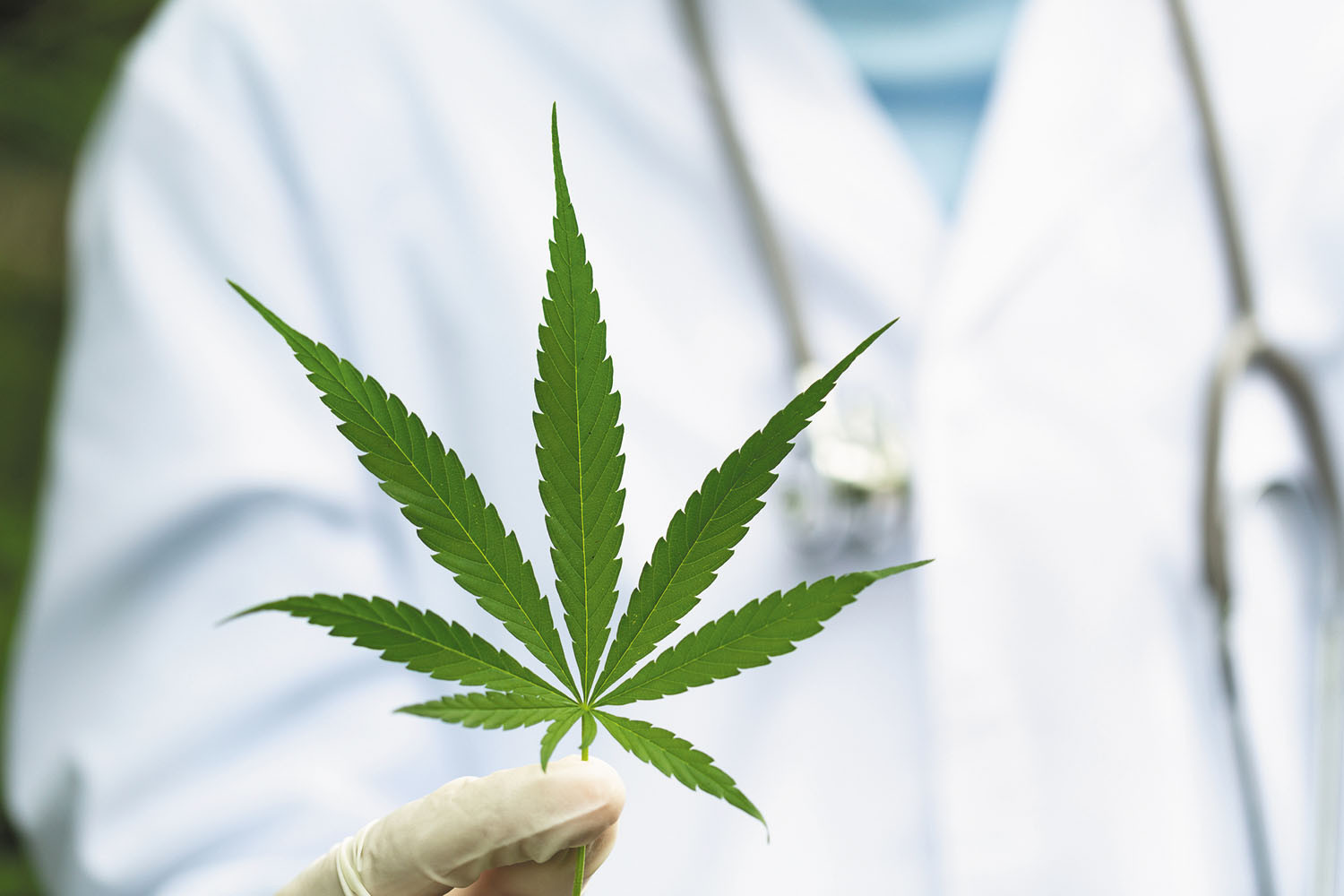
The highs and lows of medical cannabis
It's more accessible than ever before, but is it the right medicine for you?
Medical marijuana — also referred to as medical cannabis — has enjoyed a boom in recent years. More states have legalized it, more products are available, and more people have turned to it for help, especially older adults.
A study in the April 2020 JAMA Internal Medicine found that the number of adults ages 65 and older using medical cannabis increased from 2.4% to 4.2% between 2015 and 2018.

Fears about statin side effects: Often unfounded?
A novel study suggests that the "nocebo effect" could be why some people believe they cannot tolerate statins.
Are you hesitant to fill your statin prescription because you're worried the drug will cause muscle aches and other side effects? Although you're far from alone (see "A royal pain?"), the reality is that all drugs have side effects, and statins aren't worse than other drugs. And fears about statin side effects may be depriving people of a potentially lifesaving medication.
The nocebo effect — the flip side of the well-known placebo effect — occurs when people experience negative effects from a drug, placebo, or other treatment based on an expectation of harm. Because of the widespread belief that statins cause muscle aches, statins have been suspected of triggering a strong nocebo effect. A recent study confirmed this observation (see "A study to assess statin side effects").

Did my diet cause my gout?
Ask the doctors
Q. I eat a lot of shellfish and recently developed gout in my knee. Did my diet cause the condition?
A. As you probably know, gout is a painful form of arthritis that occurs when high levels of a waste product called uric acid build up in the body. It can settle into joints, where it forms sharp crystals that can trigger inflammation, redness, and pain. Your diet may have aggravated the condition, but didn't cause it.

Is your pillow hurting your health?
Pillows can help or hurt, depending on their firmness and your sleep position.
Image: © vitranc/Getty Images
You probably know someone who won't leave home without a special pillow, claiming that a particular bag of fluff or feathers is the key to a good night's sleep. And that person may be on to something. "Anything that will make you more comfortable will improve the likelihood of getting a good night's sleep," says Dr. Lawrence Epstein, a sleep expert at Harvard-affiliated Brigham and Women's Hospital.
But the benefits of pillows don't go much further than comfort and positioning. Sometimes pillows even hurt your health.

Can diet heal chronic pain?
The foods you eat (and don't) can determine how well your body fights painful inflammation.
Image: © autumnhoverter/Getty Images
It's been said that you are what you eat, and that's definitely true when it comes to chronic pain.
"A lot of chronic pain is the result of chronic inflammation, and the evidence is quite strong that your diet can contribute to increased systemic inflammation," says Dr. Fred Tabung, a visiting researcher with the Department of Nutrition at Harvard's T.H. Chan School of Public Health. "But your diet is also one of the best ways to reduce it."

Is fibromyalgia real?
Ask the doctors
Q. My friend was recently diagnosed with fibromyalgia, but it seems like she might be imagining her symptoms. Is fibromyalgia a real condition?
A. The short answer to your question is yes. Fibromyalgia is a real condition that affects some four million Americans. It's a chronic pain syndrome that experts believe may be caused by a malfunctioning nervous system. Researchers using magnetic resonance imaging to examine the brains of people with fibromyalgia have found abnormalities in the part of the brain that processes pain signals from the body. It appears that this part of the brain is essentially boosting the intensity of normal pain signals, potentially causing the body to feel pain without a physical cause.

6 signs that it may be time to have a joint replaced
An ailing knee or a hip can make life miserable. Even if your doctor recommends it be replaced, you need to carefully weigh the risks and benefits before agreeing to this major surgery and understand that it will require significant rehabilitation to get back on your feet.
The most important factor in choosing to have a knee or hip replaced is how much it hurts and how much it is affecting your life. Here are six signals that it's time to have a knee or hip replaced:

What type of mattress is best for people with low back pain?
Back pain is one of the top reasons that people begin to lose mobility in middle age. Pain can keep people from engaging in physical activity, making it more difficult for them to maintain a healthy weight and keep up their strength, stamina, and balance as they age. So treating and managing back pain that results from injuries or health problems is crucial for staying on the path of a healthy and active life.
Considering that most people spend roughly a third of their lives lying in bed, choosing the right mattress is essential for managing low back pain. It can make the difference in whether you can sleep at night and function the next day.

Where to turn for pain relief - acetaminophen or NSAIDs?
The first line of treatment for many knee and hip problems includes taking over-the-counter pain medications. Acetaminophen and non-steroidal anti-inflammatory drugs (NSAIDs) such as ibuprofen and naproxen are the most common pain medication options. However, these pain medications have a variety of side effects, so it's important to discuss your personal health risks with your doctor when considering long-term use for chronic conditions such as osteoarthritis.
Acetaminophen (Tylenol and other brands) is usually effective for mild pain and is easy on the stomach. However, it is toxic to the liver at high doses. The recommended maximum per day is generally set at 4 grams (4,000 milligrams), which is the equivalent of eight extra-strength Tylenol tablets. But that dosage can still cause liver problems for some people. To be safe, aim for 3,000 milligrams or less, and be cautious of mixing multiple products containing acetaminophen, such as a pain reliever and a cold medication or a prescribed narcotic.

Healing after food poisoning
What is tempeh? Benefits, nutrition, and how to use it
Light exposure at night may raise risk for heart disease
Whole grains may improve several heart risk factors at once
A lumbar belt may help ease low back pain
Children of centenarians may stay healthier and live longer too, study finds
Signs of pneumonia: Sometimes vague and unexpected
The surprising link between ovarian cancer and the fallopian tubes
Using a vibration plate: What it can — and can't — do for your body
People who walk more or walk faster live longer, study finds
Free Healthbeat Signup
Get the latest in health news delivered to your inbox!
Sign Up
