

Estrogen-only hormone therapy tied to lower dementia risk
Should you have a hysterectomy?

Stair climbing may significantly lower cardiovascular risks

Why do I sweat so much?

Walking pneumonia: The "mild" illness that can still pack a punch

Tai chi walking: What is it and does it work?

What causes knee pain: How doctors make a diagnosis
Sacroiliac joint pain: Causes, symptoms, and exercises that help

Where you carry excess weight matters in predicting heart disease risk
Study: At-home colorectal cancer screening may significantly cut colon cancer deaths
Over-the-counter (OTC) medications Archive
Articles

How stimulants may affect your heart
Stimulant medications, which are usually prescribed to treat attention deficit disorder in children, are being prescribed increasingly to older adults. These drugs may cause a short-term spike in the risk of heart-related problems, including heart attacks, strokes, and arrhythmias. Dietary supplements that promise weight loss or better physical or mental performance may contain prohibited, unlisted, and potentially dangerous stimulants.

Do older adults benefit from blood pressure treatment?
A study published online Aug. 26, 2021, by The Lancet found that blood pressure treatment protects against heart attacks, strokes, and other major cardiovascular disease problems in people up to age 85 and possibly older. For people younger than 75, the study confirmed that people taking blood pressure medicines had 10% to 20% fewer cardiovascular disease problems. For people 75 to 84, there still was a 10% reduction. For people older than 85, the results were mixed, but there still appeared to be a benefit from blood pressure treatment.

The rising tide of dementia and the need for nondrug therapies

Treatment with abiraterone significantly improves survival in advanced prostate cancer

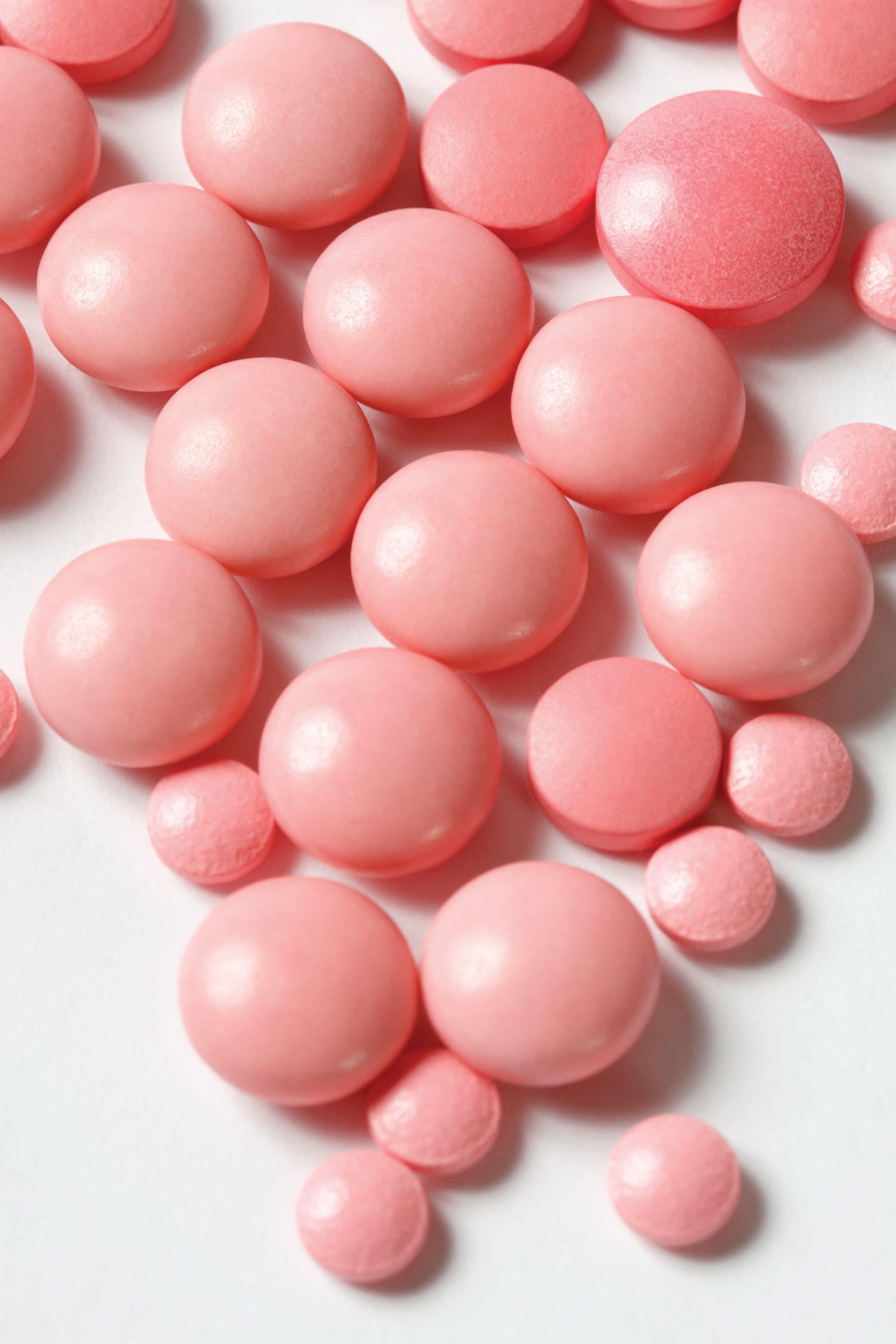
Are bioidentical hormones superior to hormone medications?
Bioidentical hormone preparations aren't superior to FDA-approved hormone medications and may bring additional risks.

Don't fail your heart health
The most common type of heart failure in older adults is heart failure with preserved ejection fraction. This is caused by the heart's left ventricle not being able to relax, which means less blood enters the chamber, so less gets pumped out. Prevention and treatments continue to evolve, but include controlling blood pressure, addressing weight gain with exercise and diet, not smoking, and curbing alcohol intake.

Low-dose aspirin: Little benefit for people without prior heart attack
A draft guideline from a national panel of experts recommends that people without heart disease who are 60 and older should not take low-dose aspirin to prevent a heart attack or stroke.

What is "walking pneumonia"?
Walking pneumonia means a person with pneumonia is highly likely to get well at home and not develop complications. Still, walking pneumonia is considered a significant infection and requires prompt and appropriate treatment. Doctors usually prescribe antibiotics and rest.

Heart-safer NSAID alternatives
Common pain relievers known as nonsteroidal anti-inflammatory drugs (NSAIDs) carry an added risk of heart problems. Use only what you need and for only as long as you need it. Men with heart problems should be extra cautious.
Estrogen-only hormone therapy tied to lower dementia risk
Should you have a hysterectomy?
Stair climbing may significantly lower cardiovascular risks
Why do I sweat so much?
Walking pneumonia: The "mild" illness that can still pack a punch
Tai chi walking: What is it and does it work?
What causes knee pain: How doctors make a diagnosis
Sacroiliac joint pain: Causes, symptoms, and exercises that help
Where you carry excess weight matters in predicting heart disease risk
Study: At-home colorectal cancer screening may significantly cut colon cancer deaths
Free Healthbeat Signup
Get the latest in health news delivered to your inbox!
Sign Up
