

Reading the current blood pressure guidelines

Oat vs. dairy milk: Nutrition, benefits, and downsides

Microplastics: A hidden health threat?

Healing after food poisoning

What is tempeh? Benefits, nutrition, and how to use it

Light exposure at night may raise risk for heart disease

Whole grains may improve several heart risk factors at once

A lumbar belt may help ease low back pain

Children of centenarians may stay healthier and live longer too, study finds

Signs of pneumonia: Sometimes vague and unexpected
Other types of arthritis Archive
Articles
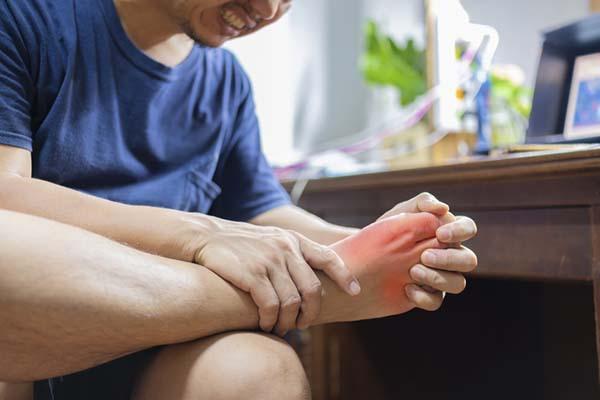
Effective treatment for gout can reduce heart disease risk
People who have gout, which results from excess uric acid in the body, are at increased risk for heart disease and stroke. A 2026 study found that maintaining uric acid levels below 6 mg/dL with medication reduced the risk for heart attack, stroke, and heart-related death.

Stronger muscles after age 60 linked to longevity
A 2026 study of over 5,400 women ages 63 and older found that stronger grip strength and faster chair stand times were linked to lower risk of death over eight years. Risk fell by 15% for each 7-kilogram increase in grip strength and by 9% for each 6-second improvement in chair stand time.
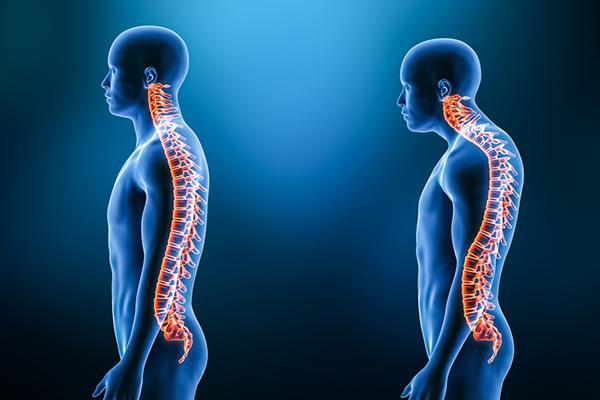
Can you prevent the hunched back of kyphosis?
Osteoporosis, age-related disc degeneration, and poor posture can cause or worsen a curved upper spine (hyperkyphosis). Maintaining bone health and strengthening the muscles responsible for good posture can help to slow the development of a curved spine.

Hand pain from arthritis? This may help
The joint connecting the thumb and wrist is crucial in everyday activities like opening jars or grasping objects, but if osteoarthritis develops, treatment options are limited and don't always work well. A new study has demonstrated the effectiveness of occupational therapy for arthritis in this joint of the hand.
Aspirin and bone health: Is there a connection?
Aspirin has many proven benefits and some research has linked its use to a lower risk for fractures after falls. Now, a more rigorous study finds a daily dose offers no added protection from serious falls and fractures compared with placebo.
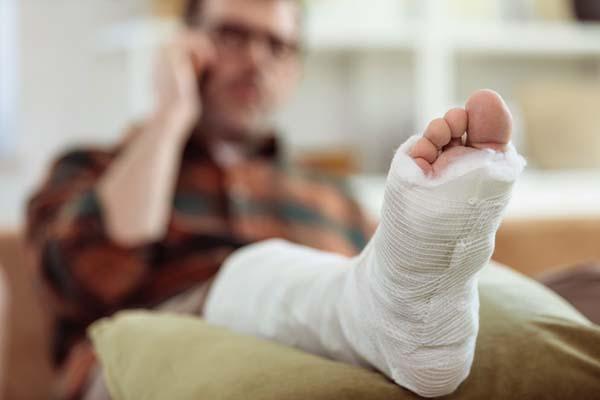
How does celiac disease weaken bones?
Inflammation resulting from celiac disease may prevent the intestine from adequately absorbing vitamin D and calcium, leaving bones fragile. Diet, supplements, and exercise can help.
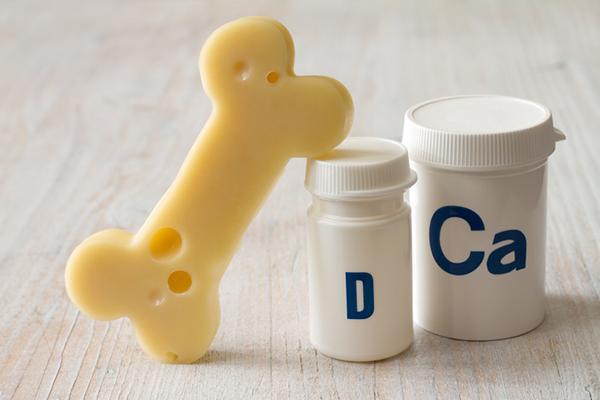
How do vitamin D and calcium work together to keep bones strong?
Calcium gets most of the credit for healthy bones, but another nutrient quietly controls how much you actually absorb. See why balance matters.

Does running cause arthritis?
It's easy to blame running when a person who runs regularly develops arthritis. But that blame may be misguided. Here's a look at the latest research on the topic.

Could stress be responsible for my costochondritis?
Pain where a rib meets your breastbone can be unsettling. Learn how doctors pinpoint this chest wall problem and which home treatments may ease it.

How to treat shoulder impingement
Shoulder impingement occurs when tendons or bursae are compressed, often causing pain when reaching overhead or behind you. It's linked to poor posture, weak rotator cuff muscles, and tight chest muscles. Strengthening, posture correction, and stretching usually relieve symptoms.
Reading the current blood pressure guidelines
Oat vs. dairy milk: Nutrition, benefits, and downsides
Microplastics: A hidden health threat?
Healing after food poisoning
What is tempeh? Benefits, nutrition, and how to use it
Light exposure at night may raise risk for heart disease
Whole grains may improve several heart risk factors at once
A lumbar belt may help ease low back pain
Children of centenarians may stay healthier and live longer too, study finds
Signs of pneumonia: Sometimes vague and unexpected
Free Healthbeat Signup
Get the latest in health news delivered to your inbox!
Sign Up
