










How does celiac disease weaken bones?
Ask the doctor
Q. I have celiac disease, which has weakened my bones. But I'm male. I thought thin bones were primarily a problem for women? And why should a disease of my intestines affect my bones? Finally, what can I do about it?
A. Celiac disease is an autoimmune disease. The immune system attacks the small intestine. It's triggered by gluten, a protein found in barley, rye, and wheat. Oats may also be a problem, but only if small amounts of the other grains get mixed with them during milling or at some other time.
Celiac disease can lead to low bone density (osteopenia or osteoporosis) or an uncommon disorder of soft bones (osteomalacia). Here's how: The immune system attack on the small intestine injures the inner lining. The result is that many important nutrients, including vitamin D, don't absorb as well. This can lead to vitamin D deficiency. You need adequate vitamin D to maintain healthy bones.
Most importantly, you need to strictly adhere to a gluten-free diet. Make an appointment with a dietitian if you need help constructing a diet.
You need to take a vitamin D supplement. Talk with your doctor about the right dose for you. Your diet should be loaded with calcium-rich foods. Also, look for drinks that are fortified with calcium, such as certain brands of orange juice.
Getting into an exercise routine that includes weight-bearing activity is a must. Jogging, walking, climbing stairs — anything that gets your bones and muscles working against gravity is weight-bearing activity.
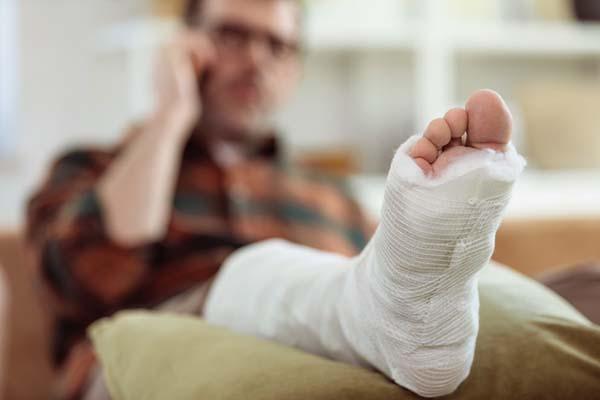
I urge you to take action sooner rather than later. Taking steps to improve your bone health can help protect you from painful and disabling fractures.
Image: © izusek/Getty Images
About the Author

Howard E. LeWine, MD, Chief Medical Editor, Harvard Health Publishing; Editorial Advisory Board Member, Harvard Health Publishing
Disclaimer:
As a service to our readers, Harvard Health Publishing provides access to our library of archived content. Please note the date of last review or update on all articles.
No content on this site, regardless of date, should ever be used as a substitute for direct medical advice from your doctor or other qualified clinician.


