

Even a little exercise linked with lower stroke risk in people with afib

Testosterone therapy without evidence of deficiency may boost heart risk

Weight-loss drug may lower risk of heart attacks and infections

What to eat on the DASH diet

Migraine: How it's diagnosed and what that means

Tricep workouts you can do at home

Mindfulness practices to reduce stress and improve focus

Antihistamines may not offer meaningful relief from eczema symptoms

Overweight and taking blood pressure medications: Study finds it's a trend that's working

FDA approves first mRNA-based flu vaccine
Osteoarthritis Archive
Articles

Boning up on osteoporosis
The disease strikes more women, but men are also at risk.
Osteoporosis is often considered a woman's disease, but men also need to be concerned about this bone-weakening condition. About 2 million men have osteoporosis and another 12 million are at high risk, according to the National Osteoporosis Foundation.
In fact, older men have a greater risk for an osteoporosis-related fracture than for getting prostate cancer, and about one in four men older than 50 will break a bone because of osteoporosis during his lifetime.

Numb fingers? Icy toes? It may be Raynauds.
Raynaud's phenomenon—an extreme reaction to cold—can be annoying, or it may signal a serious chronic condition.
Image: Bigstock
If you live in the northern latitudes, you may have already had an episode in which your fingers froze or your nose, toes, or earlobes grew cold, pale, and numb. And if you're a southerner, you might have neighbors who migrated to avoid such episodes. While some people with chilly fingers just have cold sensitivity, others—especially women—may have Raynaud's phenomenon.
What is Raynaud's?
Two forms of Raynaud's
Primary Raynaud's phenomenon, which has no known cause, is much more common in women than in men and often begins in adolescence. Although it can be annoying and even painful, it usually doesn't require medical attention.
Secondary Raynaud's phenomenon occurs later in life in people who have injuries from operating vibrating tools or who have autoimmune disorders that affect connective tissue, such as scleroderma, rheumatoid arthritis, or lupus. These conditions can damage blood vessels and change their response to cold or stress. If you develop Raynaud's later in life, you should get a medical evaluation to determine whether you have secondary Raynaud's and, possibly, another underlying condition that warrants treatment.
Living with Raynaud's

Give grip strength a hand
Your ability to grab, hold, twist , and squeeze is essential for many everyday functions.
Image: JannHuizenga/Thinkstock
Think how much you rely on a strong grip every day. It helps you open cans, grip a golf club, hold a steering wheel, brush your teeth, and pick up a grandchild. "The ability to stay active and independent often begins with our hands," says Maria Cole, a physical therapist with Harvard-affiliated Spaulding Outpatient Center. "Weak grip strength can limit your enjoyment of many life pleasures, so you need to ensure your hand and grip strength always are up to the task."
A measure of health
A grip on mobility
Grip strength also may predict your future loss of mobility. A May 2014 study in The Journal of Gerontology Series A: Biological Sciences and Medical Sciences analyzed data from more than 20,000 adults ages 65 and older to evaluate the link between weak grip strength and lack of mobility, in this case slow walking speed.
Among the men in the group, those with a weak grip—less than 26 kg using a dynamometer—were seven times more likely to be facing mobility issues compared with men who had normal grip strength.
You can take steps to improve grip strength and possibly avoid problems down the road. "You need to exercise your hands and wrists just like every other part of your body to keep them strong and supple," says Cole.
Exercise your hands


Help for your hands
A few simple exercises can preserve the strength and flexibility of your hands and wrists.
Image: Thinkstock
There's a reason that "having a good grip on the situation" is used as a metaphor for mastery. In physiological testing, grip strength is one of the indicators of health and vitality. Yet, although we may exercise to strengthen our cores and limbs, most of us don't make an effort to strengthen our forearms and our hands. "We use our hands continually, but we don't take the time to deliberately exercise them," says Joanne P. Bosch, a physical therapist and certified hand therapist at Harvard-affiliated Brigham and Women's Hospital.
That said, it's not a good idea to rush out and buy a device promoted for building a "crushing hand grip" or to start squeezing a tennis ball. "Doing the wrong exercise can actually exacerbate some problems, particularly carpal tunnel syndrome," Bosch says.

What Michelangelo’s hands (can and can’t) tell us about arthritis
A recent journal article describes Michelangelo’s hands as depicted in an attempt to figure out potential joint diseases he may have had. Theories suggest some myths and misconceptions about the causes and symptoms of osteoarthritis and gout. This report has implications for today’s medical care. While a picture may tell a story, there is nothing like a thorough, in person exam to know accurately make sense of signs and symptoms.

Joint pain...is it osteoarthritis?
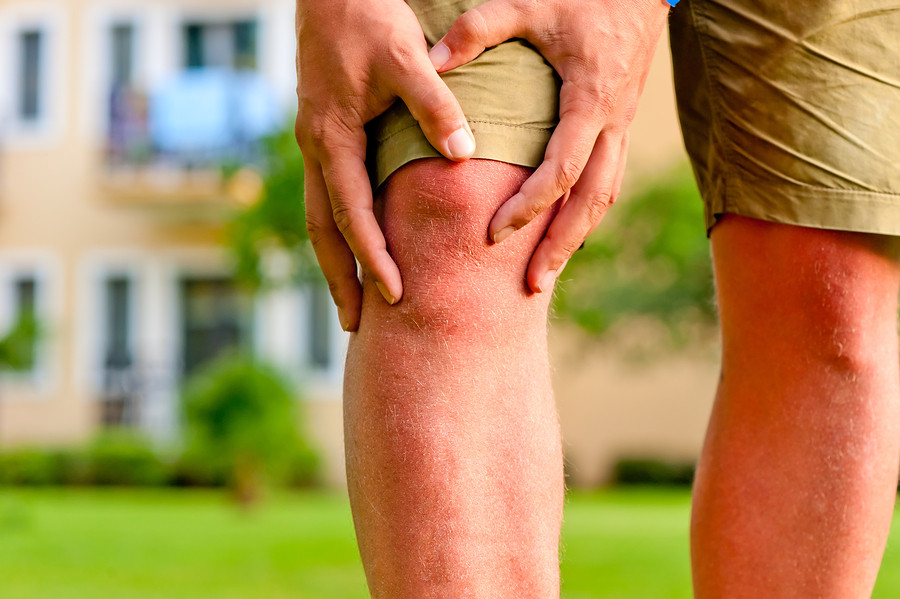
Your knee aches from time to time. Or maybe your fingers don't seem as nimble as they used to be. Could it be osteoarthritis?
Osteoarthritis, the most common form of arthritis, develops when cartilage, the flexible tissue lining the joints, deteriorates. As a result, the space between bones gradually narrows and the bone surfaces change shape. Over time, this leads to joint damage and pain.
Even a little exercise linked with lower stroke risk in people with afib
Testosterone therapy without evidence of deficiency may boost heart risk
Weight-loss drug may lower risk of heart attacks and infections
What to eat on the DASH diet
Migraine: How it's diagnosed and what that means
Tricep workouts you can do at home
Mindfulness practices to reduce stress and improve focus
Antihistamines may not offer meaningful relief from eczema symptoms
Overweight and taking blood pressure medications: Study finds it's a trend that's working
FDA approves first mRNA-based flu vaccine
Free Healthbeat Signup
Get the latest in health news delivered to your inbox!
Sign Up
