

Reading the current blood pressure guidelines

Oat vs. dairy milk: Nutrition, benefits, and downsides

Microplastics: A hidden health threat?

Healing after food poisoning

What is tempeh? Benefits, nutrition, and how to use it

Light exposure at night may raise risk for heart disease

Whole grains may improve several heart risk factors at once

A lumbar belt may help ease low back pain

Children of centenarians may stay healthier and live longer too, study finds

Signs of pneumonia: Sometimes vague and unexpected
Nerve pain (neuropathic pain) Archive
Articles
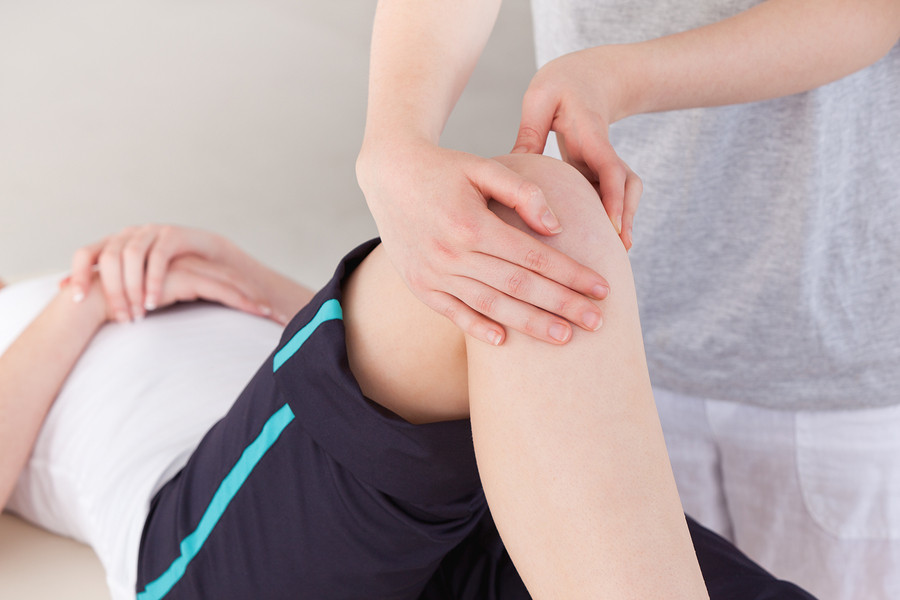
Can you put off that knee surgery?
Don't assume surgery is necessary if knee pain sidelines you. Physical therapy may be all it takes. Image: iStock |
Physical therapy and weight loss can relieve knee pain and protect your mobility.

Shoulder pain? Here's what you can do to treat it and prevent it
A few simple measures can protect your most flexible joint and put it back in service after overuse or injury.
All you need to do is rotate your arm to realize what a marvel your shoulder is. It's the body's most flexible joint and one of the most essential. Whether you're reaching the top shelf, swinging a golf club, or washing your hair, "it's the one joint you can't stop using," says Karen Weber, a physical therapist at Harvard-affiliated Spaulding Rehabilitation Network. "We do a lot of repetitive motions with our arms. When our shoulder muscles aren't strong, we can set ourselves up for injury," Weber says.

Ask the doctor: I fractured my hip three years ago, but my leg still hurts when I exercise. Should I stop exercising?
Image: Thinkstock |
Q. I'm a 78-year-old athlete and dancer. Three years ago, I broke my hip. After it was repaired I completed extensive physical therapy. Since then, I've been working out at a gym using the treadmill, stationary bicycle, and rowing machine. But I still have tremendous pain in my thigh. Should I stop exercising? It helps me control my weight and blood pressure.
A. I applaud you for persisting with your exercise. You're not only keeping your weight and blood pressure down but you're also building stronger bones to help prevent fractures in the future.

6 ways to use your mind to control pain
Meditation with guided imagery, which often involves imagining yourself in a restful environment, may reduce your need for pain medication. |
Relaxation, meditation, positive thinking, and other mind-body techniques can help reduce your need for pain medication.
Drugs are very good at getting rid of pain, but they often have unpleasant, and even serious, side effects when used for a long time. If you have backache, fibromyalgia, arthritis, or other chronic pain that interferes with your daily life, you may be looking for a way to relieve discomfort that doesn't involve drugs. Some age-old techniques—including meditation and yoga—as well as newer variations may help reduce your need for pain medication.

Ask the doctor: What does a low ankle-brachial index mean?
Q. Because I'm a former smoker and was having leg pains, my doctor recommended that I have an ankle-brachial index test. He said my score was on the low side. What does that mean?
A. The ankle-brachial index is a test that measures blood pressure at the brachial artery (in the arm, close to the heart) and the ankle (far from the heart). Normally, blood pressure in the legs is the same or a little higher than in the arm, so the ratio between the arm and ankle is 1.0 or higher. A lower ratio (less than 0.95) means blood is not moving well in the lower half of your body. You may have peripheral artery disease (PAD), which is usually caused by a buildup of fatty deposits in arteries in the legs that limits blood flow to the muscles. People with significant leg pain and cramping during exercise—the most common symptoms of PAD—usually have an ankle-brachial ratio of 0.8 or less.

Osteoarthritis relief without more pills
It's possible to ease arthritis pain and stiffness without medication, but it takes some work. |
Here are some steps you can take to reduce your reliance on medication to control symptoms and stay functional.

What triggers back pain?
There's been a lot of research on what puts men at greater risk of back problems, like being overweight or sedentary. But we know less about what exactly triggers a bout of back pain. A new study in Arthritis Care and Research helps fill that gap.
The study involved 1,000 people who went to 300 different clinics in Australia with low back pain. The researchers carefully interviewed the participants to figure out when the back pain started and possible triggers they noticed within two hours of when the pain started.

Opioid painkillers: Take the strong stuff only when you need it
It should be matched to the right pain condition and used for a limited time—then switch to safer options.
Over-the-counter pain relievers are great for ordinary aches and pains, but for severe, unrelenting pain that interferes with daily life, you may need something stronger. In such cases, men may end up taking medications called opioids, which block pain perception in the brain. The best-known opioid drugs are oxycodone (OxyContin, Percocet) and hydrocodone (Vicodin).

Acetaminophen: Minimal relief for knee arthritis pain
The pain from an arthritic knee can be intense, limiting daily activities and independence. Men can try a range of medications, but overall acetaminophen (Tylenol, other brands) appears to relieve pain only slightly better than a placebo pill, according to a research review in Annals of Internal Medicine.
The researchers pooled results from 137 randomized clinical trials involving about 33,000 people with knee arthritis and compared the relative effectiveness of the following treatments:
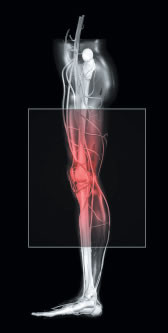
Could that leg pain be peripheral artery disease?
The pain of peripheral artery disease may be felt above or below the knee during activity, and will fade with rest. Image: Thinkstock |
The telltale sign is leg pain and fatigue that comes on with activity and goes away with rest.
Reading the current blood pressure guidelines
Oat vs. dairy milk: Nutrition, benefits, and downsides
Microplastics: A hidden health threat?
Healing after food poisoning
What is tempeh? Benefits, nutrition, and how to use it
Light exposure at night may raise risk for heart disease
Whole grains may improve several heart risk factors at once
A lumbar belt may help ease low back pain
Children of centenarians may stay healthier and live longer too, study finds
Signs of pneumonia: Sometimes vague and unexpected
Free Healthbeat Signup
Get the latest in health news delivered to your inbox!
Sign Up
