

Reading the current blood pressure guidelines

Oat vs. dairy milk: Nutrition, benefits, and downsides

Microplastics: A hidden health threat?

Healing after food poisoning

What is tempeh? Benefits, nutrition, and how to use it

Light exposure at night may raise risk for heart disease

Whole grains may improve several heart risk factors at once

A lumbar belt may help ease low back pain

Children of centenarians may stay healthier and live longer too, study finds

Signs of pneumonia: Sometimes vague and unexpected
Nerve pain (neuropathic pain) Archive
Articles

Electricity as chronic pain medicine
Several types of "electroceutical" therapies use tiny zaps of electricity to help ease chronic pain. Transcutaneous electrical nerve stimulation (TENS) therapy and electroacupuncture are designed to work by interrupting pain signals being sent to the brain. Scrambler therapy is thought to work by changing pain information sent to the brain. Good candidates for such therapies are people with arthritis, neuropathy, neck or back pain, or pain from cancer treatment. Some people should stay away from electroceuticals, including those with any kind of implanted stimulation device, such as a pacemaker or bladder stimulator.


Chest pain: Causes other than the heart
Most cases of chest pain don't signal heart problems. While chest discomfort of any kind should never be ignored, many conditions can trigger it. These include gastroesophageal reflux disease, gallstones, asthma, ulcers, anxiety, COVID, esophagus spasms, costochondritis, pulmonary embolism, pleurisy, aortic dissection, and pericarditis. Chest pain is likely to be unrelated to the heart if it's brief, triggered by eating, doesn't worsen with exercise, occurs only with movement, coughing, or breathing deeply, or it's localized to one spot.

Managing back pain
Most acute back pain happens because of weak muscles related to aging and inactivity. Symptoms usually last a few days, but pain and stiffness sometimes linger for a couple of weeks or longer. Frequent episodes can make people less active, as they are fearful about straining their back. Managing acute back pain is a two-step approach. First, treat the pain with over-the-counter remedies, cold and heat therapy, and rest, and then strengthen the back muscles and improve flexibility to prevent recurrent back pain episodes.


Winter activity workarounds for hands that hurt
Hand arthritis makes it tough to do winter activities, such as preparing holiday feasts, shoveling snow, wrapping presents, or using walking or ski poles. It helps to plan out activities, break them up when possible, take lots of breaks, use tools to make the jobs easier, and enlist help if needed. For example, consider asking family and friends to assist with holiday meal prep, or hire a service to remove snow.

Oh, my aching jaw
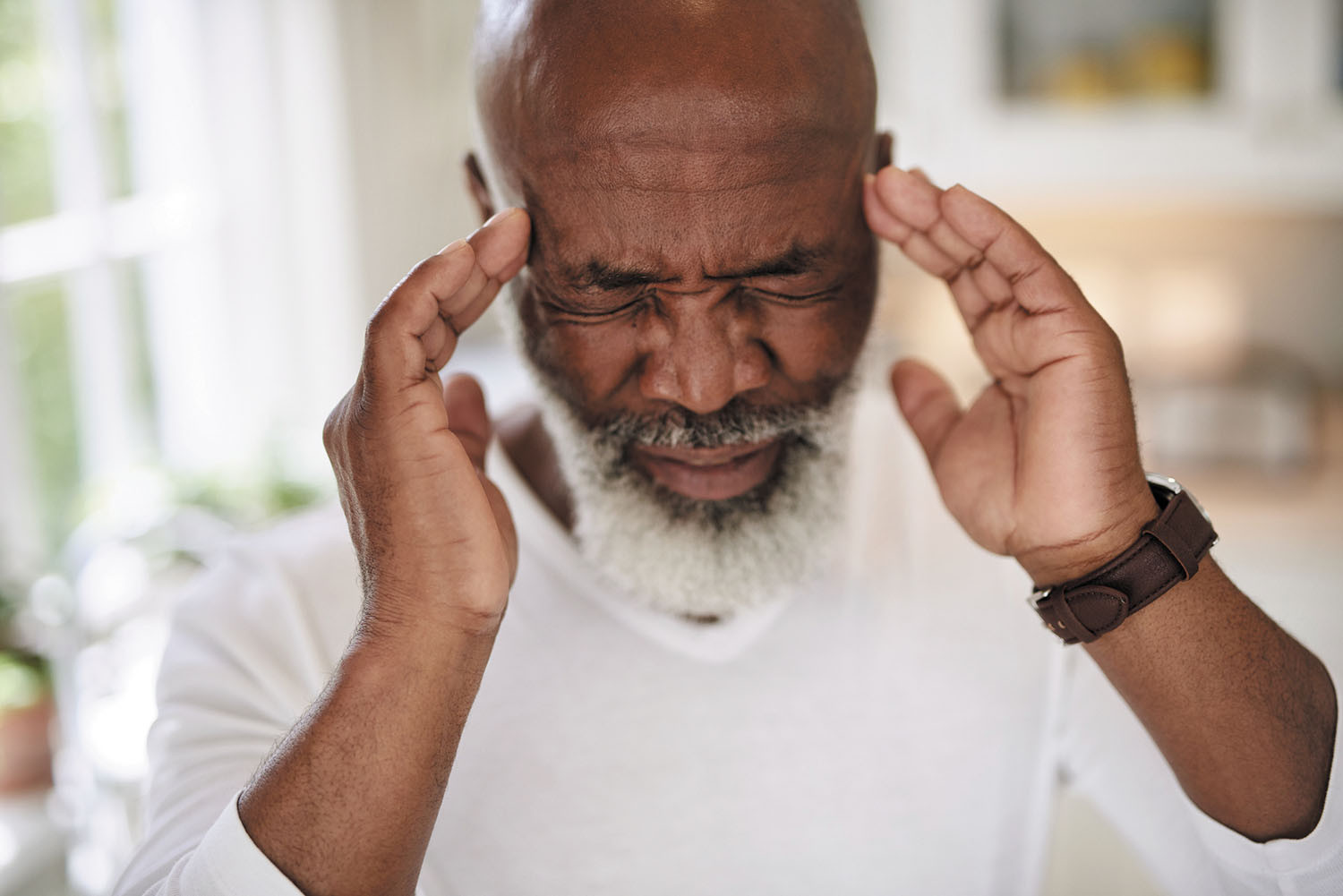
There are different underlying reasons for the types of orofacial pain commonly called temporomandibular joint problems, or TMJ. Not all of them are caused by problems with the joint itself, and specialists are getting better at diagnosing them. Orofacial pain may result from a joint problem, a muscle-based problem, a headache syndrome, or a pain processing problem.


Baby, it's cold inside
Some older adults feel cold frequently. This may result from age-related physical changes or an underlying condition. Examples of underlying conditions that might make a person feel cold include anemia, an underactive thyroid, diabetic neuropathy, peripheral artery disease, or Raynaud's phenomenon. People who experience coldness that interferes with their daily activities or sleep should talk to a doctor about it.
Reading the current blood pressure guidelines
Oat vs. dairy milk: Nutrition, benefits, and downsides
Microplastics: A hidden health threat?
Healing after food poisoning
What is tempeh? Benefits, nutrition, and how to use it
Light exposure at night may raise risk for heart disease
Whole grains may improve several heart risk factors at once
A lumbar belt may help ease low back pain
Children of centenarians may stay healthier and live longer too, study finds
Signs of pneumonia: Sometimes vague and unexpected
Free Healthbeat Signup
Get the latest in health news delivered to your inbox!
Sign Up
