
Daily cup of coffee may prevent afib recurrence

Gene-editing therapy lowers harmful blood fats in early study

What is EMDR therapy, and who can it help?

GLP-1 drugs versus bariatric surgery for treating obesity

Trying to lose weight? Be careful not to lose muscle

Two dumbbells, three exercises, and 10 minutes

Easing the emotional burden of IBS

Modify your push-ups to meet your fitness level
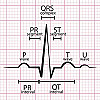
What is long QT syndrome?

Stroke survivors may benefit from very low LDL levels
Nerve disorders Archive
Articles

Fainting: Frightening, but seldom serious
Learn why fainting occurs and when you should seek medical attention.
One minute you're feeling a bit woozy; the next thing you know, you're flat on your back wondering what happened. No matter what you call it — swooning, passing out, or fainting — the experience is surprisingly common. About a third of people say they've fainted at least once.
Defined as a sudden, temporary loss of consciousness, fainting occurs when something interrupts blood flow to the brain. Doctors call it syncope, which comes from a Greek word meaning "contraction" or "cut off." Although often harmless, fainting can cause injuries and sometimes signals a problem with the heart or circulatory system.

When You Visit Your Doctor — Bell's Palsy
Bell's Palsy
Questions to Discuss with Your Doctor:
- Do you have weakness or paralysis of the muscles in your face?
- Can you still raise your eyebrows?
- Can you close your eyelids?
- Have you had ear pain? If so, on which side?
- Are your eyes watery?
- Have you noticed any change in your sense of taste?
- Have you had problems hearing?
- Have you had problems chewing?
- Over what period of time did your symptoms develop?
- Have you had a recent upper respiratory tract infection (for example, a cold)?
- Could you have had a tick bite in the recent past?
- Do you have diabetes?
Your Doctor Might Examine the Following Body Structures or Functions:
- Neurological exam focusing on the strength of the facial muscles
- Examination of the ears, nose, and throat
Your Doctor Might Order the Following Lab Tests or Studies:
- Blood tests for blood sugar and possibly Lyme disease
- Hearing test (if you report difficulty hearing)
- MRI computed tomography (CT) of the head (if your history and exam are concerning for a stroke or tumor)
Ask the doctor: Tips to reduce neuropathy pain
Q. Is there something to relieve severe neuropathy in someone's feet?
A. You are not alone: neuropathy is a remarkably common problem. Fortunately, there are several treatments that bring relief to most people who suffer with this condition. There are different types of neuropathy (more formally called polyneuropathy). I'll assume you have the most common type, called axonal neuropathy.
Daily cup of coffee may prevent afib recurrence
Gene-editing therapy lowers harmful blood fats in early study
What is EMDR therapy, and who can it help?
GLP-1 drugs versus bariatric surgery for treating obesity
Trying to lose weight? Be careful not to lose muscle
Two dumbbells, three exercises, and 10 minutes
Easing the emotional burden of IBS
Modify your push-ups to meet your fitness level
What is long QT syndrome?
Stroke survivors may benefit from very low LDL levels
Free Healthbeat Signup
Get the latest in health news delivered to your inbox!
Sign Up