

Whole grains may improve several heart risk factors at once

Light exposure at night may raise risk for heart disease

Children of centenarians may stay healthier and live longer too, study finds

A lumbar belt may help ease low back pain

Signs of pneumonia: Sometimes vague and unexpected

The surprising link between ovarian cancer and the fallopian tubes

Using a vibration plate: What it can — and can't — do for your body

People who walk more or walk faster live longer, study finds

Rosacea treatments: What works?

For sleep apnea, a dental device may be as effective as CPAP
Mobility, safety, and fall prevention Archive
Articles

What is a longevity specialist, and should I see one?
Longevity (or healthspan) specialists focus on preventing age-related disease and extending people’s healthy years, rather than waiting to treat illness once it appears. Ideally, a longevity specialist focuses on proven health fundamentals before supplements and experimental therapies.
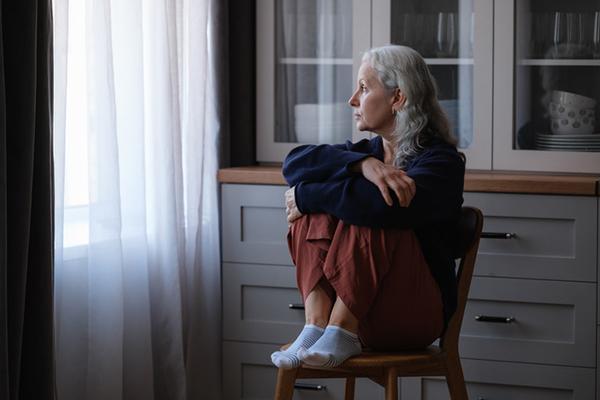
Loneliness linked to cognitive decline and early death
A 2026 study suggested that feeling lonely was consistently linked to worsening cognitive health and a shorter life among older adults, even after accounting for social isolation.

Stomachs growl, noses run, and yawning is contagious: Ever wonder why?
There are things our bodies do so often and so automatically that we barely notice them. Yawning, growling stomachs, and runny noses are good examples. Each is a universal part of our daily human experience — but did you ever wonder why?

Protect yourself from falls outside the home
Many strategies can help people avoid falls in public places. For example, people can wear shoes with nonslip treads in stores and office buildings, use a rollator for stability in crowded areas such as airports or shopping malls, hold handrails on public staircases (or avoid them), avoid parking too close to vehicles in parking lots, or use the handicap stall in public bathrooms. Another important strategy is regularly strengthening leg and core muscles and practicing balance exercises (such as standing on one leg).

Ways to maximize your energy
People’s energy levels typically decrease later in life as a result of aging, illness, or other factors. Fortunately, a healthier lifestyle can boost energy. That involves eating a diet low in added sugars and processed foods, getting seven to nine hours of sleep each night, managing stress, getting lots of aerobic exercise, and strengthening the muscles. Using physical energy frugally is another useful strategy. For example, it helps to perform activities at a slow, steady pace instead of a fast pace; to break activities into small tasks instead of one large job; and to rest between tasks.
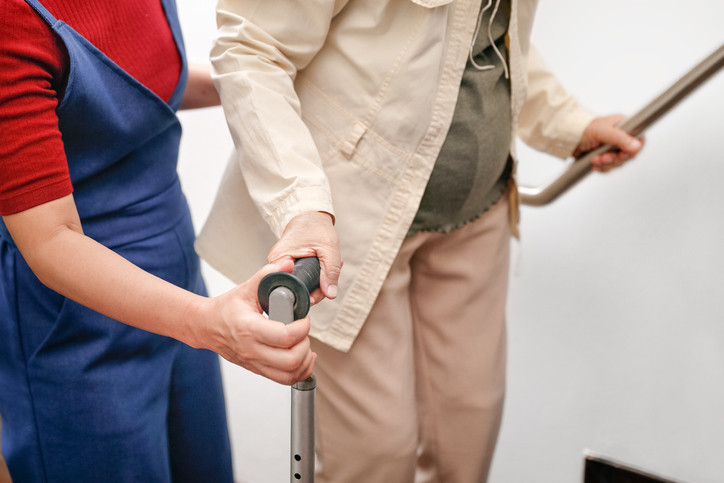
Preventing falls in older adults: Multiple strategies are better
Falls among older adults are on the rise, but most are preventable. To do this, interventions must target the multiple factors that contribute to falls, taking steps to minimize them or prevent them entirely.
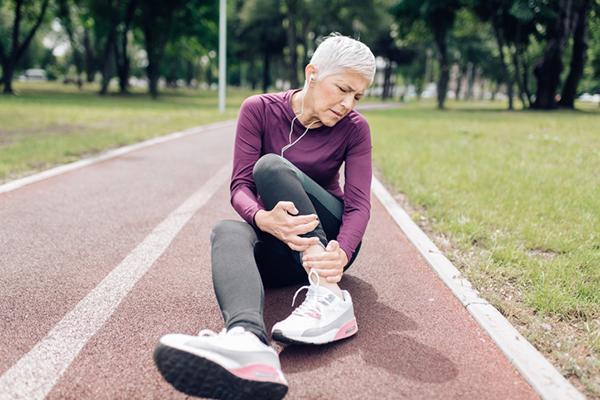
What is a high ankle sprain?
A high ankle sprain is a type of injury to the lower leg. It commonly occurs when there is a sudden twisting movement of the foot away from the body that tears the ligaments attached to the lower leg bones, above the ankle joint.
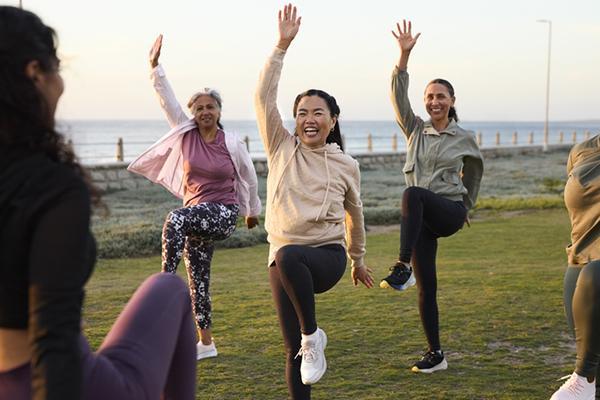
What exercises can help improve balance and prevent falls?
Targeted strength exercises, simple one‑leg stands, and practices like tai chi can improve balance and stability so walking feels steadier.
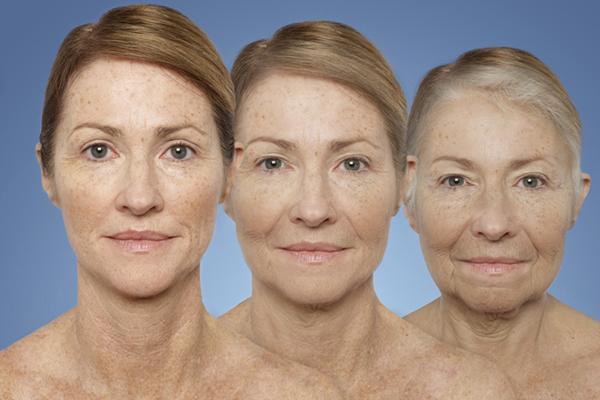
What factors speed up aging?
A variety of disparate factors can speed up people’s biological aging, which describes how well their body functions (in comparison to chronological aging). Drivers of aging include ultraviolet light, stress, smoking, obesity, radiation, and loneliness and social isolation.

When should you hire in-home help or health aides?
Most people want to live at home for as long as possible as they age, and managing this successfully may mean hiring outside help. Considering this step raises many questions, and answering them honestly will help guide decisions about when and how to proceed.
Whole grains may improve several heart risk factors at once
Light exposure at night may raise risk for heart disease
Children of centenarians may stay healthier and live longer too, study finds
A lumbar belt may help ease low back pain
Signs of pneumonia: Sometimes vague and unexpected
The surprising link between ovarian cancer and the fallopian tubes
Using a vibration plate: What it can — and can't — do for your body
People who walk more or walk faster live longer, study finds
Rosacea treatments: What works?
For sleep apnea, a dental device may be as effective as CPAP
Free Healthbeat Signup
Get the latest in health news delivered to your inbox!
Sign Up
