

Even a little exercise linked with lower stroke risk in people with afib

Testosterone therapy without evidence of deficiency may boost heart risk

Weight-loss drug may lower risk of heart attacks and infections

What to eat on the DASH diet

Migraine: How it's diagnosed and what that means

Tricep workouts you can do at home

Mindfulness practices to reduce stress and improve focus

Antihistamines may not offer meaningful relief from eczema symptoms

Overweight and taking blood pressure medications: Study finds it's a trend that's working

FDA approves first mRNA-based flu vaccine
Medical devices Archive
Articles

Is my blood pressure too low?
Ask the doctors
Q. The July 2017 issue of Harvard Women's Health Watch spoke about the potential problems related to low blood pressure when taking blood pressure medication. My readings meet the definition of low blood pressure outlined in the article, but I don't take any medication. Should I be concerned, and if so, what should I do to raise my blood pressure?
A. In general, blood pressure is deemed too low only if it causes symptoms. A normal blood pressure is defined as a reading below 120/80 millimeters of mercury (mm Hg), and some experts consider your blood pressure low only if it dips below 90/60 mm Hg. However, a low reading can be normal for some people. Your doctor probably won't be too concerned about it unless it occurs suddenly; you have an underlying health condition that could cause low blood pressure, such as heart failure; or you are experiencing symptoms such as dizziness, lightheadedness, fainting, fatigue, or nausea. Some medications, such as diuretics (water pills), some antidepressants, and beta blockers, among others, can also cause low blood pressure. But since you aren't taking any medication, this is not an issue. If you are having symptoms related to your low blood pressure, this is something you definitely want to mention to your doctor. But if you've always had low blood pressure and you're not experiencing any problems, it's likely that this is normal for your body.
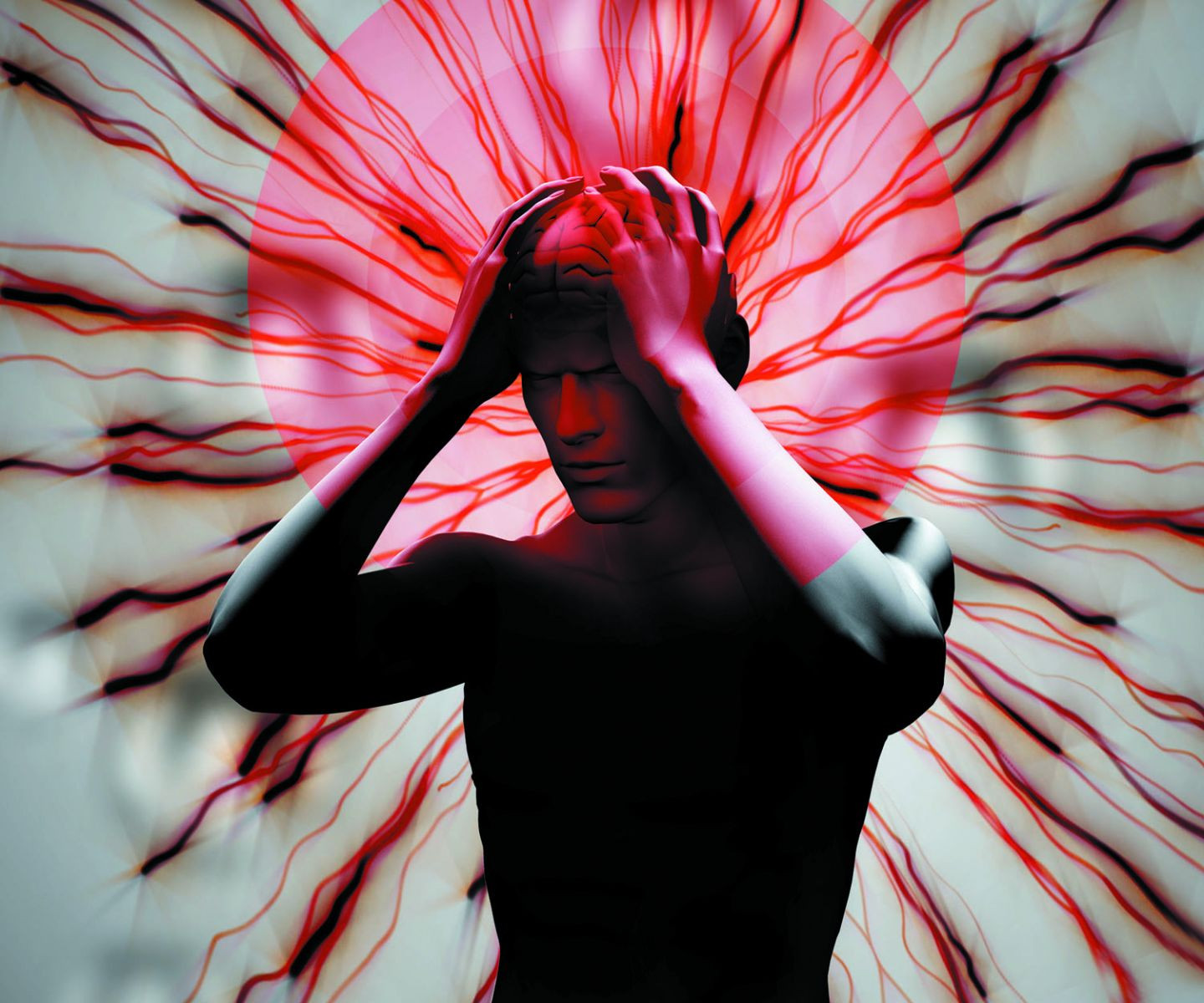
Quick-start guide to headaches
Pain from migraines, cluster headaches, and other types of headaches require very different treatments.
Image: © Wavebreakmedia Ltd/Thinkstock
Pain around the eye and throbbing on one side of the head — they're common headache symptoms, but what do they mean? "Many times people assume a headache is due to sinusitis, and they put up with it for years," says Dr. John Pettinato, a neurologist with Harvard-affiliated Beth Israel Deaconess Medical Center.
Understanding your pain can help you find the best approach to treatment.

Should you take an antiviral drug when you get the flu?
One antiviral medication has drawn criticism, but it's still a treatment option.
Image: © kowalska-art/Thinkstock
Bad case of the flu? Antiviral medications, such as oseltamivir (Tamiflu) or zanamivir (Relenza), may reduce symptoms and help you recover from the flu a day or two earlier. But oseltamivir came under fire a few months ago for a lack of effectiveness.
In June, the World Health Organization (WHO) removed oseltamivir from its list of essential medicines. "Their decision was based on the relatively low effectiveness of oseltamivir in clinical trials and clinical practice. I suspect this is due to a significant number of people who started therapy after their flu symptoms had been going on for more than two days," says Dr. Paul Sax, an infectious disease specialist and Harvard Medical School professor.

Taking a look at the latest trends in heart rhythm monitoring
Bulky recorders with lots of wires are being replaced by small patches and implanted devices.
An abnormal heart rhythm — when your heartbeat is too fast, too slow, or irregular — can be tricky to detect and diagnose. These electrical misfires are often short-lived and sporadic, so they're rarely seen on a routine electrocardiogram (ECG), a 10-second recording of the heart's electrical activity.
Many heart rhythm changes are harmless, but some cause fainting or other worrisome problems — including stroke. That's why doctors often rely on portable ECG devices that record your heart rhythm for several days — or even up to a month. But they're a bit of a nuisance because of the many wires, and you must remove and replace the electrodes when you shower or bathe.
Healthy lifestyle habits linked to lower drug costs
Research we're watching
People with cardiovascular disease who exercise regularly, don't smoke, and manage other risk factors spend far less money on medications than people who don't take such steps, a new study finds.
The study included 4,248 people ages 40 and older with clogged arteries (atherosclerosis), the most common form of cardiovascular disease. Researchers also relied on the Medical Expenditure Panel Survey, a national snapshot of health care expenses based on a survey of nearly 76,000 Americans.

Don’t fear pacemakers
Today's versions can correct many types of heart conditions that can keep you active and help you live longer.
Image: © cacaroot/Thinkstock
Think of a pacemaker, and perhaps the image of a frail person stuck on the couch comes to mind. If so, you need to update your mindset. For many men, these tiny electronic devices can change their lives for the better.
"The likelihood of needing a pacemaker increases with age," says Dr. Peter Zimetbaum, a cardiologist with Harvard-affiliated Beth Israel Deaconess Medical Center. "The good news is that today's pacemakers have evolved from fixing irregular heartbeats to helping the heart mimic normal function, all of which can help many men with certain heart conditions stay more active longer."
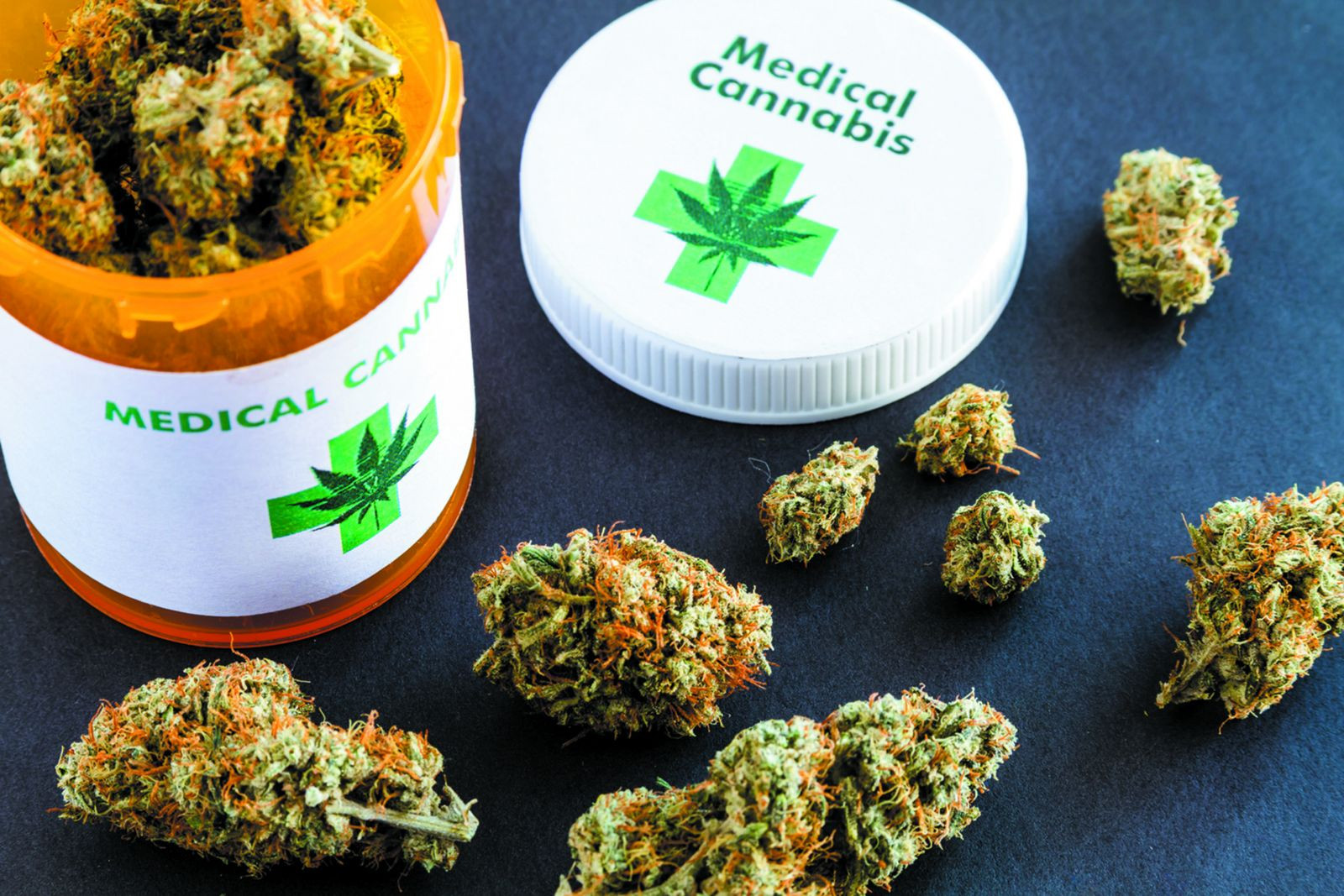
Medical marijuana: Know the facts
While the drug therapy is becoming more widely available, the science is still not clear on how it may help.
Image: © tvirbickis/Thinkstock
Medical marijuana has been approved in 28 states and the District of Columbia, but researchers are still trying to connect the dots as to how, and if, it works.
"Unfortunately, there are almost no uses of medical marijuana that have been subjected to the kind of rigorous testing you'd want for a pharmaceutical," says Dr. Kenneth Mukamal, associate professor of medicine at Harvard-affiliated Beth Israel Deaconess Medical Center. "This does not mean that it has no benefits, but only that the lack of human studies prevents us from being sure if medical marijuana can really help."
Sound amplification device may be a cheaper hearing aid choice
In the journals
Hearing aids can cost thousands of dollars, but a study in the July 4, 2017, Journal of the American Medical Association found that less expensive over-the-counter personal sound amplification products (PSAPs) might be a good alternative for some people.
PSAPs resemble hearing aids and help amplify sounds the same way, but are not regulated by the FDA and thus cannot be marketed as a correction or treatment for hearing loss. They often are advertised as being helpful in noisy places like crowds and meetings, and are sold online for about $200 to $400.
Opioid misuse rising among older adults
Research we're watching
A growing number of older adults are misusing opioids, according to a new report by the Substance Abuse and Mental Health Services Administration of the U.S. Department of Health and Human Services. The 2014 National Survey on Drug Use and Health showed that the percentage of adults ages 50 and older using heroin or misusing prescription opioids jumped from 1.1% to 2% between 2002 and 2014. In contrast, opioid use in adults ages 18 to 25 dropped from 11.5% to 8.1% over the same period.
Drug use can bring particular risks to the health and well-being of older adults because they are more likely than younger people to have other illnesses and often take medications that can interact with opioids, according Center for Substance Abuse Treatment. "These findings highlight the need for prevention programs for all ages as well as to establish improved evidence-based treatment, screening, and appropriate referral services," Dr. Kimberly Johnson, director for the Center for Substance Abuse Treatment, said in a written statement.

An aspirin a day for your health?
A daily low-dose aspirin may help prevent stroke and certain cancers, but the therapy carries certain risks you'll want to discuss with your physician.
It used to be that you would reach for an aspirin only if you had a headache or an achy joint, but current research shows that low doses of the drug may reduce your risk of stroke and even help prevent colorectal cancer.
So, does this mean you should head to the pharmacy, grab a bottle, and pop a tablet every morning to ward off disease? The short answer is, maybe — but only after you have a detailed conversation with your doctor about the potential benefits and risks. A low-dose aspirin regimen is certainly not appropriate for every woman.
Even a little exercise linked with lower stroke risk in people with afib
Testosterone therapy without evidence of deficiency may boost heart risk
Weight-loss drug may lower risk of heart attacks and infections
What to eat on the DASH diet
Migraine: How it's diagnosed and what that means
Tricep workouts you can do at home
Mindfulness practices to reduce stress and improve focus
Antihistamines may not offer meaningful relief from eczema symptoms
Overweight and taking blood pressure medications: Study finds it's a trend that's working
FDA approves first mRNA-based flu vaccine
Free Healthbeat Signup
Get the latest in health news delivered to your inbox!
Sign Up
