

Medical devices Archive

Articles

Is your medication making you lightheaded?

Many medications can cause lightheadedness, such as drugs to treat depression, high blood pressure, or bladder problems. It’s important to learn about a medication’s potential side effects and be on high alert if lightheadedness is a possibility. A person can jot down the day and time a drug is taken as well as any side effects that follow; those details can help a doctor determine if changes in medicines are required. Someone who continues to feel lightheaded after about a week should report it to the doctor.

Drug therapy needs time to treat heart-related chest pain

Chest pain with exertion affects about one-quarter of people with stable coronary artery disease. A 2021 study found that these individuals can often eliminate their symptoms by following conservative drug therapy, without needing a stent or bypass surgery.

Some blood pressure drugs are linked with better memory

A 2021 analysis found that adults ages 50 and older who took an ACE inhibitor such as lisinopril or an ARB like candesartan that crosses the blood-brain barrier scored higher on memory recall tests after three years on the medication, when compared with those who took a different drug in the same class that doesn’t cross over.

Experimental wireless pacemaker dissolves when no longer needed

A wireless, battery-free device that naturally absorbs into the body within two months may one day be a safer alternative to temporary pacemakers.

Aspirin and bruising

Taking low-dose aspirin may increase bruising and minor bleeding from small cuts. Minor bleeding does not necessarily indicate a greater likelihood of experiencing major bleeding.

Do statins increase the risk of dementia?

A study published June 29, 2021, by the Journal of the American College of Cardiology (JACC) found no link between statin use and a higher incidence of dementia in adults ages 65 and older, but other studies have described possible cognitive changes related to statin use. Experts say that the benefits of taking a statin for people who have risk factors for cardiovascular disease generally far outweigh the risks. Statin use can reduce the risk of a heart attack or stroke by 25% to 30%.

Stuck in a brain fog? Look in your medicine cabinet

Older adults may assume bouts of forgetfulness or "brain fog" are a natural part of aging. But one possible explanation is that the problem is a side effect from common medications, in particular sleep aids and pain killers. Older adults who have recently begun taking a new medication or increased their dosage should monitor their memory problems and then share the information with their doctor to see if adjustments should be made to their medication regimen.

Looking past blood pressure numbers

For decades, blood pressure treatment was dictated by a person’s numbers, with a blood pressure less than 140/90 millimeters of mercury (mm Hg) considered normal. But evidence has proved this to be an inadequate goal. Research now suggests an individualized approach to managing blood pressure that considers other heart health risks, lifestyle habits, and family history may be a better way to ward off heart attacks and strokes.

Better blood sugar tracking: A benefit for heart health?
A continuous glucose monitor (CGM)—a small device placed on the arm or belly that measures blood sugar every few minutes—may help people with diabetes recognize the eating and exercise habits that hinder (or help) them control their blood sugar. CGM readouts, which are displayed on a smartphone or portable monitor, show your blood sugar values, trends, and the percentage of time that your blood sugar is in a "good control" range. Medicare covers CGMs for people who inject insulin at least three times a day or use an insulin pump to control their blood sugar.

Stroke prevention in atrial fibrillation: Beyond anti-clotting drugs

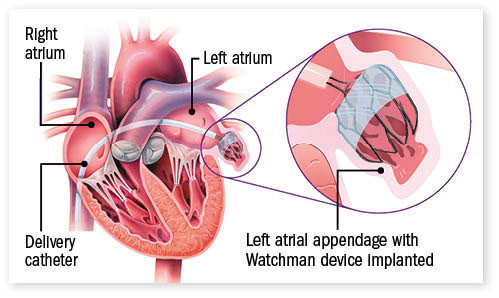
People with atrial fibrillation who develop or face a high risk of serious bleeding from anti-clotting drugs may be candidates for procedures that block or remove a part of the heart where dangerous blood clots form. About 90% of blood clots in the heart form in the left atrial appendage (LAA), a small pouch that protrudes from the top of the heart. Two procedures prevent clots from escaping from the LAA and causing a stroke. One delivers a device that blocks the opening of the LAA; the other removes most of the LAA during heart surgery done for another reason.

Free Healthbeat Signup

Get the latest in health news delivered to your inbox!

Sign Up
Harvard Health Publishing Logo

Thanks for visiting. Don't miss your FREE 32-page gift worth $29.95.

PLUS, don’t miss out on your 25% off promo code.

Sign up to get tips for living a healthy lifestyle—You’ll discover powerful, research- backed strategies for health longevity drawn from Harvard Medical School experts—ways to eat for a longer life, build strength and flexibility to stay independent, protect your bones, heart, and brain as you age, and even cultivate the habits linked with “super-agers” who stay sharp and active well into their 80s and 90s—all delivered to your email box FREE.

Harvard Health Publishing Logo

Stay on top of latest health news from Harvard Medical School.

Plus, get a FREE copy of Living Longer, Living Well!.

Harvard Health Publishing Logo

Stay on top of latest health news from Harvard Medical School.

Plus, get a FREE copy of Living Longer, Living Well.








