

Even a little exercise linked with lower stroke risk in people with afib

Testosterone therapy without evidence of deficiency may boost heart risk

Weight-loss drug may lower risk of heart attacks and infections

What to eat on the DASH diet

Migraine: How it's diagnosed and what that means

Tricep workouts you can do at home

Mindfulness practices to reduce stress and improve focus

Antihistamines may not offer meaningful relief from eczema symptoms

Overweight and taking blood pressure medications: Study finds it's a trend that's working

FDA approves first mRNA-based flu vaccine
Medical devices Archive
Articles

Can medication help us combat Alzheimer’s disease?
Aducanumab is a newly approved drug for Alzheimer’s disease with the potential to reduce amyloid-beta plaque buildup in the brain. There are other medications being studied to see if they can reduce amyloid-beta, such as a monoclonal antibody that targets amyloid-beta before it forms plaques, and a monoclonal antibody that takes aim at plaque that has already formed. Other experimental approaches try to prevent tau tangles in brain cells, reduce brain inflammation, or reduce the amount of amyloid-beta that is produced.

Poverty, homelessness, and social stigma make addiction more deadly
Addiction can affect anyone, but social determinants of health — the factors that influence a person's circumstances in life — can have a negative impact on a person's efforts to overcome addiction. Poverty, employment status, education level, and systemic racism can make it harder for people to reach and maintain recovery.

Cardiovascular safety from prostate cancer drugs remains uncertain
Worldwide, over one million men are diagnosed with prostate cancer every year, and half will be given androgen deprivation therapy at some point. Whether certain types of this therapy are safer for the heart than others is an important question that is being studied, but the results from the first such trial were inconclusive and disappointing.

A new treatment for obesity
A new medication for the treatment of obesity has been approved by the FDA, and it received significant media attention in the months leading up to its approval. A high-dose injectable hormone, it already existed in a different form as a treatment for type 2 diabetes, but in this form and dosage it has advantages over other available weight-loss medications, as well as its own potential risks.

Statins have no apparent link to cognitive problems or dementia

What could be causing my hand to shake?
Essential tremor causes involuntary shaking, most often in the hands, head and voice. It may be an inherited condition and is different from another well-known tremor disorder called Parkinson's disease. There is no cure, but symptoms can be managed through medication and lifestyle changes.
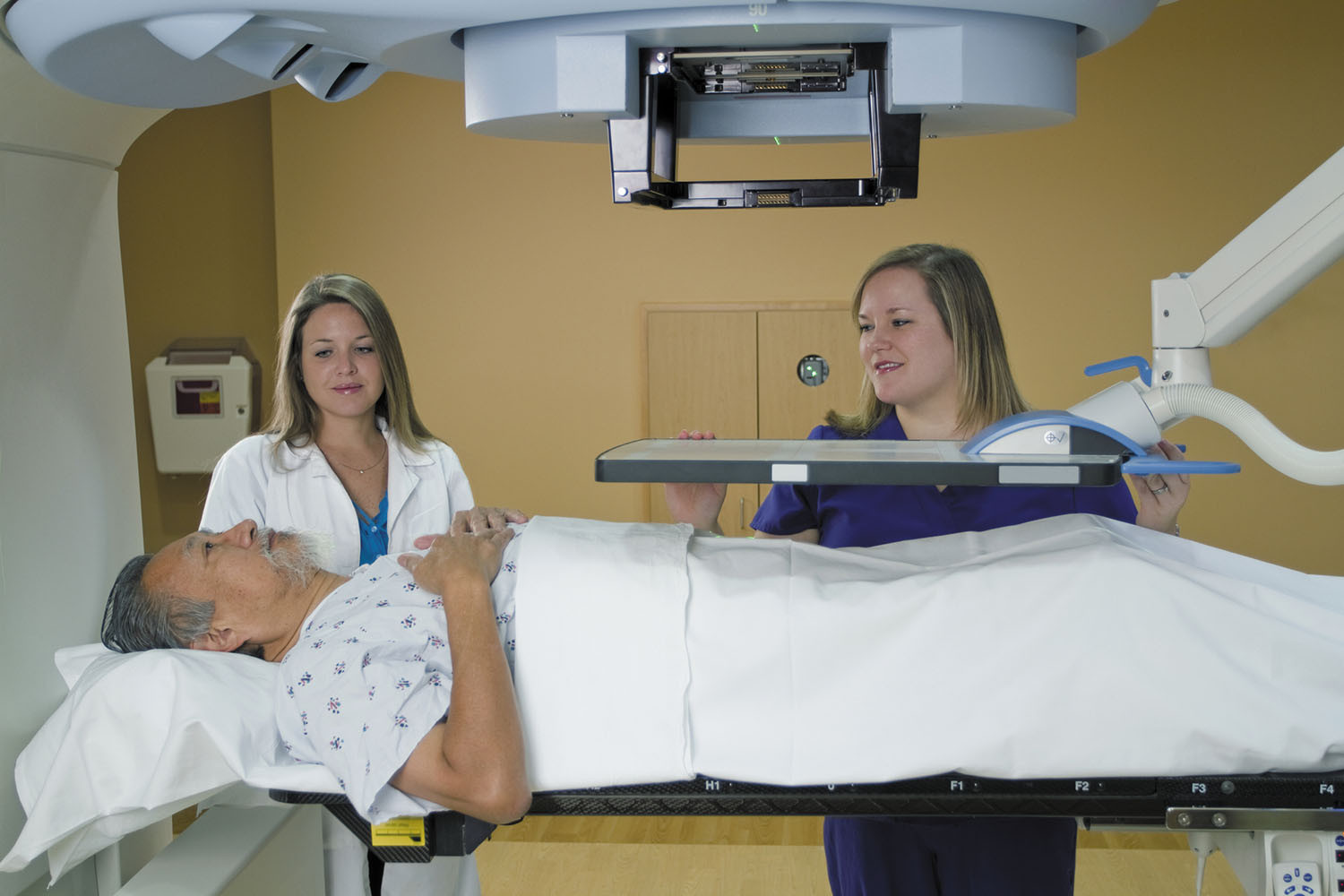
Who needs hormone therapy for prostate cancer?

Wearable devices may encourage enough exercise to prevent afib

5 tips to help you age well

Even a little exercise linked with lower stroke risk in people with afib
Testosterone therapy without evidence of deficiency may boost heart risk
Weight-loss drug may lower risk of heart attacks and infections
What to eat on the DASH diet
Migraine: How it's diagnosed and what that means
Tricep workouts you can do at home
Mindfulness practices to reduce stress and improve focus
Antihistamines may not offer meaningful relief from eczema symptoms
Overweight and taking blood pressure medications: Study finds it's a trend that's working
FDA approves first mRNA-based flu vaccine
Free Healthbeat Signup
Get the latest in health news delivered to your inbox!
Sign Up
