

Even a little exercise linked with lower stroke risk in people with afib

Testosterone therapy without evidence of deficiency may boost heart risk

Weight-loss drug may lower risk of heart attacks and infections

What to eat on the DASH diet

Migraine: How it's diagnosed and what that means

Tricep workouts you can do at home

Mindfulness practices to reduce stress and improve focus

Antihistamines may not offer meaningful relief from eczema symptoms

Overweight and taking blood pressure medications: Study finds it's a trend that's working

FDA approves first mRNA-based flu vaccine
Medical devices Archive
Articles

Easier ways to take non-pill medications
Some medications, such as eye drops or inhalers, can be used with gadgets that make taking them easier. The devices might be especially helpful for someone with shaky or weak hands. Examples of gadgets that might help include eye drop guides, injection aids, inhaler spacers, and tube squeezers. The guides can help improve one’s grip, aim, or ability to squeeze out medication. Having better control may help a person take the correct amount of the drug.

Gene editing: A one-time fix for dangerously high cholesterol?
A gene editing technique that permanently shuts down a cholesterol-raising protein called PCSK9 is being tested in heart attack survivors with an inherited form of high cholesterol. The one-time infusion contains tiny particles that contain the editing tools, which travel through the blood to the liver and changes the cells that produce the protein. If early data show the treatment to be safe and effective, the therapy potentially could be used in people who have "garden variety" high cholesterol.

Drug recalls are common
In the last 10 years, an average of four drug recalls a day have occurred in the US. Drug recalls happen for a number of different reasons, and while they are common, most are not for dangerous or life-threatening issues.

Heart failure: Reduced vs. preserved pumping
In about half of all cases of heart failure, the heart’s muscles are thin and weak, so the heart can’t pump very well. In the other cases, the muscles are thick and stiff, which prevents the heart from relaxing normally to fill with blood.

Simple home medical gadgets to protect your health
The modernization of standard home medical devices has made monitoring health easier than ever. These gadgets include thermometers, scales, blood pressure monitors, and pulse oximeters. Gadget features that are especially helpful for older adults are easy operation and large, lighted readouts. It’s important that some home medical devices, such as blood pressure monitors and pulse oximeters, have a seal of approval from an accredited agency, such as the FDA for pulse oximeters or the Association for the Advancement of Medical Instrumentation for blood pressure monitors.

The trouble with new drugs
After a drug is approved by the FDA, unexpected safety problems may be discovered. Depending on the level of concern, different safety warnings may be issued –– including a black box warning designed to call attention to serious or life-threatening side effects.
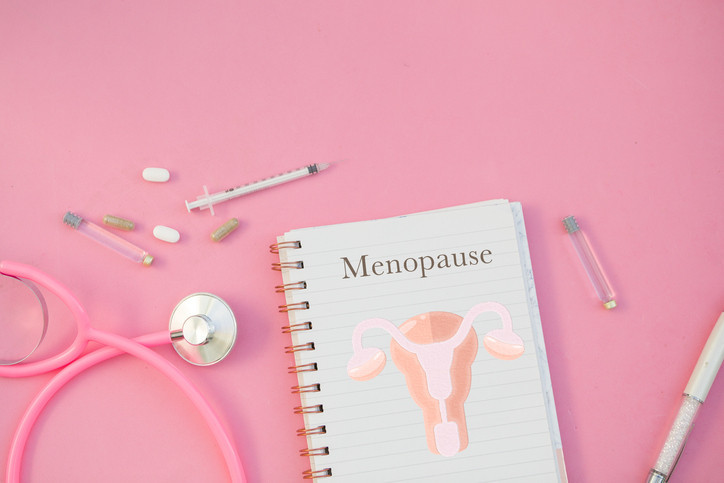
National task force updates recommendations on hormone therapy after menopause
Updated national guidelines on hormone therapy after menopause recommend that women use it only for relief of menopause-related symptoms, not to prevent chronic conditions that become likelier with age.

Over-the-counter hearing aids: What we know so far
Over-the-counter hearing aids are now available in stores and online. They're regulated by the FDA, they don't require a prescription from a doctor, and they're cheaper than prescription hearing aids. But over-the-counter devices are not right for everyone. They're meant only for adults with perceived mild to moderate hearing loss. Before buying a pair, a person should do some homework to find devices with the right fit and features, including a trial period that allows the buyer to return them if they aren't working out.

Most Americans need a large or extra-large blood pressure cuff
A majority of people in the United States need a large or extra-large blood pressure cuff. To ensure an accurate reading, people should check their arm circumference to make sure they're using the correct cuff size.

Stopping unneeded aspirin may prevent dangerous bleeding
Some people who take the anti-clotting drug warfarin (Coumadin) may not need to take low-dose aspirin. Stopping unneeded aspirin use may prevent dangerous bleeding.
Even a little exercise linked with lower stroke risk in people with afib
Testosterone therapy without evidence of deficiency may boost heart risk
Weight-loss drug may lower risk of heart attacks and infections
What to eat on the DASH diet
Migraine: How it's diagnosed and what that means
Tricep workouts you can do at home
Mindfulness practices to reduce stress and improve focus
Antihistamines may not offer meaningful relief from eczema symptoms
Overweight and taking blood pressure medications: Study finds it's a trend that's working
FDA approves first mRNA-based flu vaccine
Free Healthbeat Signup
Get the latest in health news delivered to your inbox!
Sign Up
