

Even a little exercise linked with lower stroke risk in people with afib

Testosterone therapy without evidence of deficiency may boost heart risk

Weight-loss drug may lower risk of heart attacks and infections

What to eat on the DASH diet

Migraine: How it's diagnosed and what that means

Tricep workouts you can do at home

Mindfulness practices to reduce stress and improve focus

Antihistamines may not offer meaningful relief from eczema symptoms

Overweight and taking blood pressure medications: Study finds it's a trend that's working

FDA approves first mRNA-based flu vaccine
Medical devices Archive
Articles

Tips for getting used to over-the-counter hearing aids
For people who buy over-the-counter hearing aids, getting the devices is only a first step toward better hearing. It takes time to learn how to use, wear, and adjust the hearing aids, especially during the first two weeks. Tips to ease through this adjustment period include wearing devices at home for at least a few hours per day, and longer if possible; allowing soft sounds to be louder than normal at first; and learning to switch device settings for changes in environmental noise, such as going from a quiet street into a noisy restaurant.

Can a smart watch diagnose a heart attack?
ECG readings taken with a smart watch may be just as accurate as a traditional ECG done in a medical setting. But the notion of using a smart watch to diagnose a heart attack is still years away. One main reason: obtaining an ECG with a smart watch requires carefully holding the back of the watch on the wrist and at eight specific locations on the chest and abdomen. Quality control and regulatory issues are other important hurdles that need to be addressed. But experts believe improved smart watches with enhanced diagnostic ability may be on the market within a decade.

When you take these popular pain relievers, proceed with caution
Over-the-counter and prescription drugs known as NSAIDs pose a risk to the cardiovascular system. They include over-the-counter drugs such as ibuprofen (Motrin, Advil) and prescription drugs such as celecoxib (Celebrex). NSAIDs can cause the kidneys to hold on to salt and water, which tends to raise blood pressure. They also appear to affect the inner linings of blood vessels and alter other blood substances in a manner that promotes blood clots. People who need these pain-relieving medications should take the smallest dose for the shortest possible period of time.
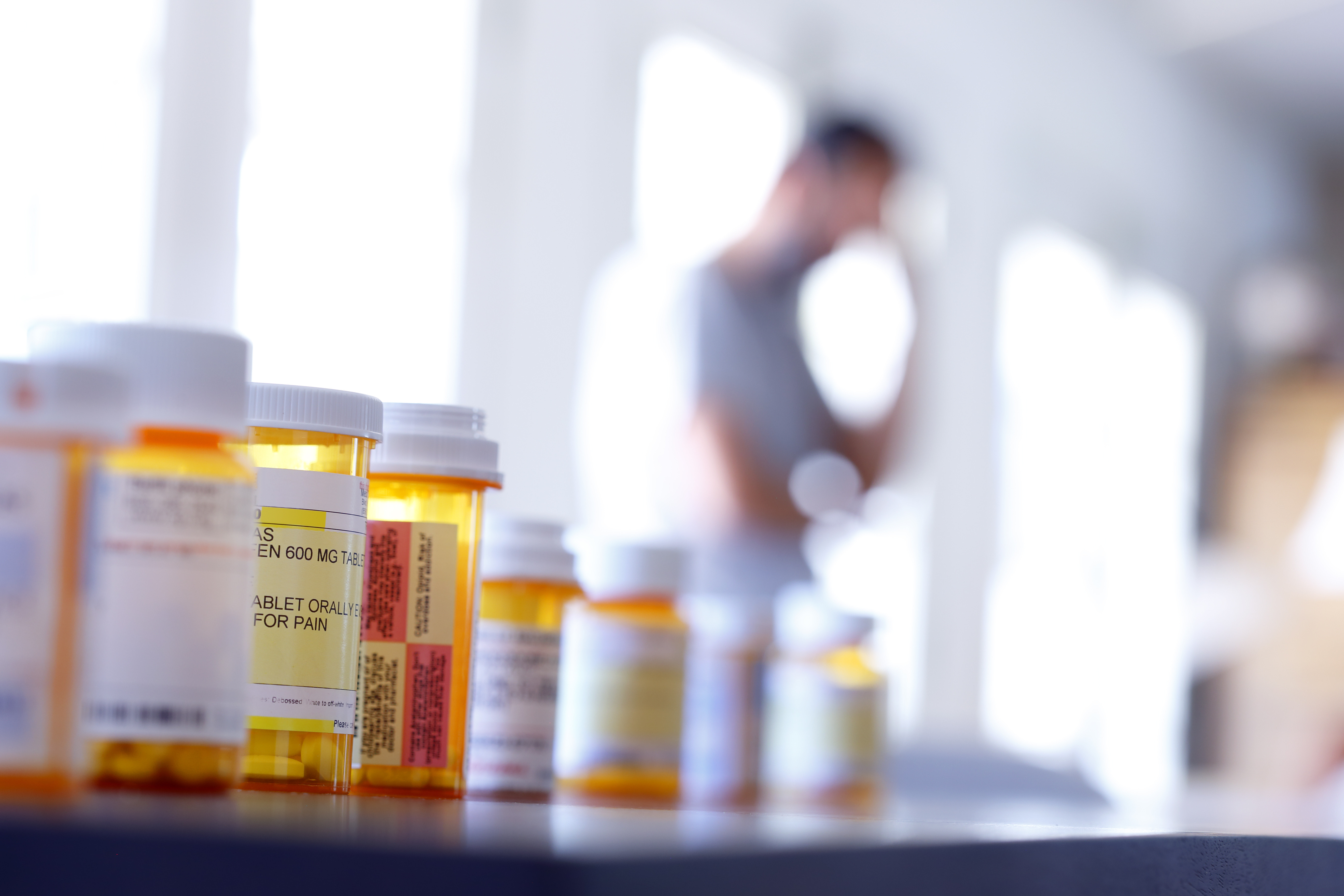
Tramadol: Uses, side effects, and risks
Tramadol is a painkiller used to relieve moderate to severe pain. Learn more about this medication and if it might be right for you.

Harvard Health Ad Watch: An IV treatment for thyroid eye disease
An ad for a medication to treat thyroid eye disease accurately describes the symptoms of the condition, but as is common with such ads it does not discuss other possible treatment options, or other information that people should be aware of.

A device to prevent strokes in afib
The Watchman, a tiny, basket-like device placed in the heart's left atrial appendage, is designed to prevent blood clots traveling from the heart to the brain and causing stroke. People with atrial fibrillation who face a high risk of bleeding from anti-clotting drugs may be good candidates for the device.

All about your heart rate
Maximum heart rate refers to the upper limit of what a person's cardiovascular system can handle during exercise. It can be estimated by subtracting the person's age from 220. Target heart rates (which range from 64% to 93% of the maximum) can help people know if they are doing moderate or vigorous exercise. Physical activity guidelines recommend that people get at least 150 minutes of moderate-intensity exercise or 75 minutes of vigorous-intensity exercise, or a combination of both, per week.

Do you need testosterone therapy?
Advertisements and celebrity endorsements claim that by raising testosterone levels with testosterone replacement therapy (TRT), men can boost their sex drive and feel more robust. While TRT can help improve some physical, sexual, and mental health symptoms associated with low testosterone levels, it may not work for everyone, and despite the miracle claims, TRT cannot make older men feel 30 years younger.

Why is my heart rate high?
Many factors can increase heart rate from the normal pace of 60 to 100 beats per minute. Lifestyle choices and certain medications can raise heart rate, as can serious conditions. When an elevated heart rate is joined by urgent symptoms, seek immediate care.

Preparing your feet for summer
Summertime activities often trigger foot pain from overuse or the lack of support in shoes. To prepare feet for summer, it helps to get shoes or sandals with good support and seek physical therapy to strengthen foot muscles. People who expect to be walking on a beach barefoot can give their feet a little practice and time to adapt by wearing slightly less supportive shoes at home, and then shoes with even less support. It's also a good idea to learn about ways to relieve foot pain if it strikes, such as foot baths, topical medications, and foot massage.
Even a little exercise linked with lower stroke risk in people with afib
Testosterone therapy without evidence of deficiency may boost heart risk
Weight-loss drug may lower risk of heart attacks and infections
What to eat on the DASH diet
Migraine: How it's diagnosed and what that means
Tricep workouts you can do at home
Mindfulness practices to reduce stress and improve focus
Antihistamines may not offer meaningful relief from eczema symptoms
Overweight and taking blood pressure medications: Study finds it's a trend that's working
FDA approves first mRNA-based flu vaccine
Free Healthbeat Signup
Get the latest in health news delivered to your inbox!
Sign Up
