
Trying to lose weight? Be careful not to lose muscle
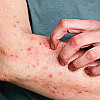
Is your skin problem actually an autoimmune condition?
People with diabetes face higher risk of hearing loss
Antibiotic-free fixes for recurrent UTIs

Musculoskeletal syndrome of menopause: When menopause makes you ache all over
When can older women stop getting mammograms?

To lose weight, especially harmful belly fat, combine diet and exercise

Can men hold off on treating recurring prostate cancer?

The 7 types of rest and why we need them all

What are the early warning signs of cervical cancer?
Medical Devices & Technology Archive
Articles
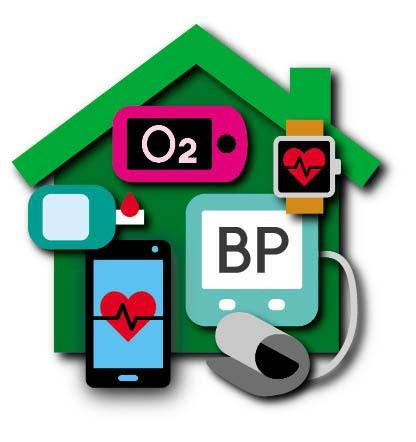
How to use home health monitors
Home health technologies have made it easier for people to monitor their health at home. These handy home devices can track certain health markers, such as blood pressure, blood sugar, heart rhythm, heart rate variability, and oxygen saturation. Checking this information periodically may help some people identify possible problems or manage existing conditions.

The incontinence tool kit
Several tools can help people with incontinence stay dry and comfortable. Tools can include medications; basic supplies, such as protection pads, leakproof underwear, adaptive clothing, and portable urinals; bedwetting alarms; and bathroom locator apps. Some of the most important tools aren’t pills or gadgets, but strategies—such as controlling underlying conditions that can lead to incontinence (such as diabetes), weight loss, lifestyle or behavioral changes, and pelvic floor training.
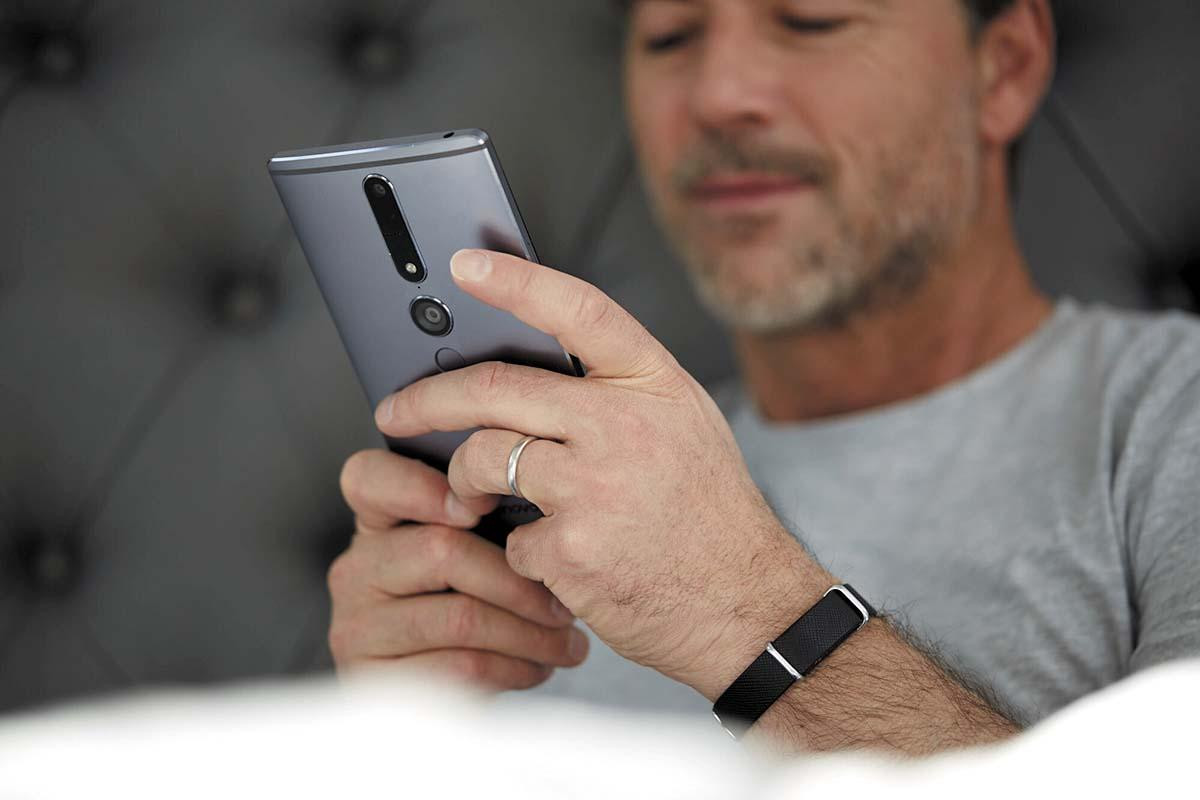
The future of blood pressure monitoring: Cuffless devices
Many devices that measure blood pressure without an inflatable arm cuff are in development, including a wristband recently cleared by the FDA for over-the-counter sale. It relies on a light-based sensor to detect changes in the amount of blood flowing through the vessels of the inner wrist, a technique known as photoplethysmography. But the devices have to be periodically calibrated, and as yet, there are no standards to validate the accuracy of cuffless devices.
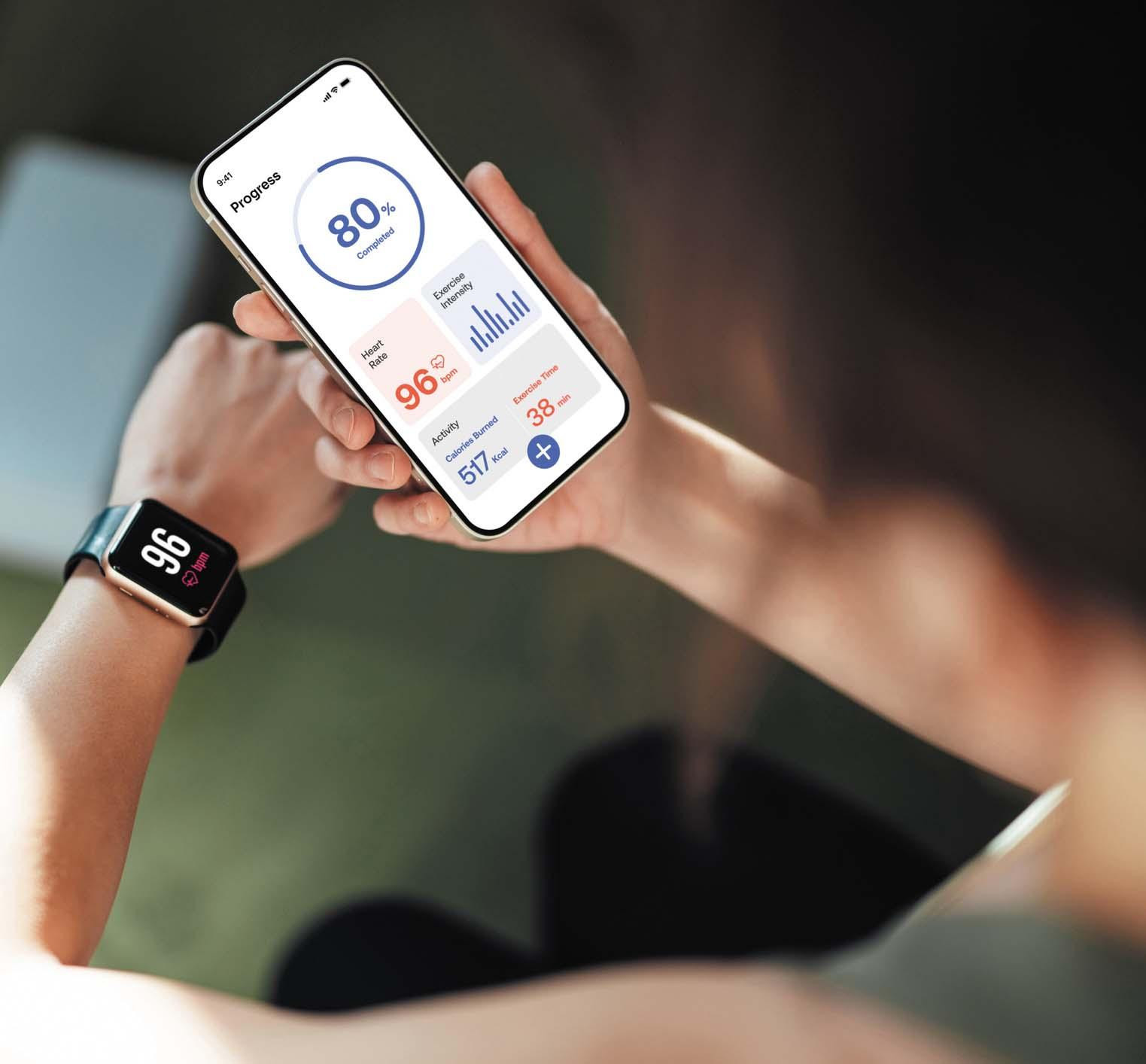
Smarter, safer workouts with a wearable fitness tracker
Wearable fitness trackers like smart watches offer measurable and motivating data for exercise routines and safety, especially for people with heart conditions. Features include movement reminders, step counts (a daily total of 4,000 to 7,000 steps is considered beneficial), heart rate zones for exercise intensity, and measurements of heart rate recovery and variability to assess overall heart health. These tools can help optimize workouts and reveal potential issues.

Smart watch alerts about heart health
Smart watches can monitor different parameters simply by measuring a person's pulse and body movements. Potentially helpful features include those to detect very low or high heart rates, irregular heart rhythms, and breathing disruptions during sleep.

Harvard Health Ad Watch: How direct-to-consumer ads hook us
Direct-to-consumer (DTC) drug ads promoting treatments for arthritis, cancer, heartburn, psoriasis, flagging memory, and more are all everywhere you look. All too often, the information shared is incomplete, biased, or confusing––here's what to watch out for and how to get the whole story when considering treatment options.


Is it time for a CPAP checkup?
Use of a continuous positive airway pressure (CPAP) system to treat sleep apnea must be monitored regularly by a doctor. This might require numerous doctor visits initially, and then annual visits afterward to make sure the therapy is still working effectively. The clinician needs to review data collected by the machine, gather information from the patient, and determine if new health conditions, including weight gain or other sleep issues, require adjustments to the CPAP machine settings.

What you should know about recalls of cardiac devices
Implanted heart devices include pacemakers and implantable cardioverter defibrillators (ICDs), which monitor and correct abnormal heart rhythms. While very reliable, they are not perfect, and recalls of these devices affect thousands of people each year, according to a 2024 study. Testing the effectiveness and safety of cardiac devices is far more complicated than testing drugs. But efforts are under way to improve postmarket tracking of device complications by using electronic health records, Medicare databases, and registries developed in partnership with device manufacturers.

What's the best self-fitting strategy for over-the-counter hearing aids?
A small randomized trial in 2024 found that both self-adjustment and in-situ audiometry were effective strategies to match self-fitting hearing aids to personal hearing needs. However, self-adjustment devices had the best satisfaction rates and consistent use.
Trying to lose weight? Be careful not to lose muscle
Is your skin problem actually an autoimmune condition?
People with diabetes face higher risk of hearing loss
Antibiotic-free fixes for recurrent UTIs
Musculoskeletal syndrome of menopause: When menopause makes you ache all over
When can older women stop getting mammograms?
To lose weight, especially harmful belly fat, combine diet and exercise
Can men hold off on treating recurring prostate cancer?
The 7 types of rest and why we need them all
What are the early warning signs of cervical cancer?
Free Healthbeat Signup
Get the latest in health news delivered to your inbox!
Sign Up