

Even a little exercise linked with lower stroke risk in people with afib

Testosterone therapy without evidence of deficiency may boost heart risk

Weight-loss drug may lower risk of heart attacks and infections

What to eat on the DASH diet

Migraine: How it's diagnosed and what that means

Tricep workouts you can do at home

Mindfulness practices to reduce stress and improve focus

Antihistamines may not offer meaningful relief from eczema symptoms

Overweight and taking blood pressure medications: Study finds it's a trend that's working

FDA approves first mRNA-based flu vaccine
LGBTQ+ health Archive
Articles

Music as medicine
Music therapy uses personally tailored interventions such as singing, songwriting, playing an instrument, or moving to the beat to help people with a variety of health conditions manage disease symptoms and treatment side effects. Research suggests music therapy can curb stress, soothe pain, promote sleep, reduce anxiety, and improve memory and focus. People interested in accessing music therapy can ask their health care team or hospital for a referral, or look for a music therapist through the American Music Therapy Association.

When fear strikes the heart: Post-traumatic stress disorder
People with post-traumatic stress disorder (PTSD) are especially vulnerable to cardiovascular problems, including a 40% increased risk of heart attack. The amygdala, a brain structure involved in processing anxiety, fear, and stress, is overactive in people with PTSD. But these people also have decreased activity in the ventromedial prefrontal cortex, which is responsible for regulating emotions and dampening the fear response. This brain activity imbalance triggers chronic activation of the body's "fight-or-flight" response. The resulting physiological changes appear to underlie the development of atherosclerosis.


Optimism may slow women's age-related physical decline
A 2024 study suggests that optimism may help women stave off age-related physical decline.

Living your best life
As people face their mortality, they often focus on how to live their best life in their remaining time. Two Harvard experts-Dr. Howard LeWine and Dr. Anthony Komaroff-share advice on how they are achieving this during their golden years. Some of their suggestions include embracing the natural changes of aging, doing inspiring activities, learning to live in the moment, and finding one's sense of purpose.

Depression more likely during perimenopause than before or after
A 2024 study suggests that women in perimenopause are significantly more likely to experience depression than either before or after this stage.
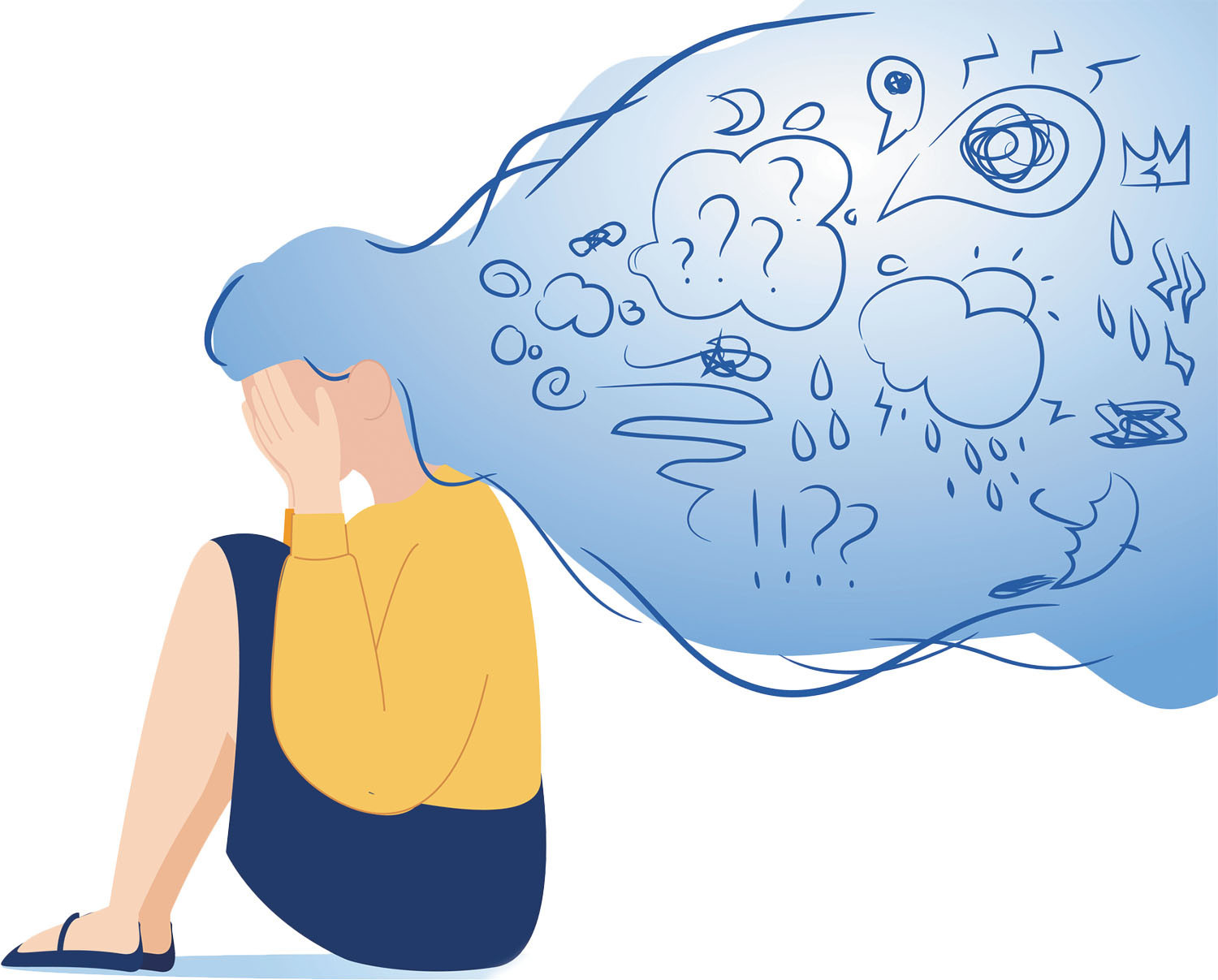
Recognizing and easing the physical symptoms of anxiety
Anxiety can produce physical symptoms, such as headaches, stomach upset, and tightness in the chest. Sometimes this sets up a vicious cycle, in which anxiety triggers physical symptoms, and the symptoms magnify anxiety, which makes them even worse. Doing distracting tasks or relaxation exercises can help break this cycle. People should seek professional help if symptoms can't be controlled.

Train your brain
As people age, cognitive skills wane and thinking and memory become more challenging, so they need to build up the brain's reserve. Embracing a new activity that requires thinking, learning, ongoing practice can be one of the best ways to improve cognitive skills like memory recall, problem solving, and processing speed.


Even a little exercise linked with lower stroke risk in people with afib
Testosterone therapy without evidence of deficiency may boost heart risk
Weight-loss drug may lower risk of heart attacks and infections
What to eat on the DASH diet
Migraine: How it's diagnosed and what that means
Tricep workouts you can do at home
Mindfulness practices to reduce stress and improve focus
Antihistamines may not offer meaningful relief from eczema symptoms
Overweight and taking blood pressure medications: Study finds it's a trend that's working
FDA approves first mRNA-based flu vaccine
Free Healthbeat Signup
Get the latest in health news delivered to your inbox!
Sign Up
