

Even a little exercise linked with lower stroke risk in people with afib

Testosterone therapy without evidence of deficiency may boost heart risk

Weight-loss drug may lower risk of heart attacks and infections

What to eat on the DASH diet

Migraine: How it's diagnosed and what that means

Tricep workouts you can do at home

Mindfulness practices to reduce stress and improve focus

Antihistamines may not offer meaningful relief from eczema symptoms

Overweight and taking blood pressure medications: Study finds it's a trend that's working

FDA approves first mRNA-based flu vaccine
LGBTQ+ health Archive
Articles
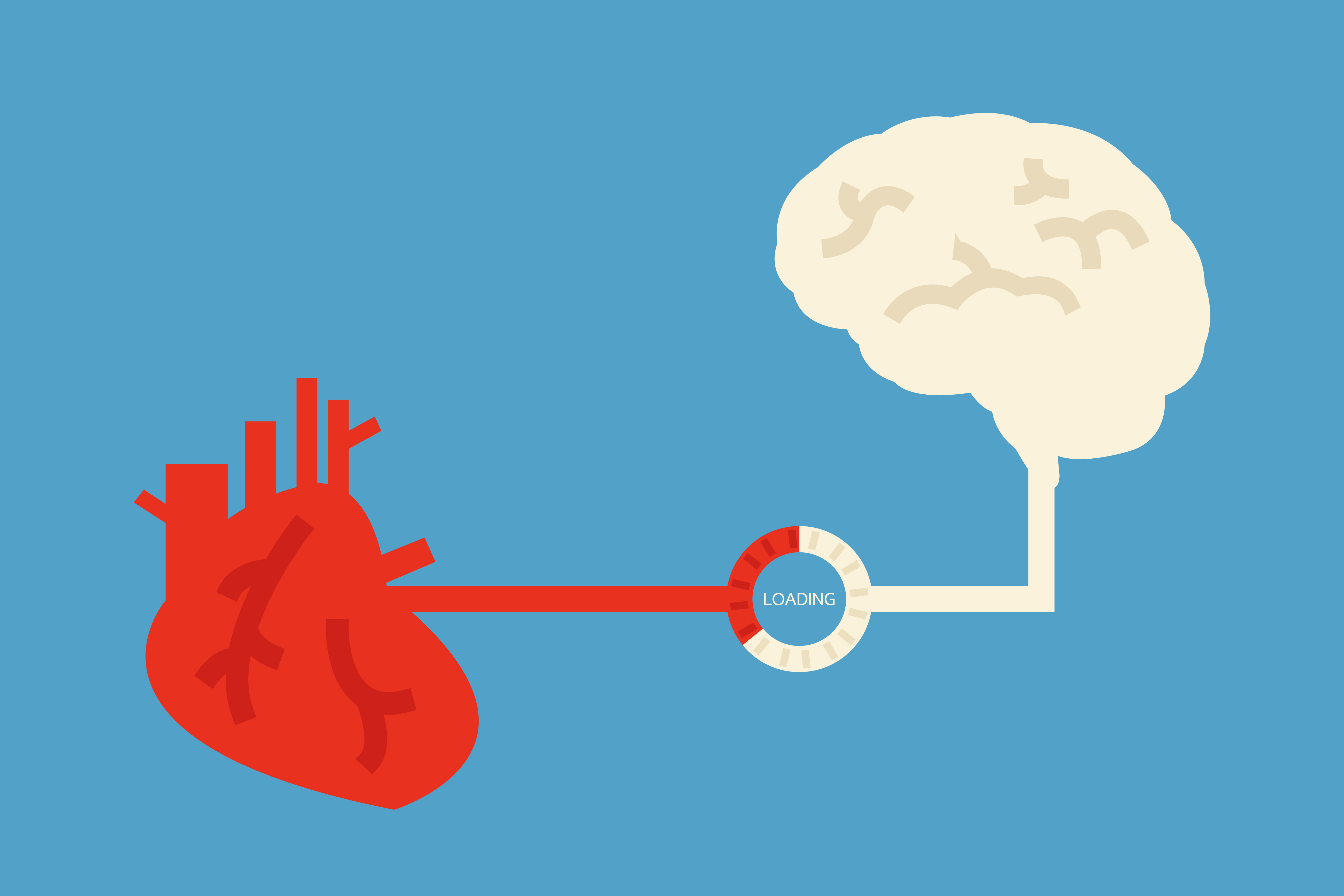
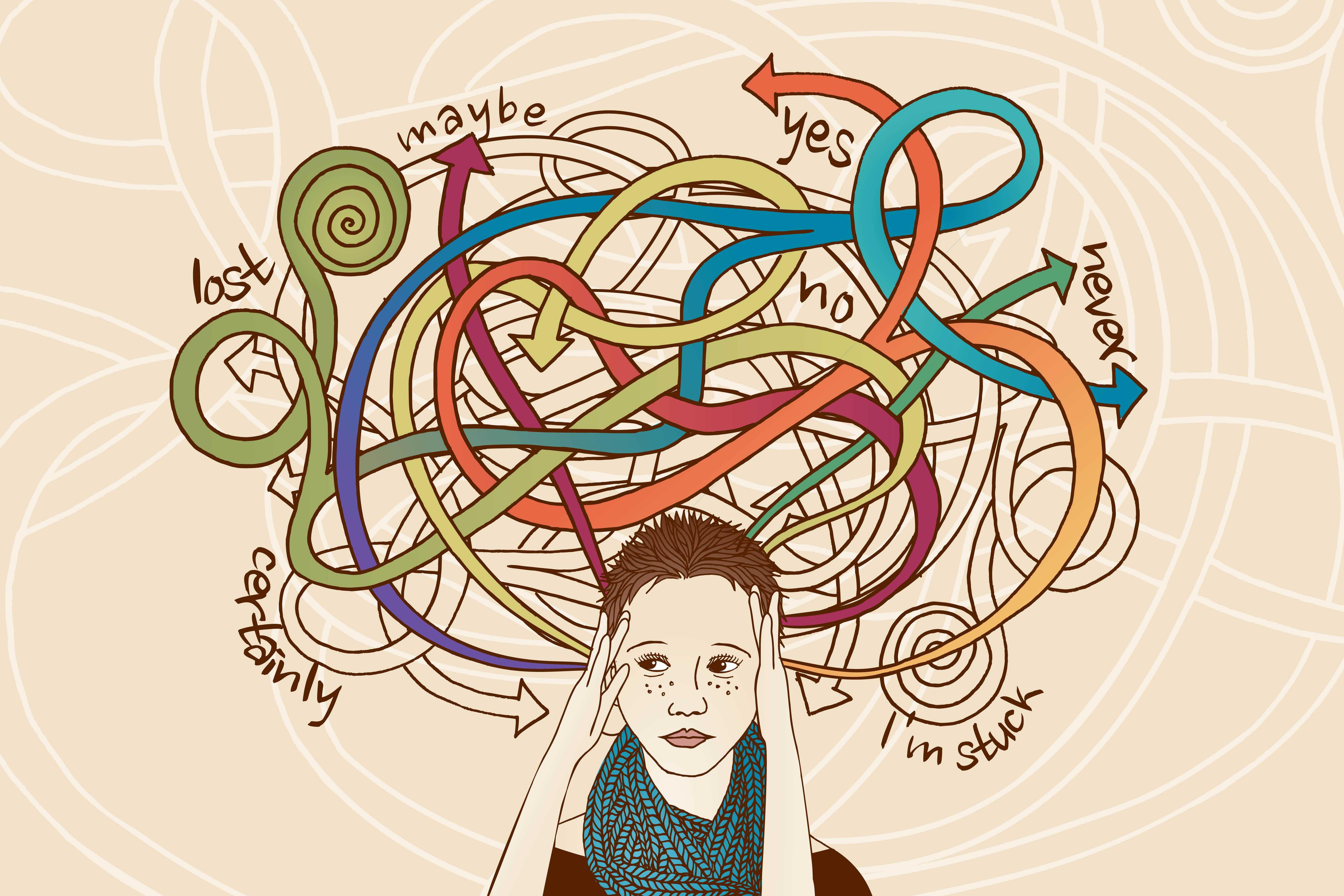
More than sad: Depression affects your ability to think
We often think of depression as making someone feel “down,” but it can sometimes show up as cognitive symptoms — for example, trouble with adapting to new information or thinking through a solution to a problem. Researchers recently determined that several common depression medications are not effective at relieving cognitive symptoms. But there are several things people with depression can try to help return themselves to their usual level of cognitive functioning.



Could lack of sleep trigger a food “addiction”?
Many people cite a lack of “motivation” or “willpower” as the reason that overweight people can’t control their eating habits. But a wealth of evidence has come to light that obesity is linked to insufficient sleep. Most recently, an experimental study has found that restricted sleep can increase the levels of brain chemicals that make eating pleasurable. Could it be that insufficient sleep makes the brain addicted to the act of eating?
A monthly shot for opioid addiction: An option for some
Several long-term treatments can help people overcome opioid addiction. One of them, naltrexone, may help people who have trouble sticking with taking a pill every day. Naltrexone can be offered as a monthly injection called Vivitrol, which has been shown to help more people stay on treatment as compared to the pill form. However, it’s not for everyone, and like all treatments for opioid addiction, it must be used very carefully.

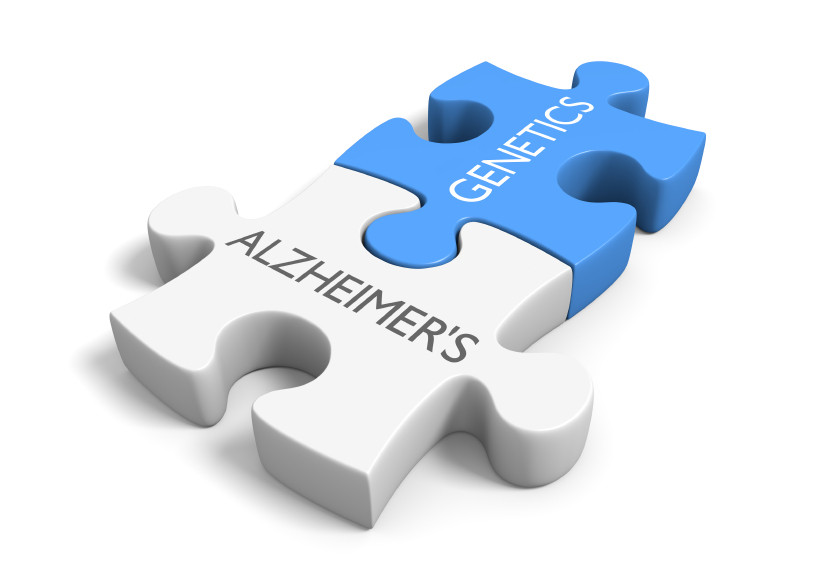
A twist on the genetic link between Alzheimer’s and heart disease
Although the two conditions seem unrelated, Alzheimer’s and heart disease actually share a genetic link. People who have a certain gene variant have both a somewhat elevated heart disease risk and a significantly elevated Alzheimer’s risk. Fortunately, a recent study has suggested that when people know they have this variant, they’re more likely to make healthy lifestyle choices that benefit their heart — and what’s good for the heart is good for the brain.


Can a heartburn drug cause cognitive problems?
Many older adults take PPIs to treat heartburn, GERD, or stomach ulcers. Recently, a new study identified a link between chronic PPI use and an increased risk for dementia. If you take a PPI, check in with your doctor — you may be able to take it only when you have symptoms, not continuously (and this kind of usage was not associated with a dramatically increased dementia risk in the study).
Even a little exercise linked with lower stroke risk in people with afib
Testosterone therapy without evidence of deficiency may boost heart risk
Weight-loss drug may lower risk of heart attacks and infections
What to eat on the DASH diet
Migraine: How it's diagnosed and what that means
Tricep workouts you can do at home
Mindfulness practices to reduce stress and improve focus
Antihistamines may not offer meaningful relief from eczema symptoms
Overweight and taking blood pressure medications: Study finds it's a trend that's working
FDA approves first mRNA-based flu vaccine
Free Healthbeat Signup
Get the latest in health news delivered to your inbox!
Sign Up
