

CoQ10: Should you take this popular supplement if you're on a statin?

Microplastics: A hidden health threat?

Oat vs. dairy milk: Nutrition, benefits, and downsides

What is tempeh? Benefits, nutrition, and how to use it

Healing after food poisoning

Children of centenarians may stay healthier and live longer too, study finds

Light exposure at night may raise risk for heart disease

A lumbar belt may help ease low back pain

Whole grains may improve several heart risk factors at once

Signs of pneumonia: Sometimes vague and unexpected
Knees Archive
Articles

The most common exercise among people with arthritis
U.S. adults who report being physically active say their most frequent forms of exercise are walking, gardening, and weight lifting, according to a study published online Oct. 8, 2021, by the CDC's Morbidity and Mortality Weekly Report.
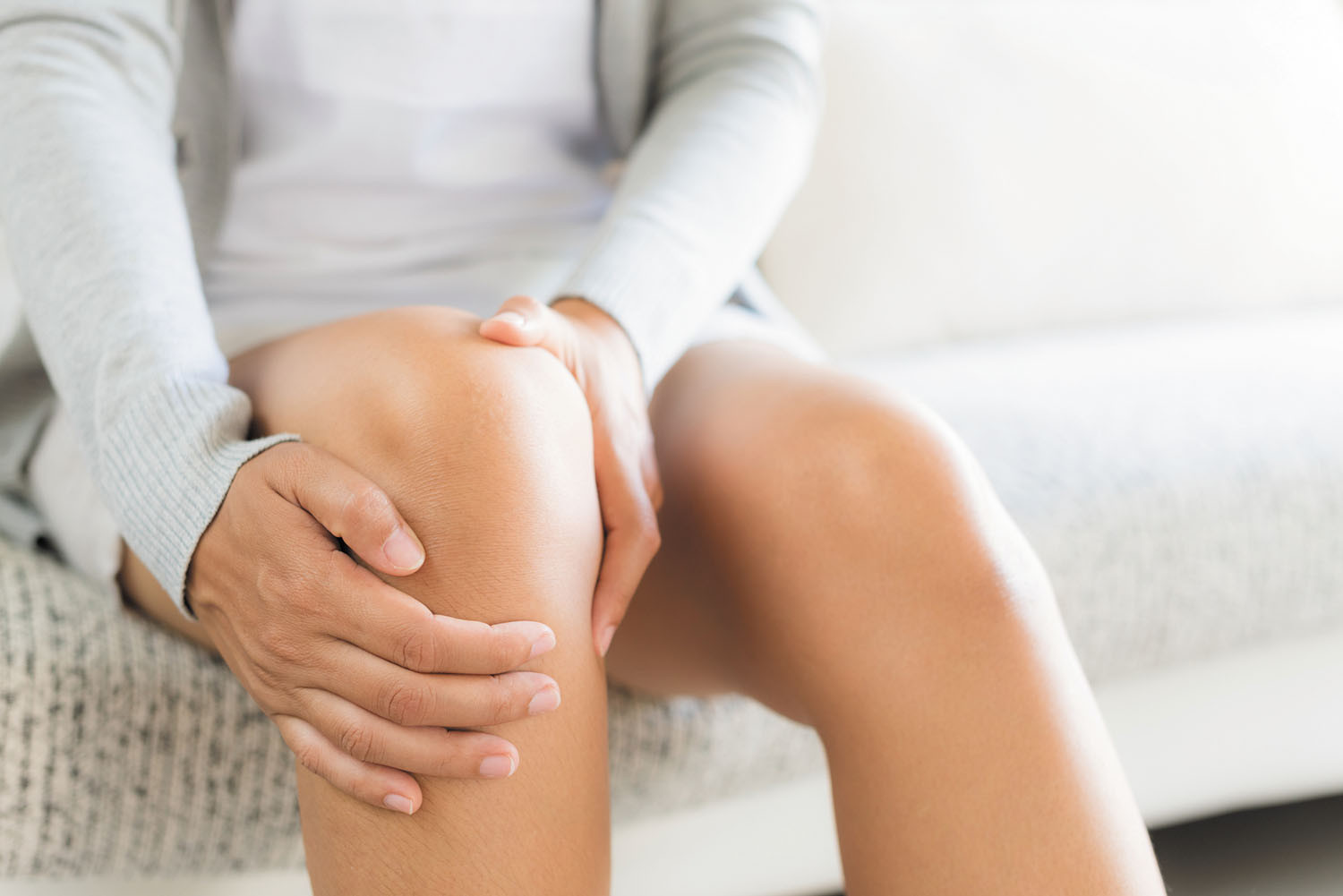

If you have knee pain, telehealth may help
Osteoarthritis (OA) is the number one cause of chronic knee pain, affecting nearly a quarter of people 40 or older. A recent study of people with overweight or obesity and OA showed that telehealth visits can be an effective way to provide care and may even help with weight loss, which can improve symptoms and prevent OA from worsening.
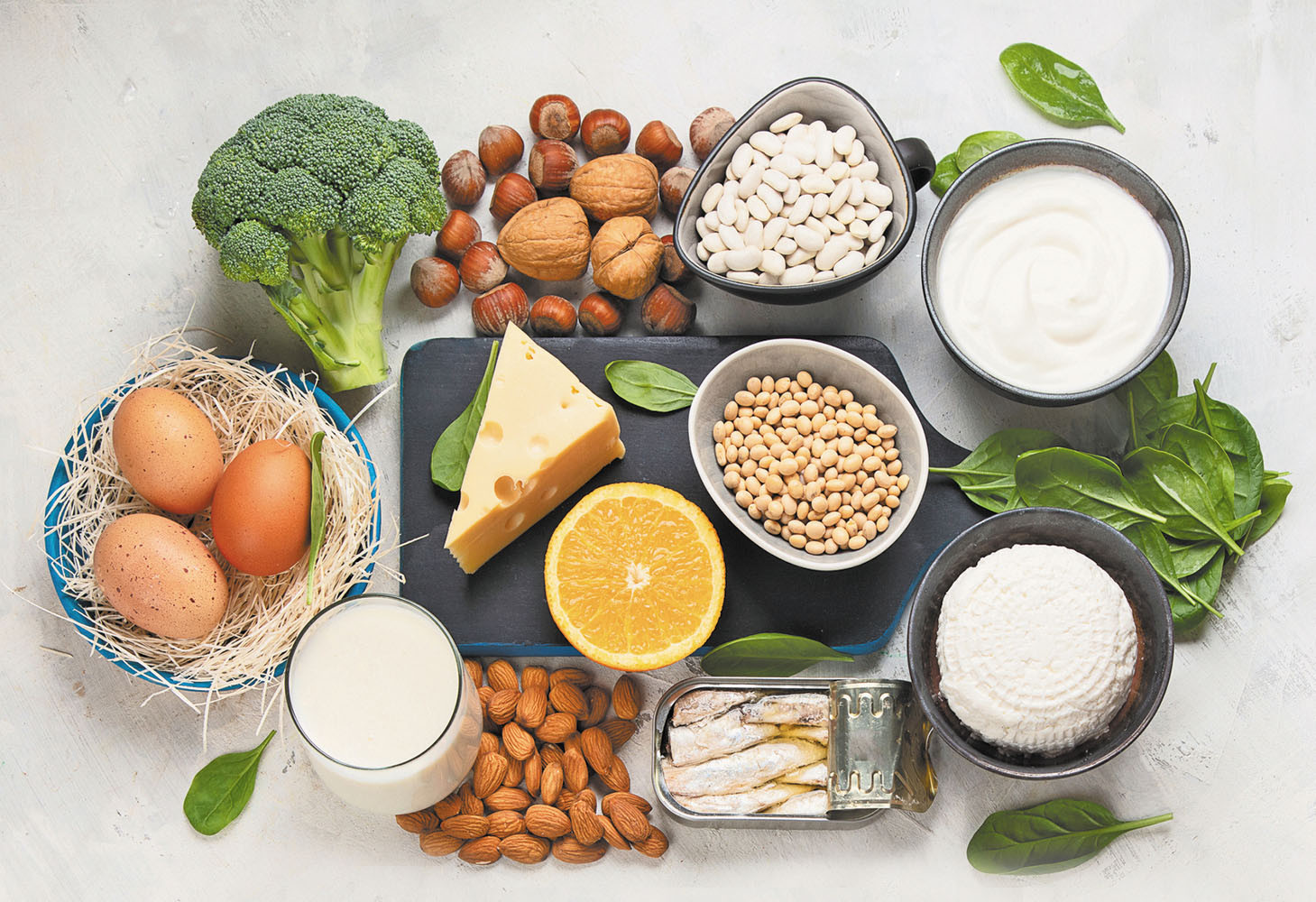
Essential nutrients your body needs for building bone
Older adults must pay special attention to their intakes of calcium, vitamin D, and protein. These important nutrients are crucial for maintaining bone health. Doctors say it's probably best to take a supplement to get enough vitamin D. Calcium and protein are best when they come from foods, such as canned salmon with bones, sardines, beans, dairy products (cheese, yogurt, cottage cheese, milk), leafy greens, or nuts. Other important nutrients for bone health, such as magnesium, phosphorous, and potassium, can be obtained by simply eating a diet rich in fruits, vegetables, legumes, nuts, seeds, and lean proteins.

Watch out for these balance busters
Many factors can impair balance and lead to falls, such as vision, hearing, or joint problems; medication side effects; and environmental hazards. To improve balance and reduce the risk for falls, one can remove fall hazards from the home, treat underlying conditions that increase fall risk, consider adjusting medications that affect balance, get physical therapy, use an assistive walking device, wear supportive shoes that hold the feet in place, and frequently challenge balance with balance exercises.

The heel problem that threatens your mobility
Thick, dead skin patches (calluses) on the heels sometimes become cracked. The condition, known as cracked heels, makes it hard to walk and increases the risk for infection, since cracks open the door for bacteria to enter the body. If infected, cracked heels can turn into foot wounds that become hard to heal, especially in people with diabetes or peripheral artery disease who have poor circulation in their legs and feet.

Casing the joints

Vitamin D deficiency might affect recovery from knee surgery

The best types of exercise when you have hip or knee pain

Take on chronic pain where it lives
CoQ10: Should you take this popular supplement if you're on a statin?
Microplastics: A hidden health threat?
Oat vs. dairy milk: Nutrition, benefits, and downsides
What is tempeh? Benefits, nutrition, and how to use it
Healing after food poisoning
Children of centenarians may stay healthier and live longer too, study finds
Light exposure at night may raise risk for heart disease
A lumbar belt may help ease low back pain
Whole grains may improve several heart risk factors at once
Signs of pneumonia: Sometimes vague and unexpected
Free Healthbeat Signup
Get the latest in health news delivered to your inbox!
Sign Up
