

Healing after food poisoning

What is tempeh? Benefits, nutrition, and how to use it

Light exposure at night may raise risk for heart disease

Whole grains may improve several heart risk factors at once

A lumbar belt may help ease low back pain

Children of centenarians may stay healthier and live longer too, study finds

Signs of pneumonia: Sometimes vague and unexpected

The surprising link between ovarian cancer and the fallopian tubes

Using a vibration plate: What it can — and can't — do for your body

People who walk more or walk faster live longer, study finds
Inflammation Archive
Articles
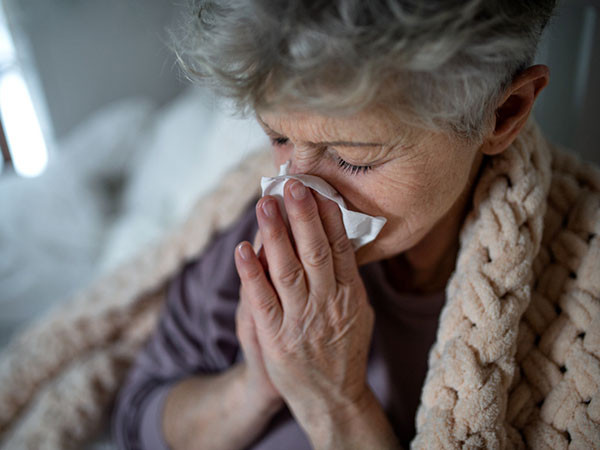
Remember the flu? Yep, it's that time again
Last winter's flu season was mild, partly due to record high rates of flu vaccination and steps people were already taking to protect themselves from COVID-19. But don't let that fool you — some flu seasons are severe, so it it's wise to get a flu shot and take other precautions that can help you stay healthy this winter.

Beyond blood pressure: Added benefits from the DASH diet

Fruit of the month: Apples

Do people who have COVID-19 go on to develop other diseases?
Evidence suggests that people who recover from COVID-19 have an increased risk for developing new health problems, including heart attacks, high blood pressure, diabetes, high cholesterol, muscle inflammation, blood clots that travel to the lungs, strokes from clots or hemorrhages, or psychosis. This is in addition to permanent damage that can result from having COVID, including damage to the lungs, heart, kidneys, brain, or other organs; and debilitating fatigue, difficulty thinking, and other symptoms that make it hard to function normally at work or at home.

Shingles vaccine may also reduce stroke risk

New treatment for pericarditis approved

Cold-water dips: Healthy or risky?
Swimming (or just dunking) in cold water is generally safe. But people with heart rhythm disorders should be cautious about this practice. The evidence for the health benefits for cold-water immersion (which allegedly include fat loss and reduced inflammation) is limited. Submerging the face in cold water triggers the diving reflex, which causes the heart to slow down and blood pressure to rise. This response, in addition to an adrenaline surge from cold water on the skin, may trigger an underlying arrhythmia.

Chronic gut inflammation: Coping with inflammatory bowel disease

A vaccine that can prevent shingles

Thoughts on optimism
Healing after food poisoning
What is tempeh? Benefits, nutrition, and how to use it
Light exposure at night may raise risk for heart disease
Whole grains may improve several heart risk factors at once
A lumbar belt may help ease low back pain
Children of centenarians may stay healthier and live longer too, study finds
Signs of pneumonia: Sometimes vague and unexpected
The surprising link between ovarian cancer and the fallopian tubes
Using a vibration plate: What it can — and can't — do for your body
People who walk more or walk faster live longer, study finds
Free Healthbeat Signup
Get the latest in health news delivered to your inbox!
Sign Up
