

Using a vibration plate: What it can — and can't — do for your body

The surprising link between ovarian cancer and the fallopian tubes

People who walk more or walk faster live longer, study finds

For sleep apnea, a dental device may be as effective as CPAP

Rosacea treatments: What works?

Carb cycling: What is it, and does it work?

Salmonella, E. coli, Cyclospora, and other germs that cause food poisoning: What you need to know

Melatonin or magnesium: Can either supplement help you sleep?

Understanding orthorexia: Have your healthy eating goals gone too far?

Naturally gluten-free foods
Heart Health Archive
Articles

After ablation, exercise may lower atrial fibrillation recurrence
After an ablation procedure for atrial fibrillation, getting at least 90 minutes of moderate exercise per week may reduce a person’s risk of an afib recurrence, according to a 2026 study.

Can you further lower heart disease risk if your numbers already look good?
Extra steps that might further protect heart health when blood pressure, cholesterol, diet, and exercise are already well managed.
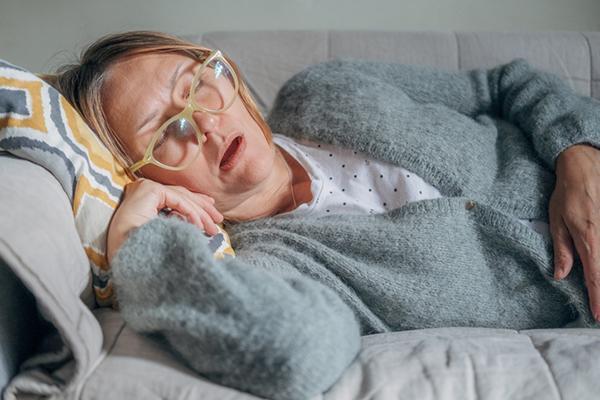
What could be causing my nighttime gasping for breath?
Sudden gasps for air at night can be alarming. Explore how allergies, blocked airways, or more serious sleep and heart problems might be involved.
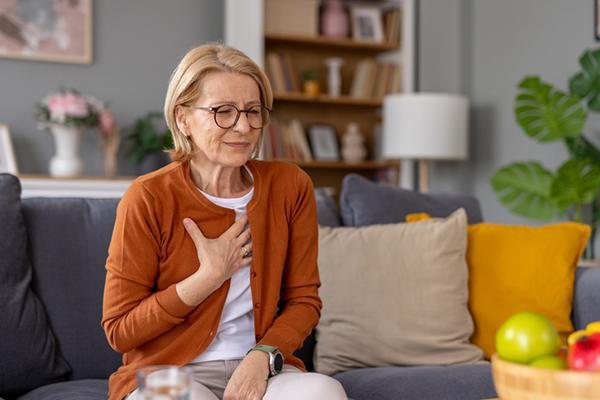
Women's unique risks for heart disease
Women have unique risk factors for heart disease, including pregnancy-related complications and a higher rate of autoimmune diseases. Anatomical and other differences also influence how heart disease manifests in women.

3 simple swaps for better heart health
A busy schedule can make it challenging to adhere to heart-healthy habits, but there are steps you can take that don't require much time and can fit easily into almost anyone's life.

Addressing poor sleep may help heart health
Growing evidence suggests that poor sleep is linked to a host of health problems, including a higher risk of high blood pressure, diabetes, obesity, and heart disease. Now, a recent study on people in midlife finds that having a combination of sleep problems may nearly triple a person's risk of heart disease.
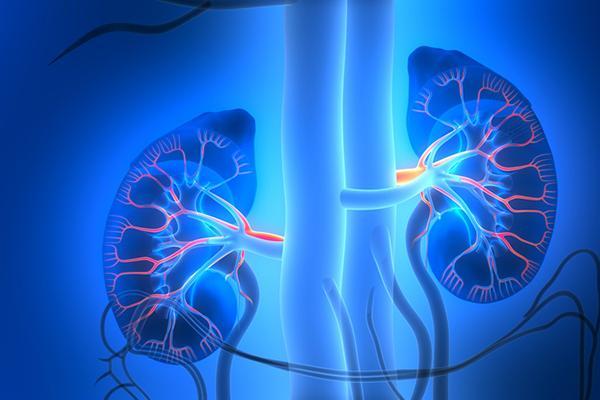
Chronic kidney disease: A hidden threat to your heart
About one in seven adults in the United States has chronic kidney disease. Simple screening tests can detect the problem, which can increase the risk of heart attack, stroke, and heart failure.

Virtual cardiac rehab: Heal your heart from home
Virtual cardiac rehabilitation offers heart-related education and supervised exercise classes that people can access at home using a computer, tablet, or smartphone. This growing trend may help make cardiac rehab more convenient and accessible.
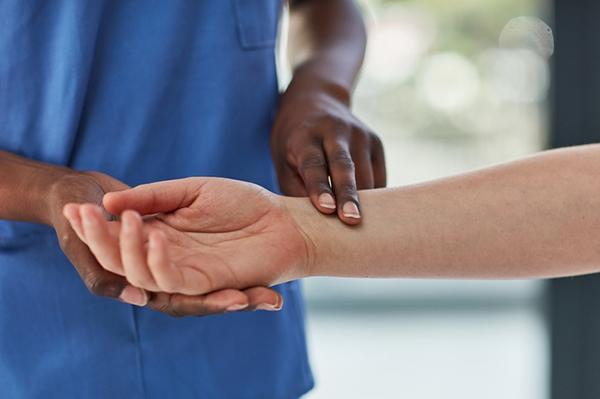
What causes a slow heartbeat?
A low resting pulse can signal peak fitness, hidden heart trouble, or even thyroid issues; learn when a slow beat is harmless and when it's not.
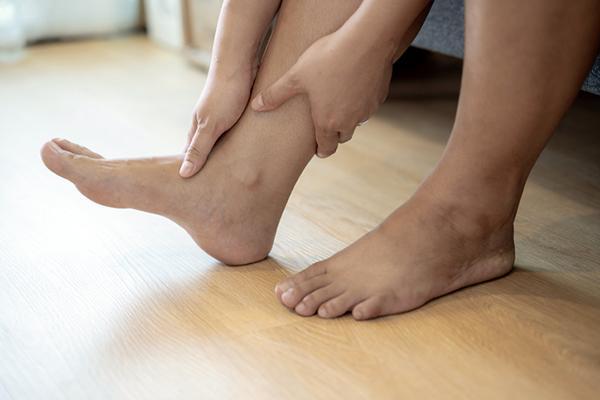
Why do my ankles swell in the summer?
Warm weather, vein valve issues, and fluid retention can all puff up your ankles. Learn what doctors look for and simple steps that may ease it.
Using a vibration plate: What it can — and can't — do for your body
The surprising link between ovarian cancer and the fallopian tubes
People who walk more or walk faster live longer, study finds
For sleep apnea, a dental device may be as effective as CPAP
Rosacea treatments: What works?
Carb cycling: What is it, and does it work?
Salmonella, E. coli, Cyclospora, and other germs that cause food poisoning: What you need to know
Melatonin or magnesium: Can either supplement help you sleep?
Understanding orthorexia: Have your healthy eating goals gone too far?
Naturally gluten-free foods
Free Healthbeat Signup
Get the latest in health news delivered to your inbox!
Sign Up
