

Reading the current blood pressure guidelines

Oat vs. dairy milk: Nutrition, benefits, and downsides

Microplastics: A hidden health threat?

Healing after food poisoning

What is tempeh? Benefits, nutrition, and how to use it

Light exposure at night may raise risk for heart disease

Whole grains may improve several heart risk factors at once

A lumbar belt may help ease low back pain

Children of centenarians may stay healthier and live longer too, study finds

Signs of pneumonia: Sometimes vague and unexpected
Heart Health Archive
Articles
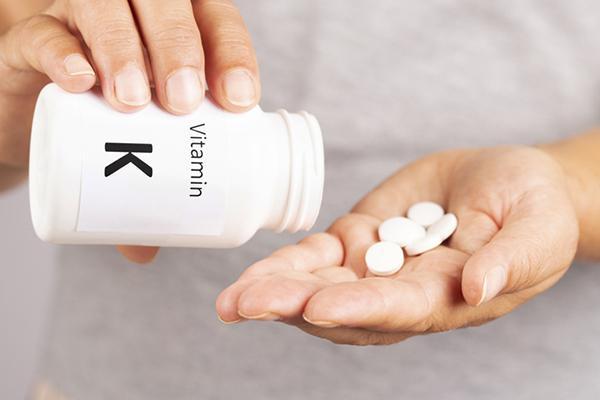
Is it safe for me to take vitamin K if I am already taking Plavix and aspirin?
Taking antiplatelet drugs can make any “blood thinner” advice confusing. Which blood-thinning medications vitamin K affects matters here.
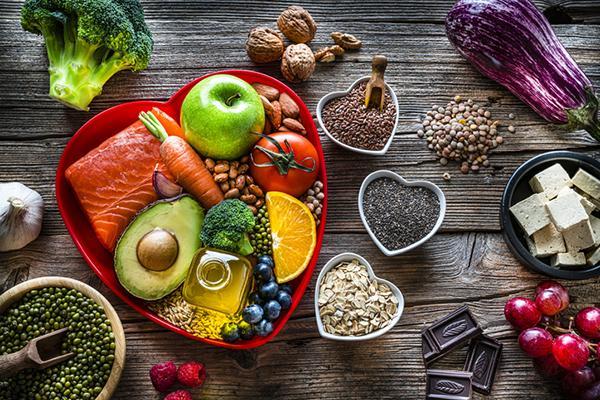
New guidelines detail what you should eat for a healthy heart
A 2026 scientific statement from the American Heart Association details nine key features of a heart-healthy diet that can help people protect their cardiovascular health.

Continuous glucose monitors: New guidelines recommend expanding CGM use for people with diabetes
The latest diabetes guidelines now recommend continuous glucose monitors for many people with type 2 diabetes. The real-time data from these devices may help reduce heart-related risks in people with diabetes by helping to reduce blood sugar, cholesterol, blood pressure and body weight.

Strategies for scaling back on salt
About 70% of the sodium in the American diet comes from processed, packaged, and restaurant foods. Checking labels and making smart swaps when shopping and dining out can help people consume less sodium and, perhaps, prevent cardiovascular disease and related deaths.
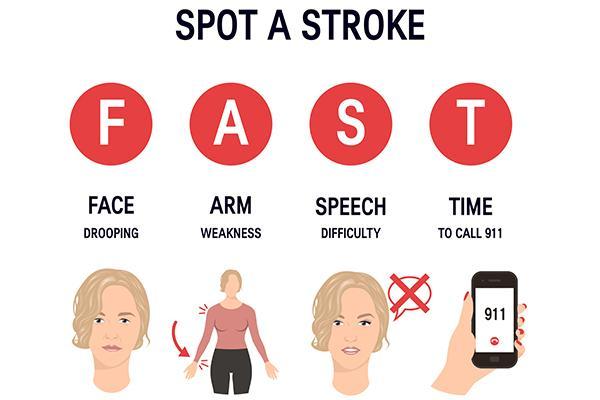
When a stroke strikes: What to expect at the emergency room
Recent advances in caring for people with strokes include expanded access to medications and clot removal procedures. In certain cases, these therapies may be done up to 24 hours after stroke symptoms first appear.

Why are heart attacks more common in the morning?
A number of physiological changes driven by the body’s internal clock help explain why heart attacks are more common in the morning. These changes include factors involved in blood pressure, blood clot formation, and inflammation.

Premature menopause linked to higher lifetime risk of heart disease
Women who experience premature menopause (when menstrual periods end before age 40) have a 40% higher risk of heart attacks than women who experience menopause after age 40, according to a 2026 study.
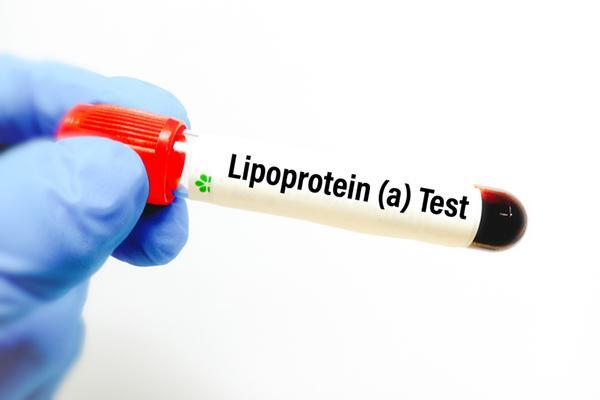
New cholesterol guidelines recommend Lp(a) blood test
All adults should get a lipoprotein(a) blood test at least once in their lifetime, according to the 2026 cholesterol guidelines. Also known as Lp(a), these fatty particles are similar to LDL (bad) cholesterol but more dangerous.
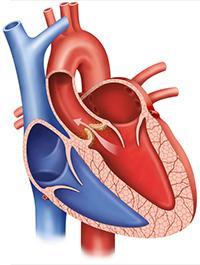
Heart-healthy habits over time linked to a lower risk of aortic stenosis
People who maintain or improve their heart-related risks over time are less likely to develop calcification of the aortic valve, which may lead to aortic stenosis.

Small upgrades to sleep, diet, and exercise may cut heart risk
Sleeping 11 additional minutes, doing an extra five minutes of moderate-to-vigorous physical activity, and eating just a quarter-cup more of vegetables each day was linked to a 10% reduction in heart attacks, strokes, and other serious heart problems, according to a 2026 study.
Reading the current blood pressure guidelines
Oat vs. dairy milk: Nutrition, benefits, and downsides
Microplastics: A hidden health threat?
Healing after food poisoning
What is tempeh? Benefits, nutrition, and how to use it
Light exposure at night may raise risk for heart disease
Whole grains may improve several heart risk factors at once
A lumbar belt may help ease low back pain
Children of centenarians may stay healthier and live longer too, study finds
Signs of pneumonia: Sometimes vague and unexpected
Free Healthbeat Signup
Get the latest in health news delivered to your inbox!
Sign Up
