

Using a vibration plate: What it can — and can't — do for your body

The surprising link between ovarian cancer and the fallopian tubes

People who walk more or walk faster live longer, study finds

For sleep apnea, a dental device may be as effective as CPAP

Rosacea treatments: What works?

Carb cycling: What is it, and does it work?

Salmonella, E. coli, Cyclospora, and other germs that cause food poisoning: What you need to know

Melatonin or magnesium: Can either supplement help you sleep?

Understanding orthorexia: Have your healthy eating goals gone too far?

Naturally gluten-free foods
Heart Health Archive
Articles
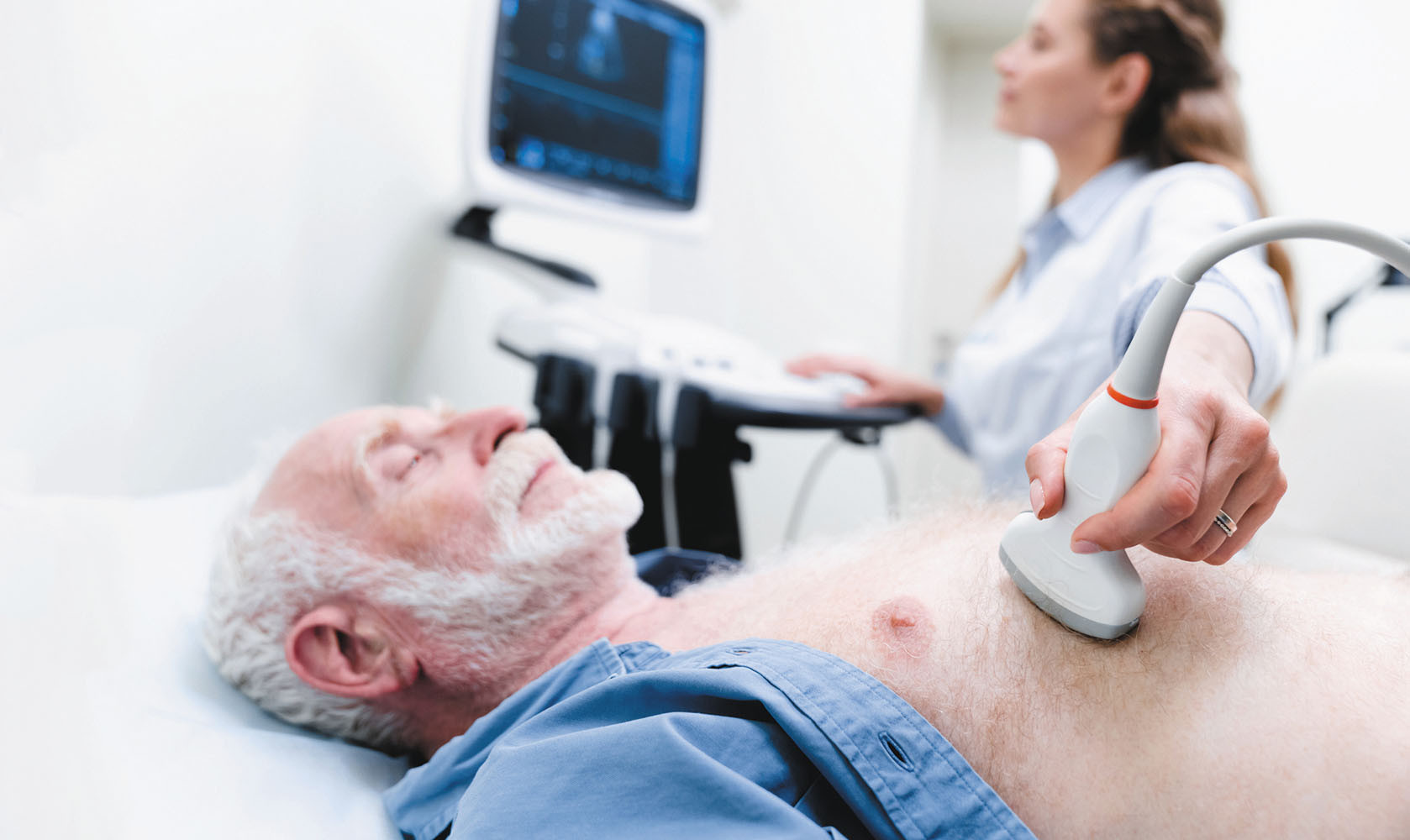
Updated advice for people with heart valve disease
With expanded options for replacing stiff or leaky heart valves, more people can avoid surgery.
The heart's four valves open and shut in a carefully timed sequence to move blood through and out of the heart to the body. But as people age, these one-way valves may narrow and stiffen — a problem known as stenosis — which partially limits blood flow. Heart valves can also leak, allowing blood to flow backward; that's called regurgitation.
About one in 10 adults ages 65 and older has moderate to severe heart valve disease. Without timely diagnosis and treatment (see "Monitoring heart valve disease"), valve problems can worsen, causing serious and sometimes fatal consequences. The good news: More people who need a new heart valve can get one without major surgery.

When it comes to activity, the more the better
In the journals
Regular exercise is good medicine, but more may be better, suggests a study published online Jan. 12, 2021, by PLOS Medicine. Scientists asked more than 90,000 people without heart disease to wear a fitness tracker for a week to measure the duration and intensity of their physical activity. Five years later, they found that the most active people were less likely to have had a heart attack or stroke or be diagnosed with heart disease.
That's no surprise, but the researchers also discovered that risk continued to shrink as weekly minutes of activity and intensity rose. People who exercised the most and at the highest intensity had the best odds of maintaining good cardiovascular health. Guidelines recommend people get 150 to 300 minutes of moderate-intensity exercise per week, but these findings suggest that trying to do a little extra — whether in time, intensity, or both — offers more reward.

Which blood pressure number matters most?
Ask the doctor
Q. My doctor told me I should get a home monitor to keep tabs on my blood pressure. Which number is most important in the reading, the top or the bottom one?
A. This question comes up often, perhaps because doctors and patients alike tend to pay more attention to the top (first) number, known as systolic pressure. It reflects the amount of pressure inside the arteries as the heart contracts. The bottom (second) number, diastolic pressure, is always lower since it reflects the pressure inside the arteries during the resting phase between heartbeats.

What’s for dinner?
If you need inspiration, here are some heart-friendly suggestions from Harvard cardiologists.
Even if you enjoy cooking, chances are you find yourself wondering what to make for dinner once in a while — especially if you're trying to eat more healthfully. And maybe you or someone in your household avoids all animal products or follows a low-carb eating style. Perhaps you need an easy meal for a quick weeknight supper or something a little fancier for a special occasion.
No matter what your family's preferences, there's a wealth of options when it comes to following a diet that promotes cardiovascular health. The two main guidelines: include plenty of plant-based foods (especially fruits and vegetables), and choose mostly unprocessed or minimally processed foods. Below, five cardiologists who treat patients at Harvard-affiliated hospitals share their favorite meals, along with some of the inspiration for their choices.

Arm yourself to get better blood pressure readings
In the journals
Blood pressure readings are usually done on only one arm, but a new analysis makes the case for checking both arms, as the difference between them may suggest an elevated risk for heart disease. The findings were published in the February 2021 issue of Hypertension.
Researchers examined 24 studies that measured blood pressure in both arms in 53,827 adults without high blood pressure. They found that a difference of more than five points between the left and right arm systolic readings (the top number) was linked with a 9% higher risk for a first-time heart attack or stroke and a 6% increase in cardiovascular death within 10 years. The greater the difference between the two readings, the higher the risk.

Depression and heart disease: A double-edged sword?
Lifestyle changes — along with other proven therapies — can help improve these often-overlapping conditions.
Everyone goes through periods of feeling gloomy, irritable, or listless at least once in a while. And these emotions are perfectly normal after a diagnosis of a serious health problem such as heart disease. But if those unpleasant feelings drag on for weeks and gradually erase your sense of well-being, you may have depression.
Over a lifetime, about one in five Americans is affected by depression. But the risk of depression in people who've had a heart attack is three times as high as the risk among the general population.

Why you should consider hiring a personal trainer
A good one can provide motivation and customized advice on a safe, effective, and well-rounded exercise routine.
Exercise is one of the pillars of heart disease prevention. But at some point, you may need help shoring up your workout habits. Maybe you exercise only in fits and starts, without sticking to a regular routine. Or perhaps you're in a rut, doing the same old 30-minute trudge on the treadmill every day.
Another possibility: You have a health condition (such as high blood pressure or arthritis) or another physical problem (an old knee or back injury, for example) that makes you hesitant to exercise. For all of these reasons and more, hiring a personal trainer can be a sound investment.

Is the COVID-19 vaccine safe for heart attack survivors?
Ask the doctors
Q. I experienced a heart attack a few years ago. I'm worried about getting the COVID-19 vaccine. Is it safe for someone with my medical history?
A. Yes. The vaccine is safe and advised for people with a history of heart attack and cardiovascular disease. While you should always discuss the particulars of your situation with your doctor, the American Heart Association said in a statement issued on Jan. 15, 2021, that it's important for people who have had heart disease or stroke (or who are at high risk for these conditions) to get vaccinated as quickly as possible, because they are at higher risk for severe disease if infected. The benefits of the vaccine far outweigh the risks. Clinical trials of the first two approved vaccines found that both are safe and, after two injections, are about 95% effective at preventing illness from SARS-CoV-2, the virus that causes COVID-19. The vaccine often causes soreness at the injection site. Other common side effects, such as headache and diffuse muscle pain, are usually mild and last only one or two days. More severe reactions, including allergic reactions, have occurred but are very rare.

Genetic testing to tailor heart drug prescriptions?
Your genes affect how your body responds to many drugs. But pharmacogenomic testing still isn't ready for routine use.
Most genetic tests focus on your odds of developing certain diseases or health conditions. But some — known as pharmacogenomic (or pharmacogenetic) tests — can reveal how your body may respond and react to different medications. To date, researchers have identified more than 400 genetic variations known to affect the metabolism of numerous drugs, including some that help lower cholesterol or prevent blood clots (see "Pharmacogenomics of common heart drugs").
In theory, knowing how people metabolize specific drugs could help doctors choose the safest, most effective treatment for their patients. But in practice, it's not that straightforward, says Dr. Jason Vassy, assistant professor of medicine at Harvard Medical School and a primary care physician at the VA Boston Healthcare System.

Fruit of the month: Tropical fruits
Tropical fruits are those native to warm, tropical climates and include everyday favorites such as bananas and oranges. Here, we're highlighting a few slightly more exotic choices that deserve a place on your shopping list at least once in a while. Try these suggestions when you're craving something sweet for a snack or after dinner.
Pineapple. Sure, canned pineapple is convenient, but the flavor of a fresh pineapple is far more vibrant. Try pineapple chunks tossed with chopped fresh mint.
Using a vibration plate: What it can — and can't — do for your body
The surprising link between ovarian cancer and the fallopian tubes
People who walk more or walk faster live longer, study finds
For sleep apnea, a dental device may be as effective as CPAP
Rosacea treatments: What works?
Carb cycling: What is it, and does it work?
Salmonella, E. coli, Cyclospora, and other germs that cause food poisoning: What you need to know
Melatonin or magnesium: Can either supplement help you sleep?
Understanding orthorexia: Have your healthy eating goals gone too far?
Naturally gluten-free foods
Free Healthbeat Signup
Get the latest in health news delivered to your inbox!
Sign Up
