

Healing after food poisoning

What is tempeh? Benefits, nutrition, and how to use it

Light exposure at night may raise risk for heart disease

Whole grains may improve several heart risk factors at once

A lumbar belt may help ease low back pain

Children of centenarians may stay healthier and live longer too, study finds

Signs of pneumonia: Sometimes vague and unexpected

The surprising link between ovarian cancer and the fallopian tubes

Using a vibration plate: What it can — and can't — do for your body

People who walk more or walk faster live longer, study finds
Heart Failure Archive
Articles

Should you track your atrial fibrillation triggers?
People with atrial fibrillation (afib) often wonder whether certain habits—such as drinking coffee or not getting sufficient sleep—might trigger their episodes. Some notice that disruptions to their normal routine are likely to trigger a bout of afib—for example, exhaustion due to jet lag or indigestion after eating a rich, heavy meal. Evidence increasingly suggests that smaller amounts of alcohol (even just one drink) may also raise a person's risk of afib, and some people may be more susceptible than others. But for many people, trying to identify afib triggers can be an exercise in frustration.

The heart-related hazards of air pollution
Air pollution is an often overlooked yet important contributor to cardiovascular disease. Tiny particles known as PM2.5 travel deep into the lungs, where they irritate receptors and trigger nerves involved in the autonomic nervous system. This irritation also contributes to inflammation, which accelerates atherosclerosis. Climate change can worsen the damaging effects of air pollution in several ways, such as by promoting wildfires and dust storms, which creates more PM2.5. To reduce pollution's harmful effects, people can check air quality information and use portable indoor air cleaners when pollution levels are elevated.

Is it a heart attack?
The first-ever guidelines to diagnose chest pain document the range of possible heart attack symptoms. They include a sense of pressure, tightness, squeezing, or heaviness in the chest but also in the shoulders, arms, neck, back, upper abdomen, or jaw. The report also provides a road map to help doctors assess chest pain with selective use of the latest available tests. Chest discomfort can also result from other conditions that affect the heart (such as pericarditis) and nearby organs. These include acid reflux, muscle or joint issues, and lung problems.

Complications after receiving a stent
Two main complications can occur with coronary stents: the gradual renarrowing of the area inside the stent, known as restenosis, and the formation of clots inside the stent, called stent thrombosis.

Build a better breakfast
Eating breakfast is a good opportunity to eat some of the nutrient-rich foods that help keep the heart in good shape. One option is whole-grain toast topped with avocado, which is rich in healthy fats and fiber. Another is oatmeal, known for its ability to lower cholesterol. Adding fruits and nuts provides additional nutrition. Eggs are another acceptable choice, ideally paired with vegetables instead of bacon, sausage, and white toast.

Under pressure: How stress may affect your heart
Mental stress ischemia occurs when emotional stress causes a decline in blood flow to the heart. The condition, which affects about one in six people with heart disease, may more than double a person's risk of heart attack. Mental stress ischemia appears to be caused in part by changes in the wall and inner lining of the heart's smallest blood vessels. Known as microvascular disease, this problem tends to be more prevalent in women. In contrast, a more common cause of chest pain is narrowing of the large arteries of the heart.
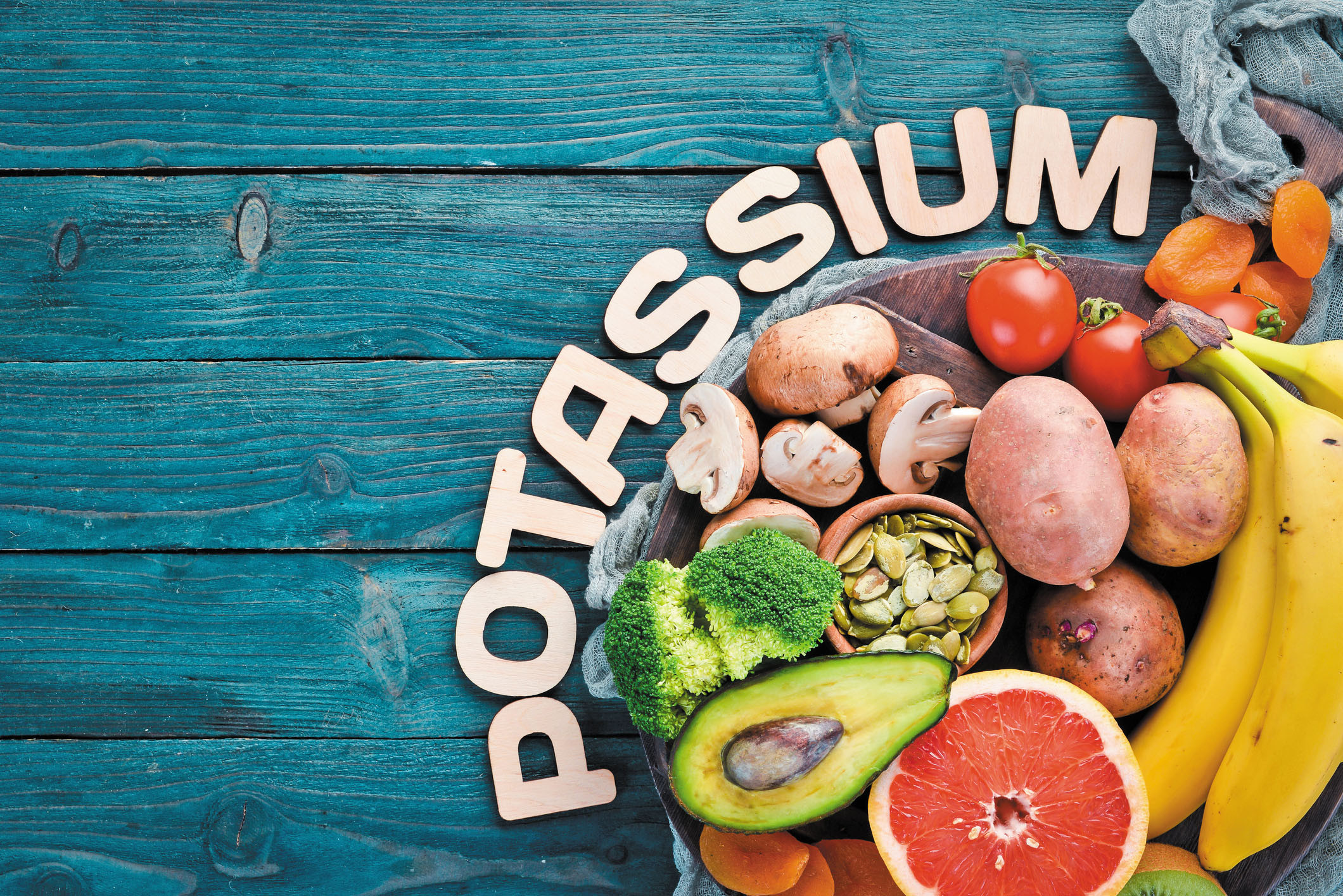
Adding potassium and subtracting sodium may equal better heart health
Consuming less sodium and more potassium may be linked to better heart health, according to a November 2021 study published in the New England Journal of Medicine. After controlling for other risk factors, the researchers found that for every extra 1,000 milligrams (mg) of sodium detected in the urine, there was an 18% increase in the risk of cardiovascular disease. For every extra 1,000 mg of potassium in the urine, there was an 18% decrease in risk.

Meal of the month: Stir-fry supper
Stir-fries feature a healthy dose of vegetables combined with lean protein and a flavorful sauce. When served over steamed brown rice, stir fries are a good example of a well-balanced, nutritious meal.

New guidance on return to youth sports and activity after COVID-19

Scoring highly on Alternative Healthy Eating Index lowers risk for many illnesses
Healing after food poisoning
What is tempeh? Benefits, nutrition, and how to use it
Light exposure at night may raise risk for heart disease
Whole grains may improve several heart risk factors at once
A lumbar belt may help ease low back pain
Children of centenarians may stay healthier and live longer too, study finds
Signs of pneumonia: Sometimes vague and unexpected
The surprising link between ovarian cancer and the fallopian tubes
Using a vibration plate: What it can — and can't — do for your body
People who walk more or walk faster live longer, study finds
Free Healthbeat Signup
Get the latest in health news delivered to your inbox!
Sign Up
