

Healing after food poisoning

What is tempeh? Benefits, nutrition, and how to use it

Light exposure at night may raise risk for heart disease

Whole grains may improve several heart risk factors at once

A lumbar belt may help ease low back pain

Children of centenarians may stay healthier and live longer too, study finds

Signs of pneumonia: Sometimes vague and unexpected

The surprising link between ovarian cancer and the fallopian tubes

Using a vibration plate: What it can — and can't — do for your body

People who walk more or walk faster live longer, study finds
Heart Failure Archive
Articles

What's the deal with dairy and heart health?
Full-fat dairy products such as yogurt and cheese can be part of a heart-healthy diet. Compared with nonfat or low-fat products, full-fat dairy products tend to be tastier and more filling. But because they contain more calories and saturated fat, it's best to limit full-fat dairy products to one serving a day and combine them with healthy foods, such as fruit, whole grains, and salads. Cheese is often eaten with less-healthy foods such as refined grains and meat, including pizza, burgers, mac and cheese, and Mexican food.

Yoga and high blood pressure
A regular yoga practice may help lower blood pressure. But people with this condition should be cautious about certain poses that place the heart higher than the head (known as inversions).

What causes a stiff, narrowed aortic valve?
The most common cause of a stiff, narrowed aortic valve (aortic stenosis) is a buildup of scar tissue and calcium on the valve. Factors that contribute to narrowing of this valve include age, an inborn valve defect, and various diseases such as kidney disease. Aortic stenosis can cause shortness of breath, fatigue, and lightheadedness, especially during physical activity.

Understanding secondary hypertension
Up to 10% of people with high blood pressure have secondary hypertension, which is caused by another condition or disease. The most common of these involve problems with the adrenal glands (hyperaldosteronism), or the arteries supplying the kidneys (renal artery stenosis). People most likely to have secondary hypertension include those with resistant hypertension who use three or more medications to manage their blood pressure, and people who develop hypertension before age 30.

Even a little extra daily exercise may postpone death
If most middle-aged and older American adults added just 10 to 20 minutes of moderate exercise to their normal daily activities, it could prevent an estimated 110,000 to 209,000 premature deaths each year.

Beware of possible rise in blood clot risk when binge-watching television
Watching television for four or more hours a day is linked to a higher risk of developing dangerous blood clots.
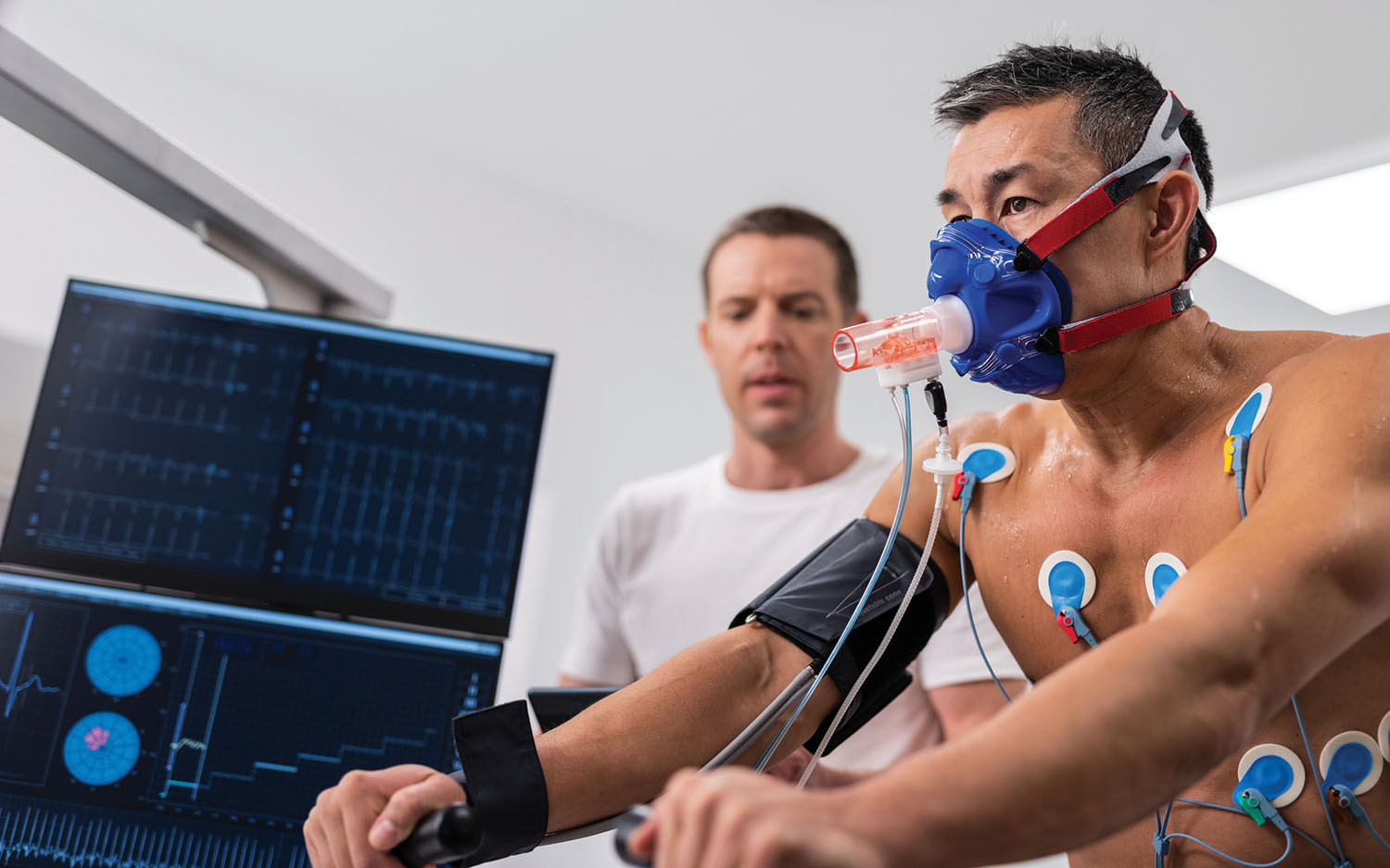
Unmasking the varied causes of breathlessness and fatigue
Cardiopulmonary exercise testing (CPET) can help diagnose unusual causes of breathlessness, such as pulmonary hypertension or heart failure with preserved ejection fraction. CPET collects information about a person's heart and lung function to assess how the body responds to exercise. It may also help doctors better understand the lingering fatigue and breathlessness that sometimes occur after a COVID-19 infection.

A healthy drizzle: Olive oil linked to lower heart-related deaths
Consuming just a half-tablespoon or more of olive oil a day is linked to a lower risk of dying from heart disease and other chronic health conditions.

Magnesium and blood pressure: What's the evidence?
The FDA will allow companies to make certain health claims regarding the consumption of magnesium and a reduced risk of high blood pressure. But the evidence for the link is inconclusive and inconsistent.

Heart attack versus cardiac arrest
Heart attacks occur when a blocked coronary artery prevents blood flow to part of the heart. Cardiac arrest is caused by an electrical misfire that causes the heart to abruptly stop beating.
Healing after food poisoning
What is tempeh? Benefits, nutrition, and how to use it
Light exposure at night may raise risk for heart disease
Whole grains may improve several heart risk factors at once
A lumbar belt may help ease low back pain
Children of centenarians may stay healthier and live longer too, study finds
Signs of pneumonia: Sometimes vague and unexpected
The surprising link between ovarian cancer and the fallopian tubes
Using a vibration plate: What it can — and can't — do for your body
People who walk more or walk faster live longer, study finds
Free Healthbeat Signup
Get the latest in health news delivered to your inbox!
Sign Up
