

Healing after food poisoning

What is tempeh? Benefits, nutrition, and how to use it

Light exposure at night may raise risk for heart disease

Whole grains may improve several heart risk factors at once

A lumbar belt may help ease low back pain

Children of centenarians may stay healthier and live longer too, study finds

Signs of pneumonia: Sometimes vague and unexpected

The surprising link between ovarian cancer and the fallopian tubes

Using a vibration plate: What it can — and can't — do for your body

People who walk more or walk faster live longer, study finds
Heart Failure Archive
Articles

When the doctor becomes the patient: A transformative experience
A doctor's serious health threat prompts reflection on the power of spirituality, the value of mindfulness practice, and acknowledgment of mortality as a motivator to reassess one's priorities.
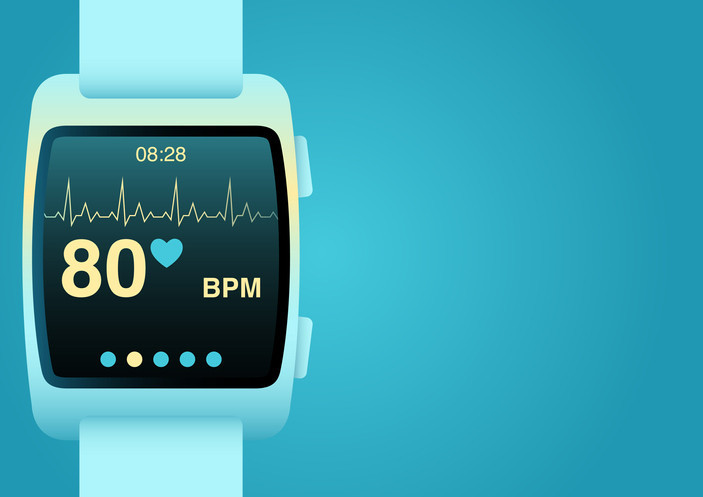
Harvard Health Ad Watch: How helpful are pulse monitors and home ECGs?
Ads for consumer health monitoring devices make it seem like having ready and regular access to heart rate, heart rhythm, and electrocardiogram data is something everyone needs. While it may help some people with existing heart conditions, how about for an average person without such a concern?

Coffee and your blood pressure


Exercise may heal the heart as well as prevent future problems
Exercise may help to reverse some types of heart damage. Not only can workouts prevent heart problems, but it may help to improve conditions that may raise risk for cardiovascular events. A 2021 study, for example, showed that a yearlong exercise program helped improve heart health in people who were at increased risk for heart failure.
Is there such a thing as a silent stroke?
It is possible to experience a stroke without symptoms. Addressing cardiovascular risk factors can help lower the risk.

Seasonal changes and blood pressure
Some people with borderline high blood pressure have higher readings during winter, even high enough to need medicine to control it. In spring or summer, they might be able to reduce the dose or stop taking the medication. Losing excess weight and cutting back on salt also can help.

Don't fail your heart health
The most common type of heart failure in older adults is heart failure with preserved ejection fraction. This is caused by the heart's left ventricle not being able to relax, which means less blood enters the chamber, so less gets pumped out. Prevention and treatments continue to evolve, but include controlling blood pressure, addressing weight gain with exercise and diet, not smoking, and curbing alcohol intake.

FDA urges the food industry to cut back on salt
The FDA called for the food industry to voluntarily cut the amount of sodium in processed, packed, and prepared foods. Those products provide about 70% of the sodium in the typical American diet.

Chemical in plastics and personal care products linked to heart disease
Exposure to chemicals called phthalates, found in commonly used plastics, may be linked to a higher risk of dying from cardiovascular disease.
Healing after food poisoning
What is tempeh? Benefits, nutrition, and how to use it
Light exposure at night may raise risk for heart disease
Whole grains may improve several heart risk factors at once
A lumbar belt may help ease low back pain
Children of centenarians may stay healthier and live longer too, study finds
Signs of pneumonia: Sometimes vague and unexpected
The surprising link between ovarian cancer and the fallopian tubes
Using a vibration plate: What it can — and can't — do for your body
People who walk more or walk faster live longer, study finds
Free Healthbeat Signup
Get the latest in health news delivered to your inbox!
Sign Up
