

Healing after food poisoning

What is tempeh? Benefits, nutrition, and how to use it

Light exposure at night may raise risk for heart disease

Whole grains may improve several heart risk factors at once

A lumbar belt may help ease low back pain

Children of centenarians may stay healthier and live longer too, study finds

Signs of pneumonia: Sometimes vague and unexpected

The surprising link between ovarian cancer and the fallopian tubes

Using a vibration plate: What it can — and can't — do for your body

People who walk more or walk faster live longer, study finds
Heart Failure Archive
Articles

Brushing off heart failure symptoms
Heart failure symptoms, such as being tired or out of breath, gaining weight, or having swollen ankles, can be overlooked and attributed to other causes. As a result, heart failure is not usually diagnosed until months or years later, when a person is hospitalized for it. By that point, the risk for dying from heart failure has already risen significantly, sometimes higher than the risk of death from cancer. Someone who has potential heart failure symptoms should talk to a doctor, especially if symptoms are new and if the person has diabetes, heart disease, high blood pressure, obesity, or an unhealthy lifestyle.
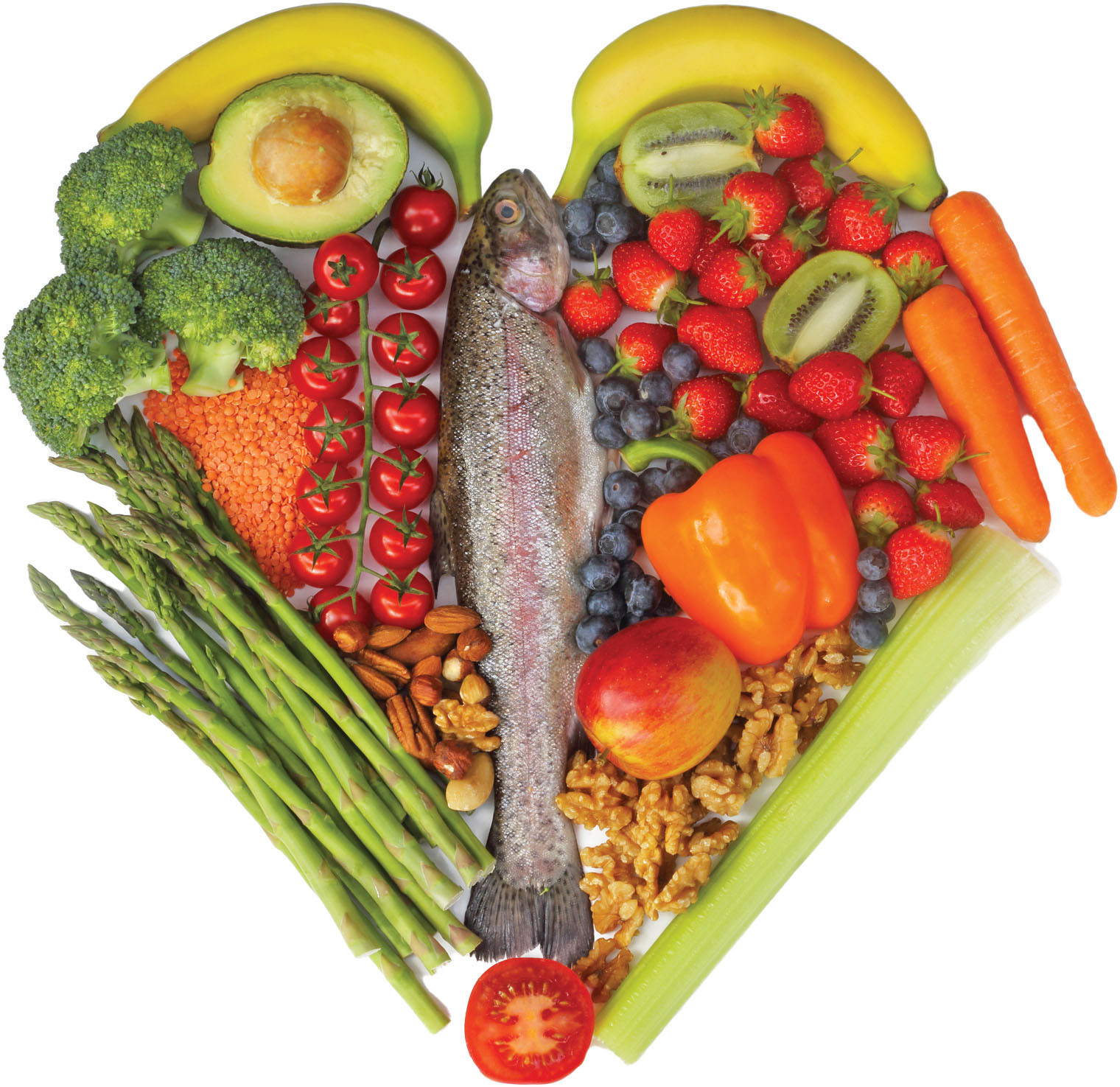
Preventing repeat heart attacks: Mediterranean vs. low-fat diet
For people with heart disease, a Mediterranean diet prevents future heart problems better than a low-fat diet.

Happy heart syndrome: Even positive stress can affect the heart
Grief, fear, conflict, or other negative emotions can lead to an unusual type of heart attack, commonly known as broken heart syndrome. Rarely, positive emotions can also trigger the problem—and this "happy heart syndrome" may be more prevalent among men.

What's driving heart attacks in younger adults?
Seven factors appear to account for most first heart attacks in people ages 55 and younger: diabetes, depression, high blood pressure, current smoking, family history of early heart attack, low household income, and high cholesterol.

Artificial intelligence: Advancing into cardiology
Machine learning, a key aspect of artificial intelligence (AI), may improve the diagnosis of heart disease by analyzing large amounts of data from chest CT scans, echocardiograms, and electrocardiograms. By recognizing patterns, the machine "learns" and becomes more accurate over time. Current projects include diagnosing coronary artery disease with stress echocardiography and detecting multiple heart rhythm disorders from electrocardiograms in different formats and layouts.

Meal of the month: Summer supper on the grill
A backyard barbeque can be a good way for people to include more vegetables in their evening meal. Good choices include whole portabella mushroom caps, asparagus, sweet peppers, onions, and zucchini.

What happens during electrical cardioversion?
Electrical cardioversion is a procedure that uses low-energy shocks to convert a rapid or irregular heartbeat back to a normal rhythm. People remain asleep during the brief procedure, so they don't feel anything.

Too little sleep may be hard on your heart
Not getting sufficient sleep may harm the cardiovascular system by triggering physiological and hormonal changes that increase blood pressure, blood sugar, and blood levels of substances that indicate inflammation. People who don't regularly get at least seven hours of sleep a night should assess their daily habits to look for ways to improve, such as by establishing an earlier bedtime and turning off all electronic devices at least an hour before bedtime.

How a fiber-rich diet promotes heart health
Fiber-rich diets may lower the risk of heart attack and stroke, in part by decreasing inflammation. This benefit appears to be facilitated by the breakdown of prebiotic fiber in the gut microbiome to create short-chain fatty acids. These compounds circulate through the bloodstream and interact with specific receptors on cells that quell inflammation. Short-chain fatty acids may also play a role in keeping blood sugar, blood pressure, and cholesterol levels in check, as well as helping to prevent harmful blood clotting.

A safer way to diagnose coronary artery disease?
Cardiac CT angiography (CCTA), a noninvasive test to check for clogged heart arteries, is now considered a first-line test for people with suspected heart disease. This test uses a CT scanner, which takes multiple, rapid x-rays that are merged together to create a detailed, three-dimensional view of the heart's arteries. CCTA appears to be just as effective as traditional angiography for detecting and preventing heart attacks, strokes, and death from heart disease, but with fewer procedure-related risks.
Healing after food poisoning
What is tempeh? Benefits, nutrition, and how to use it
Light exposure at night may raise risk for heart disease
Whole grains may improve several heart risk factors at once
A lumbar belt may help ease low back pain
Children of centenarians may stay healthier and live longer too, study finds
Signs of pneumonia: Sometimes vague and unexpected
The surprising link between ovarian cancer and the fallopian tubes
Using a vibration plate: What it can — and can't — do for your body
People who walk more or walk faster live longer, study finds
Free Healthbeat Signup
Get the latest in health news delivered to your inbox!
Sign Up
