

Healing after food poisoning

What is tempeh? Benefits, nutrition, and how to use it

Light exposure at night may raise risk for heart disease

Whole grains may improve several heart risk factors at once

A lumbar belt may help ease low back pain

Children of centenarians may stay healthier and live longer too, study finds

Signs of pneumonia: Sometimes vague and unexpected

The surprising link between ovarian cancer and the fallopian tubes

Using a vibration plate: What it can — and can't — do for your body

People who walk more or walk faster live longer, study finds
Heart Failure Archive
Articles

Severe neck pain: A signal of something serious?
Cervical artery dissection, a rare but potentially devastating cause of stroke, is a tear in the lining of one of the main arteries that carry blood to the brain. Any sudden, jerky neck movements, including chiropractic neck adjustments and whiplash from a car accident, can cause such a tear. Cervical artery dissections also have been reported after strenuous weight lifting, tennis, head-flinging dance moves, yoga, and roller coaster rides. The dissections occur in only about three in 100,000 people per year, but they are one of the most common causes of stroke in younger people.

Decoding the price of heart tests and procedures
Prices for six common heart tests and procedures at top-ranked U.S. hospitals showed surprisingly wide variations, according to a 2022 Harvard study. There was a 10-fold difference in the median prices patients pay for a heart ultrasound, and even larger disparities for procedures such as implanting a pacemaker. The differences may reflect power dynamics between hospitals and insurance companies. For both entities, factors such as location, size, and popularity influence that dynamic — which, in turn, affects the market dynamics that dictate costs.

Meal of the month: Thanksgiving
A long, leisurely meal like Thanksgiving can be a good opportunity to practice mindful eating. Being mindful simply means bringing close attention and awareness to the present moment, without judgment.
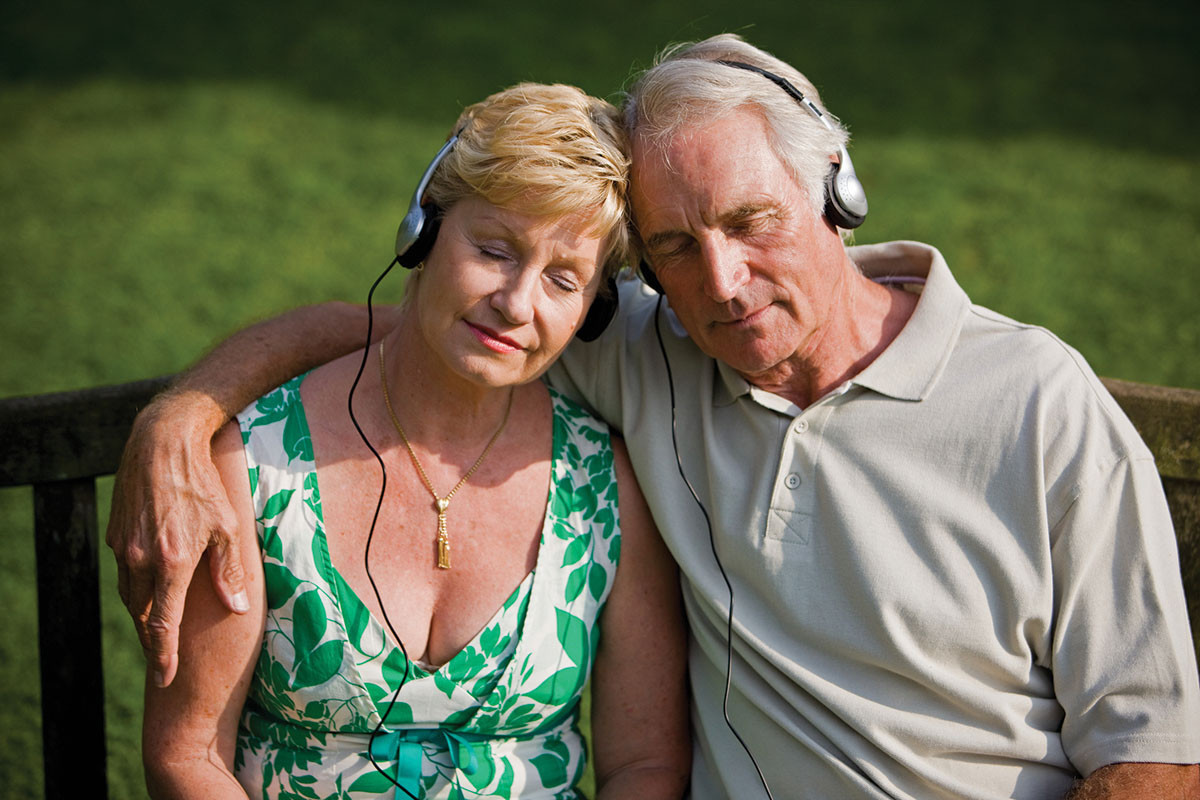
Put a song in your heart
Listening to music (or singing or playing an instrument) may benefit cardiovascular health. Evidence suggests music helps rebalance the nervous system to promote the relaxation response and dampen the stress response. The benefits may result from greater heart rate variability, enhanced exercise performance, lower stress hormone levels, or reductions in blood pressure.

The Essential 8: Enhanced advice for a healthy heart
The American Heart Association revamped its online tool, My Life Check, designed to help people prevent cardiovascular disease. Along with other changes, the AHA added healthy sleep duration to the list of seven other factors assessed by the tool. Those factors are maintaining a healthy weight, not smoking, being physically active, eating a healthy diet, and keeping blood pressure, blood sugar, and cholesterol at acceptable levels. Each factor (now known as Life's Essential 8) are scored on a scale of 1 to 100 and used to generate a composite cardiovascular health score.

Trying to lower stubbornly high LDL cholesterol?
Elevated LDL cholesterol contributes to cardiovascular disease. Taking statin drugs can substantially lower this risk. But what if a person's LDL level remains too high on their maximally tolerated dose? An expert consensus report lays out a clear path for next steps.

Heart health guidelines get updated
The American Heart Association recently revised its checklist for achieving optimal heart health. Adequate sleep was added, and updates were made to previous recommendations for diet, cholesterol and blood sugar measurements, and nicotine exposure.

Your guide to taking statins
Statins continue to be a first-line treatment for many people at risk of heart attacks and strokes. They help reduce cholesterol levels, reduce plaque build-up, and protect against plaque rupturing, and fight inflammation. Possible side effects are often mild, if they occur, and go away after a brief period. Otherwise, people can manage them by changing the dosage or switching to another type of statin, per their doctor's direction.

Atrial fibrillation after surgery: Common and undertreated?
After surgery unrelated to the heart, a diagnosis of atrial fibrillation (afib) may be more common than previously thought. These cases, which may constitute 13% of new afib diagnoses, appear to be undertreated.

Light during sleep linked to conditions that harm the heart
Older adults exposed to light while sleeping at night may be more likely to have obesity, high blood pressure, and diabetes compared with adults who sleep in darkness.
Healing after food poisoning
What is tempeh? Benefits, nutrition, and how to use it
Light exposure at night may raise risk for heart disease
Whole grains may improve several heart risk factors at once
A lumbar belt may help ease low back pain
Children of centenarians may stay healthier and live longer too, study finds
Signs of pneumonia: Sometimes vague and unexpected
The surprising link between ovarian cancer and the fallopian tubes
Using a vibration plate: What it can — and can't — do for your body
People who walk more or walk faster live longer, study finds
Free Healthbeat Signup
Get the latest in health news delivered to your inbox!
Sign Up
