

Light exposure at night may raise risk for heart disease

Whole grains may improve several heart risk factors at once

A lumbar belt may help ease low back pain

Children of centenarians may stay healthier and live longer too, study finds

Signs of pneumonia: Sometimes vague and unexpected

The surprising link between ovarian cancer and the fallopian tubes

Using a vibration plate: What it can — and can't — do for your body

People who walk more or walk faster live longer, study finds

For sleep apnea, a dental device may be as effective as CPAP

Rosacea treatments: What works?
Heart Failure Archive
Articles

A cold drink may trigger an episode of atrial fibrillation
For some people with atrial fibrillation, cold drinks and foods can trigger a bout of the rapid, irregular heartbeat that characterizes the disorder. Avoiding those triggers nearly always prevents this phenomenon, dubbed "cold drink heart."

The future of blood pressure monitoring: Cuffless devices
Many devices that measure blood pressure without an inflatable arm cuff are in development, including a wristband recently cleared by the FDA for over-the-counter sale. It relies on a light-based sensor to detect changes in the amount of blood flowing through the vessels of the inner wrist, a technique known as photoplethysmography. But the devices have to be periodically calibrated, and as yet, there are no standards to validate the accuracy of cuffless devices.

A 5-step plan to eat more produce
Few people get the recommended two fruits and three vegetables per day. Tips for helping people add more produce into their diets include starting small (making just one minor addition or substitution at a time and sticking with it for several weeks); choosing smarter snacks (like hummus and carrots or apples and peanut butter); sneaking pureed vegetables into pasta and other dishes; making smoothies and soups; and relying on frozen fruits and vegetables.
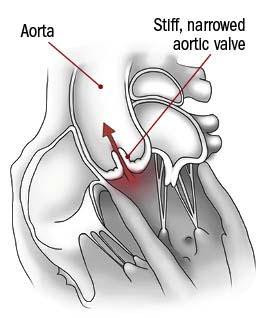
Can you slow down stenosis of the aortic valve?
There are no medications to treat aortic stenosis (narrowing of the aortic valve), but several possibilities are currently being studied, including a class of drugs to treat diabetes and others that lower high lipoprotein(a) blood levels.

Marijuana linked to doubled risk of cardiovascular death
In a 2025 analysis involving about 200 million people, those who used cannabis had a 29% higher risk for sudden heart attacks or angina and twice the risk of premature death from cardiovascular disease, compared with people who didn't use cannabis.
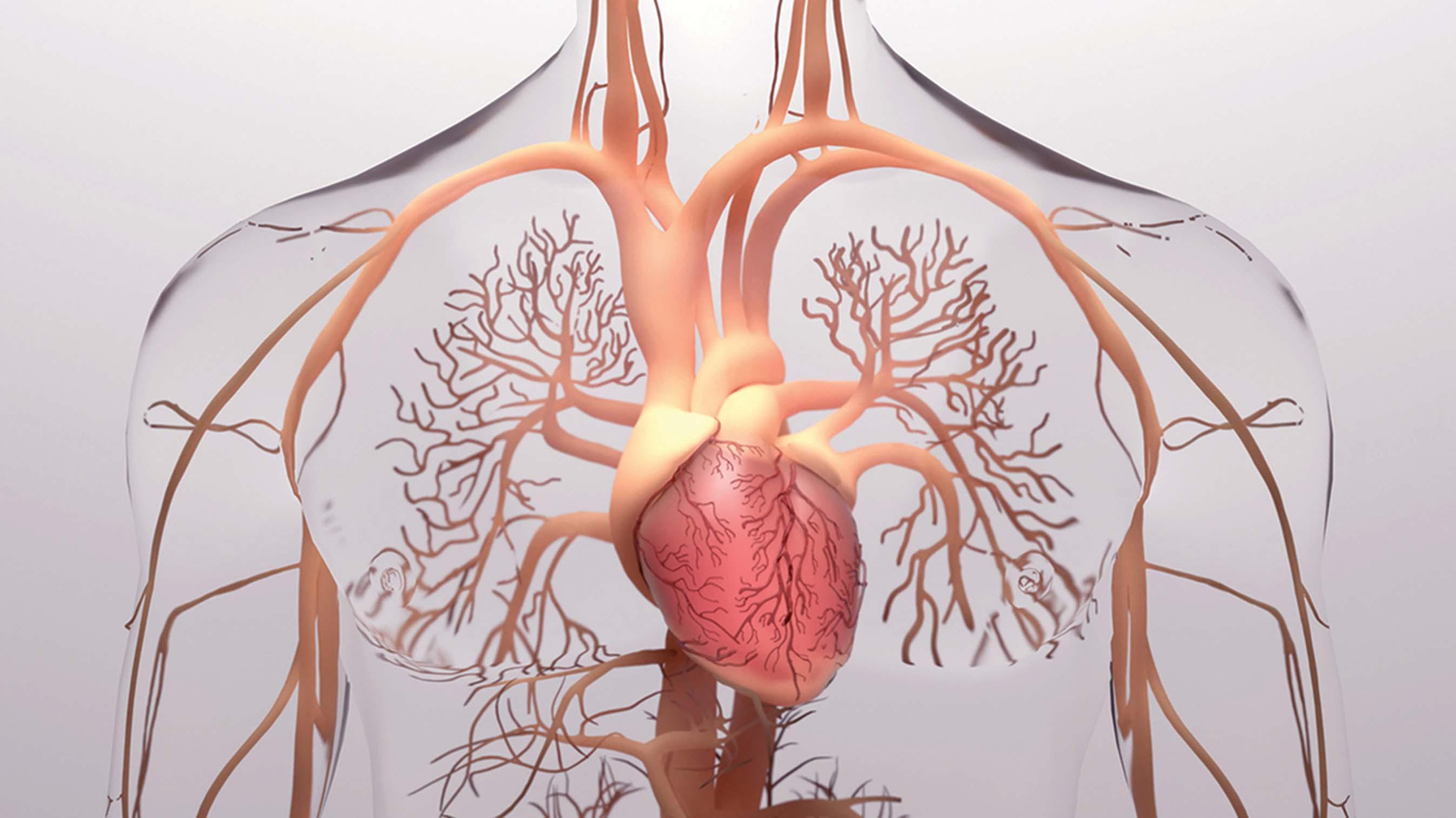
The changing nature of coronary artery disease
Growing numbers of people have microvascular disease, which is caused by problems in the network of tiny blood vessels in the heart rather than blockages in the heart's major arteries. Evidence for this trend comes from large studies using diagnostic imaging tests coupled with heart disease registry data. Experts believe today's higher rates of obesity, diabetes, high blood pressure, and chronic kidney disease is changing how cardiovascular disease is manifested.

High levels of ocean microplastics linked to heart-related risks
According to a 2025 study, people living near coastlines with high levels of marine microplastics had higher rates of heart disease than those living close to coastlines with less plastic pollution.
People with Lp(a) gene variant may benefit from daily aspirin
An inexpensive blood test that checks for a genetic variant of Lp(a)-a fatty particle similar to LDL cholesterol-may help clarify who might benefit from a daily low-dose aspirin, according to a 2025 review of study findings.
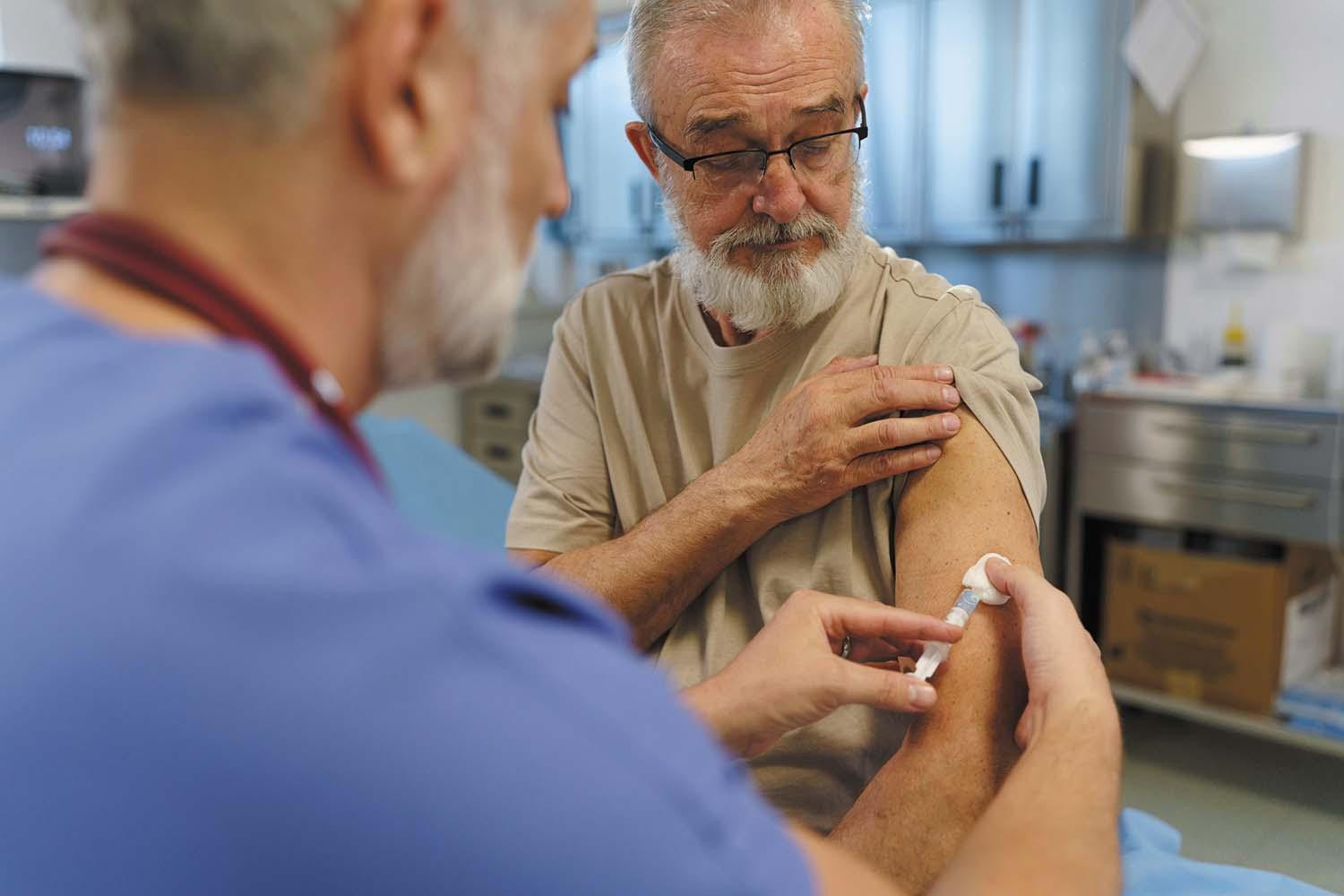
Infections, vaccines, and heart disease: What you need to know
Getting vaccinated against influenza (flu), COVID-19, and pneumonia is especially important for people who have cardiovascular disease. The coughing and congestion that commonly occur with respiratory infections can make breathing more difficult, and the potential drop in oxygen puts added stress on the heart. Serious infections sometimes trigger sepsis, which happens when the immune system is overwhelmed or goes into overdrive, causing symptoms such as a rapid heart rate, very fast breathing, and low blood pressure. These complications can lead to a heart attack.
Staying healthy after a heart procedure
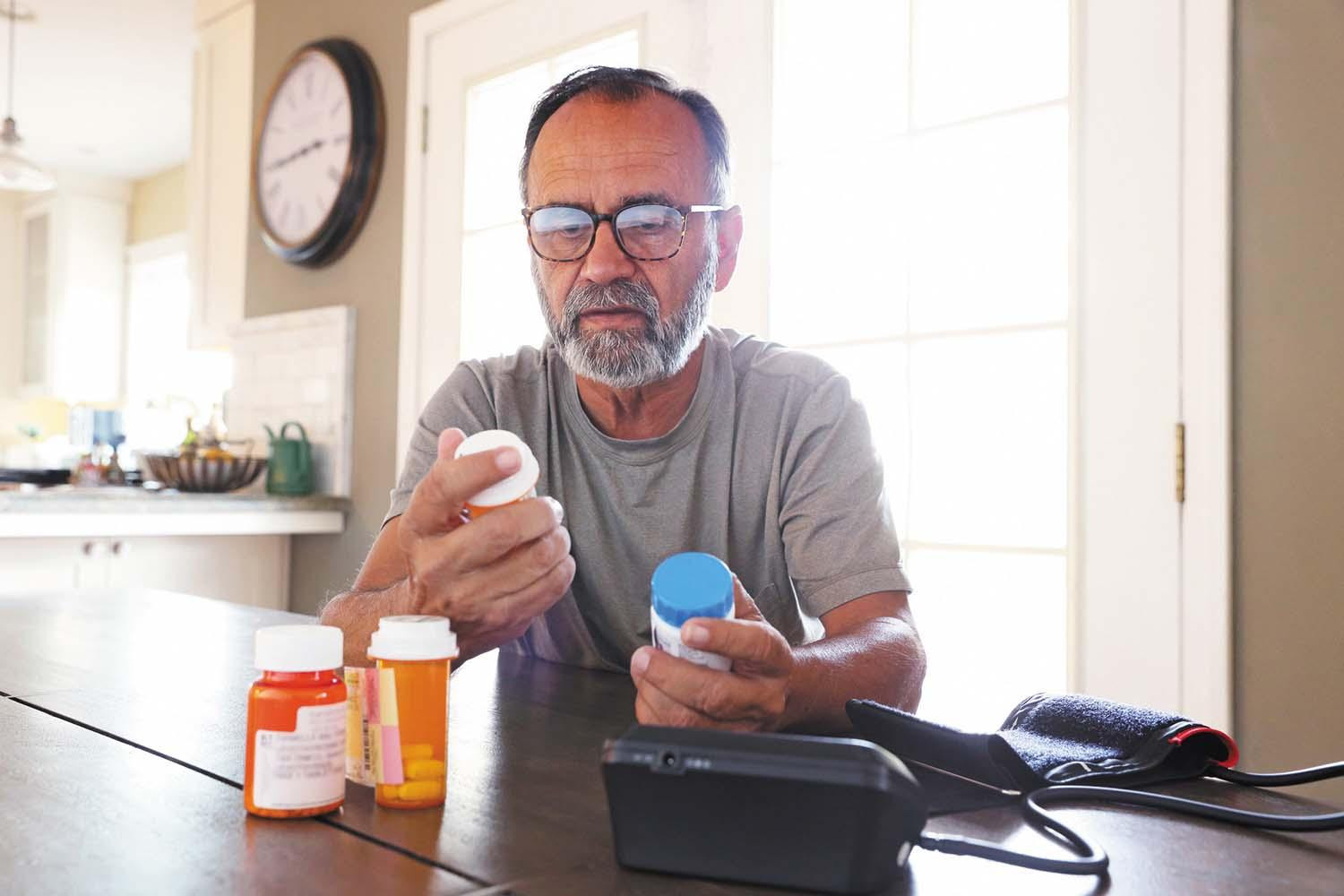
After common heart procedures or surgeries, medications to help prevent heart attacks and strokes are essential. These include a combination of drugs to prevent blood clots (which is known as dual antiplatelet therapy and usually taken for just one year); drugs to lower LDL cholesterol down to 70 milligrams per deciliter or lower; and drugs to keep blood pressure and blood sugar in a healthy range.
Light exposure at night may raise risk for heart disease
Whole grains may improve several heart risk factors at once
A lumbar belt may help ease low back pain
Children of centenarians may stay healthier and live longer too, study finds
Signs of pneumonia: Sometimes vague and unexpected
The surprising link between ovarian cancer and the fallopian tubes
Using a vibration plate: What it can — and can't — do for your body
People who walk more or walk faster live longer, study finds
For sleep apnea, a dental device may be as effective as CPAP
Rosacea treatments: What works?
Free Healthbeat Signup
Get the latest in health news delivered to your inbox!
Sign Up
