

Light exposure at night may raise risk for heart disease

Whole grains may improve several heart risk factors at once

A lumbar belt may help ease low back pain

Children of centenarians may stay healthier and live longer too, study finds

Signs of pneumonia: Sometimes vague and unexpected

The surprising link between ovarian cancer and the fallopian tubes

Using a vibration plate: What it can — and can't — do for your body

People who walk more or walk faster live longer, study finds

For sleep apnea, a dental device may be as effective as CPAP

Rosacea treatments: What works?
Heart Failure Archive
Articles
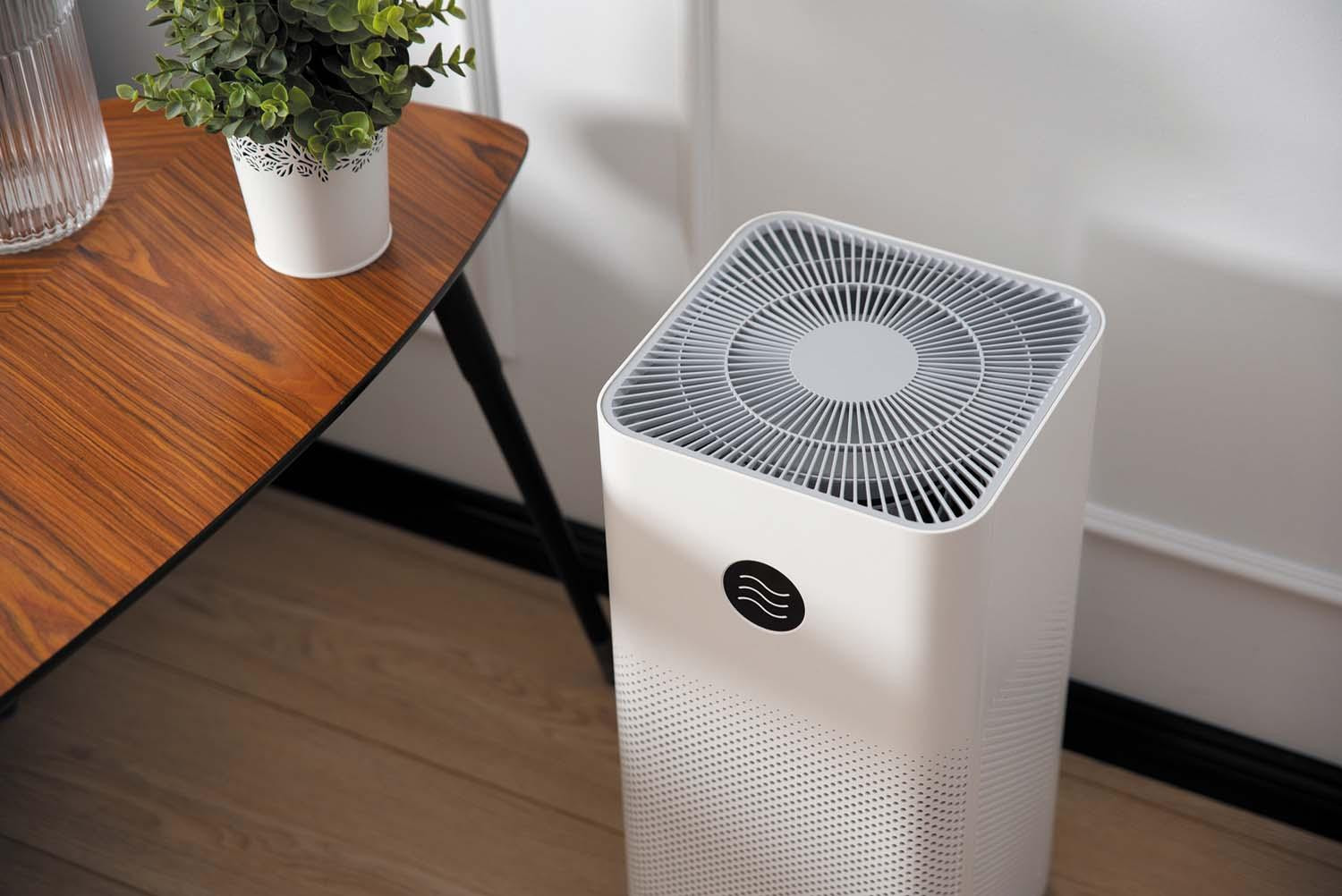
Indoor air quality and heart health
A 2025 study found that using a high-efficiency particulate air (HEPA) filter to trap tiny particle pollutants may help lower blood pressure for people living near busy roads. Of particular concern are particles less than 2.5 microns in diameter, known as PM2.5, which creates inflammation that damages blood vessels and contributes to high blood pressure. Nearly a quarter of Americans live near vehicle-congested roads, and many more people are exposed to pollution from wildfire smoke.
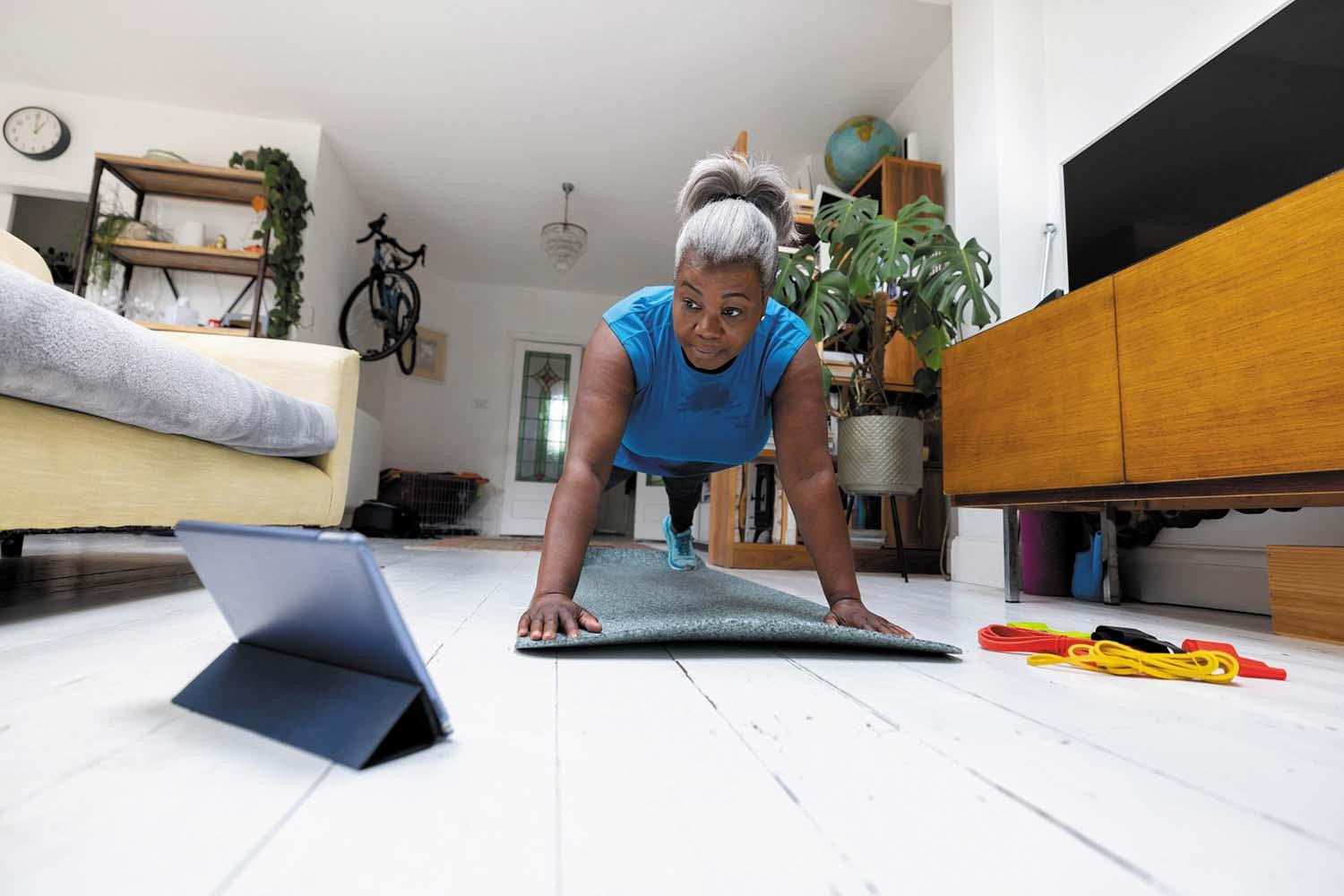
Mind your heart for a longer, healthier life
Simple, proven strategies to live a longer, healthier life can help people become super-agers, defined as people who reach the age of 70 without any major diseases such as heart disease, cancer, or dementia. These habits include doing strength training to preserve muscle mass, eating a mostly vegetarian diet that provides many healthful nutrients, and prioritizing healthy sleep habits.
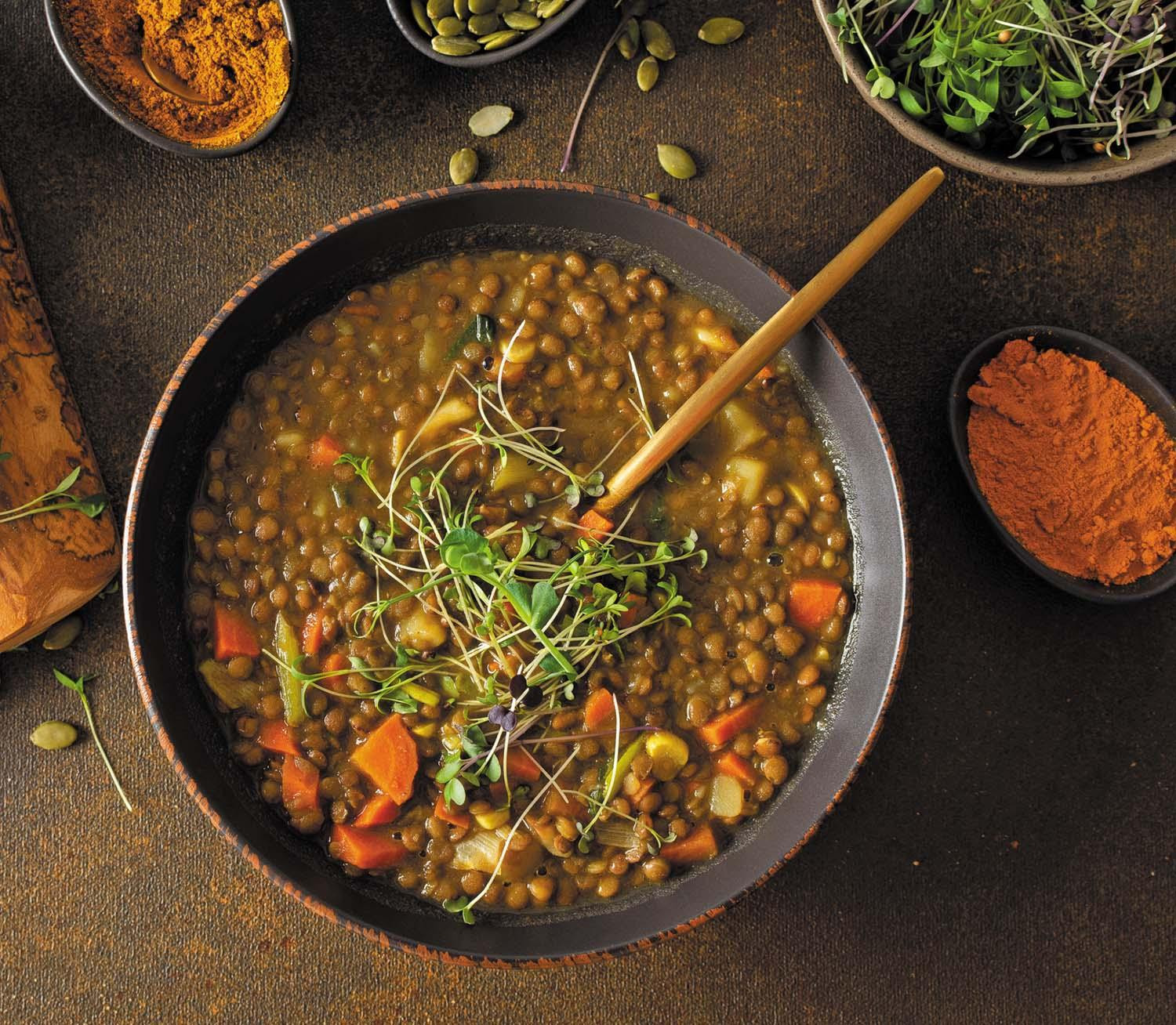
An Indian adaptation of the Mediterranean diet
An Indian-adapted Mediterranean diet includes vegetarian-focused meals flavored with an array of vibrant spices. The fiber-rich meals contain anti-inflammatory compounds that may provide heart-related health benefits. Healthy protein sources include legumes, featured in dishes such as chana masala (chickpeas in a tomato-based sauce) and dal (a soupy stew made from dried split lentils or peas). Tomatoes, eggplant, and peppers appear often in both the Mediterranean diet and the Indian-adapted version, as do leafy greens such as spinach.

What is venous insufficiency?
Venous insufficiency can cause swelling in the lower legs and feet, a sense of heaviness in the legs, and in some cases, skin discoloration. Treatments include elevating the legs, walking, and wearing compression stockings.

The new blood pressure guidelines: What you need to know
The 2025 blood pressure guidelines recommend starting drugs to treat hypertension if people don't meet blood pressure goals after three to six months of lifestyle changes. The guidelines also recommend that everyone with high blood pressure be screened for primary aldosteronism, and suggest that people with resistant hypertension (stubbornly high blood pressure) consider renal denervation, a procedure that disrupts some of the nerves around the arteries supplying blood to the kidneys.
When and why you need drugs for atrial fibrillation
Many people with atrial fibrillation (afib) - a rapid, irregular heart rhythm - need to control symptoms, such as the feeling that the heart is racing or fluttering. Medication options include drugs that slow down the heart or help restore its rhythm. Because afib can also increase the risk of blood clots that can lead to a stroke, many of these people also need to take clot-preventing medications.

Is an apoB test a better way to check your cholesterol?
An apolipoprotein B (apoB) test counts the number of LDL particles in the bloodstream as well as other particles that can contribute to clogged arteries and heart attacks. All of these so-called atherogenic particles carry a single apoB molecule but varying amounts of cholesterol. ApoB values are more closely linked to heart disease risk than LDL cholesterol. People with signs of an unhealthy metabolism-such as prediabetes, a big belly, or elevated triglycerides-are far more likely to have a high apoB.

Beta blockers: Who benefits from these common drugs?
Doctors have long prescribed drugs called beta blockers to all heart attack survivors. These drugs, which slow down the heart and lower blood pressure, include atenolol (Tenormin) and metoprolol (Lopressor, Toprol). Growing evidence suggests that these drugs offer no meaningful benefit for people whose hearts still pump normally after a heart attack. Sometimes, however, a heart attack leaves the left ventricle (the heart’s main pumping chamber) unable to contract effectively. When that’s the case, beta blockers are still recommended.
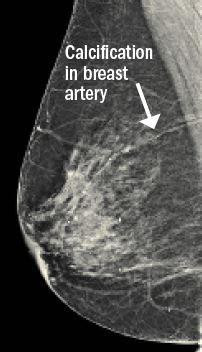
Machine learning used on mammograms may help predict heart disease
A type of artificial intelligence that uses a deep machine learning tool to analyze different features from routine mammograms can predict a woman's risk of heart-related problems, according to a 2025 analysis.

Nearly everyone has at least one risk factor before a heart attack, heart failure, or stroke
A 2025 study suggests that more than 99% of people who have a first-time heart attack, stroke, or heart failure have at least one of four risk factors: unhealthy blood pressure, cholesterol, or blood sugar levels, or past or present smoking.
Light exposure at night may raise risk for heart disease
Whole grains may improve several heart risk factors at once
A lumbar belt may help ease low back pain
Children of centenarians may stay healthier and live longer too, study finds
Signs of pneumonia: Sometimes vague and unexpected
The surprising link between ovarian cancer and the fallopian tubes
Using a vibration plate: What it can — and can't — do for your body
People who walk more or walk faster live longer, study finds
For sleep apnea, a dental device may be as effective as CPAP
Rosacea treatments: What works?
Free Healthbeat Signup
Get the latest in health news delivered to your inbox!
Sign Up
