

Light exposure at night may raise risk for heart disease

Whole grains may improve several heart risk factors at once

A lumbar belt may help ease low back pain

Children of centenarians may stay healthier and live longer too, study finds

Signs of pneumonia: Sometimes vague and unexpected

The surprising link between ovarian cancer and the fallopian tubes

Using a vibration plate: What it can — and can't — do for your body

People who walk more or walk faster live longer, study finds

For sleep apnea, a dental device may be as effective as CPAP

Rosacea treatments: What works?
Heart Failure Archive
Articles
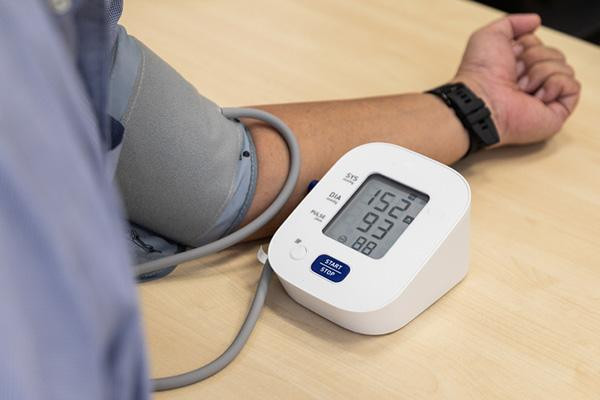
Many people lack knowledge about high blood pressure
A 2025 survey suggests that many adults don't have a good understanding of high blood pressure, including not knowing what reading signifies high blood pressure and confusion about symptoms related to the condition.

A new risk calculator estimates your heart's age
A free online tool that estimates your heart's age suggests that most adults have a heart that is older than their chronological age, according to a 2025 study.

Ultra-processed foods linked to plaque buildup in neck arteries
A diet high in ultra-processed foods is linked to higher burden of fatty plaque in the carotid arteries, according to a 2025 study.

How the body's internal clocks influence heart health
Circadian rhythms, which are hardwired into nearly every cell of the body, regulate the heart and blood vessels. Disruptions to this rhythm-from shift work, poor sleep, or unhealthy habits-can raise the risk of cardiovascular disease. For example, heart attacks are more likely to occur on Mondays than any other day of the week. That's because people tend to stay up later than usual and then sleep in the next day. On Monday morning, when they have to wake up early again for work, the change may cause subtle changes in blood pressure, hormone secretion, and metabolism that raise heart attack risk.

The five factors that drive heart disease
A 2025 study finds that smoking and high blood pressure are the two most important factors driving heart disease risk. Together with high cholesterol, excess weight (or being underweight), and diabetes, these five factors account for about 50% of the burden of cardiovascular disease. Compared to people with all five risk factors at age 50, those who had none of the factors were far less likely to develop cardiovascular disease or die early. On average, women with none of the risks at midlife lived 13 more years without heart disease, while men lived an additional 11 years.
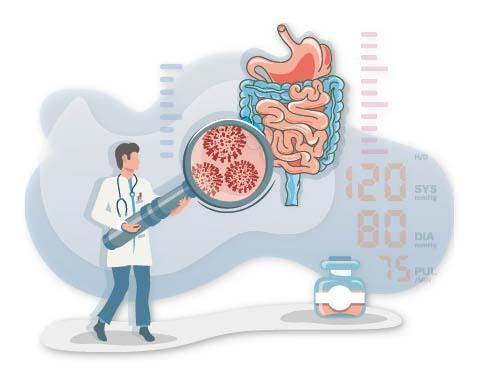
How a healthy gut benefits your blood pressure
A diet low in sodium and rich in plant-based foods promotes a diverse, balanced population of gut microbes, which may help people maintain a healthy blood pressure. A salty diet increases the prevalence of bad microbes and reduces the number of beneficial microbes. When bad microbes accumulate in the gut, they form breakdown products and toxins that promote inflammation. Beneficial microbes feed on fiber, which is why a diet that provides a mix of healthy fiber from plant-based foods helps. These microbes produce short-chain fatty acids, which interact with specific receptors on cells that help regulate blood pressure.

Higher fitness levels may protect against atrial fibrillation
A 2025 study suggests that higher fitness levels may help protect people from developing atrial fibrillation.

The hidden heart danger of insufficient sleep
Insufficient sleep triggers a long list of physiological and hormonal changes that contribute to heart disease. For example, a lack of sleep can cause increases in blood pressure, blood sugar, inflammation, and weight. Doctors recommend getting at least seven hours of uninterrupted sleep per night. Strategies that promote better sleep include going to bed and waking up at the same time every day, creating a healthy sleep environment, and turning off electronics an hour before bedtime.

Enjoy eggs - just skip the bacon
Eating two eggs per day doesn't appear to raise harmful LDL cholesterol, as long as people follow a diet low in saturated fat. Although eggs are high in cholesterol, dietary cholesterol doesn't have much of an effect on the amount in a person's bloodstream. But excess dietary saturated fat does raise blood cholesterol, which is why people should limit their saturated fat to 7% of their daily calories.
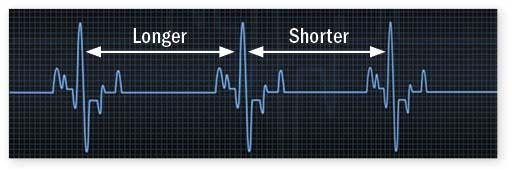
How relevant is heart rate variability?
Heart rate variability (HRV) is a measure of the tiny fluctuations in timing from one heartbeat to the next. Higher values are linked to better fitness levels and stress resilience.
Light exposure at night may raise risk for heart disease
Whole grains may improve several heart risk factors at once
A lumbar belt may help ease low back pain
Children of centenarians may stay healthier and live longer too, study finds
Signs of pneumonia: Sometimes vague and unexpected
The surprising link between ovarian cancer and the fallopian tubes
Using a vibration plate: What it can — and can't — do for your body
People who walk more or walk faster live longer, study finds
For sleep apnea, a dental device may be as effective as CPAP
Rosacea treatments: What works?
Free Healthbeat Signup
Get the latest in health news delivered to your inbox!
Sign Up
