

Light exposure at night may raise risk for heart disease

Whole grains may improve several heart risk factors at once

A lumbar belt may help ease low back pain

Children of centenarians may stay healthier and live longer too, study finds

Signs of pneumonia: Sometimes vague and unexpected

The surprising link between ovarian cancer and the fallopian tubes

Using a vibration plate: What it can — and can't — do for your body

People who walk more or walk faster live longer, study finds

For sleep apnea, a dental device may be as effective as CPAP

Rosacea treatments: What works?
Heart Failure Archive
Articles

The many dimensions of a good night's sleep
Getting a sufficient amount of sleep is vital for heart health, but sleep continuity, timing, and regularity may also be important. Irregularities in these lesser-known dimensions of sleep health are not considered problems unless they impair a person's ability to function and quality of life. But emerging evidence suggest these sleep issues may affect cardiometabolic health. A sleep diary can help uncover potential issues.
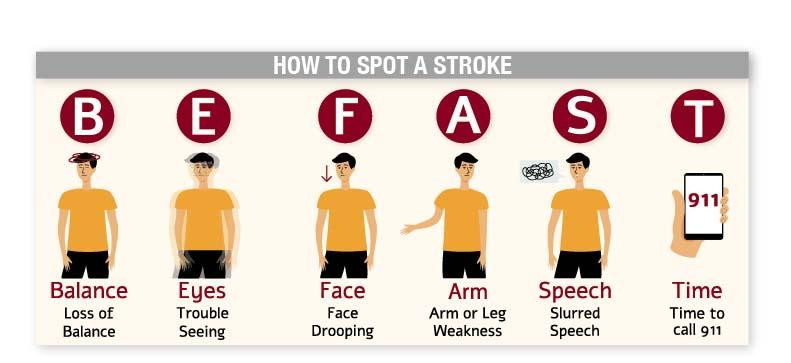
Brief brain attacks: Short symptoms, long consequences
A 2025 study finds that a first-time transient ischemic attack (TIA) can lead to the same long-term decline in thinking and memory problems as a full-blown stroke. Experts suggest cognitive testing after a TIA. People who have TIAs should take extra care to address risk factors for heart attack and stroke, such as high blood pressure and high cholesterol. Exercising regularly and staying socially active may help ward off cognitive decline.
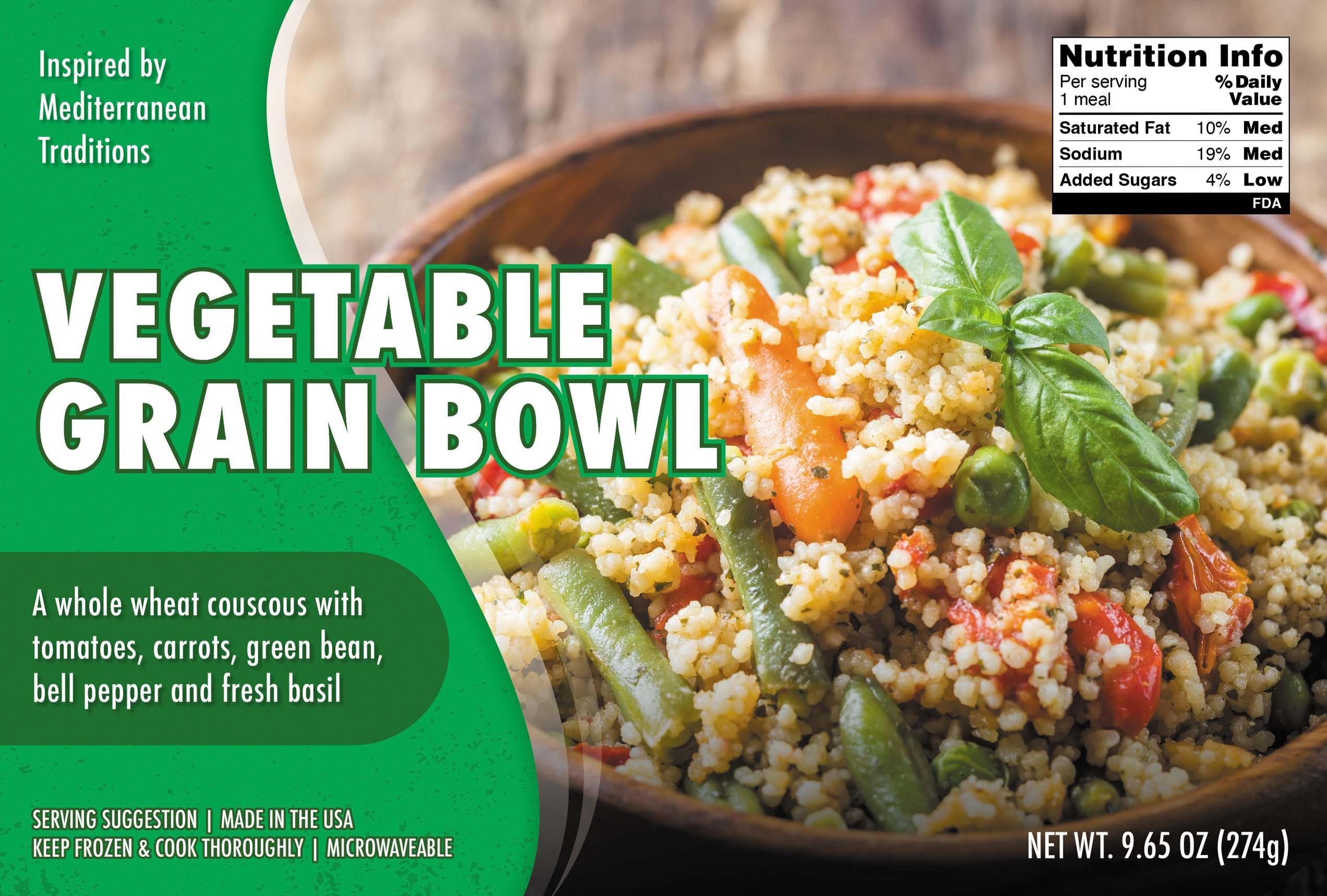
Food additives and heart health
Ultraprocessed packaged foods and drinks contain thickeners, preservatives, and other additives to improve their taste, texture, appearance, and shelf life. But the high amounts of salt, sugar, and fat in these products are probably more concerning for a person's health. Foods like sugary drinks and processed meats are the worst culprits. Eating a diet focused on whole, plant-based foods automatically lowers processed food intake and provides heart-protecting nutrients such as fiber, vitamins, and minerals.

Smarter, safer workouts with a wearable fitness tracker
Wearable fitness trackers like smart watches offer measurable and motivating data for exercise routines and safety, especially for people with heart conditions. Features include movement reminders, step counts (a daily total of 4,000 to 7,000 steps is considered beneficial), heart rate zones for exercise intensity, and measurements of heart rate recovery and variability to assess overall heart health. These tools can help optimize workouts and reveal potential issues.

What type of burgers are the healthiest?
Meatless burgers-which include plant-based meat alternatives like Beyond Burger and Impossible Burger and veggie burgers-are healthy replacements for traditional hamburgers. Those with the lowest amounts of saturated fat and sodium are the best options.
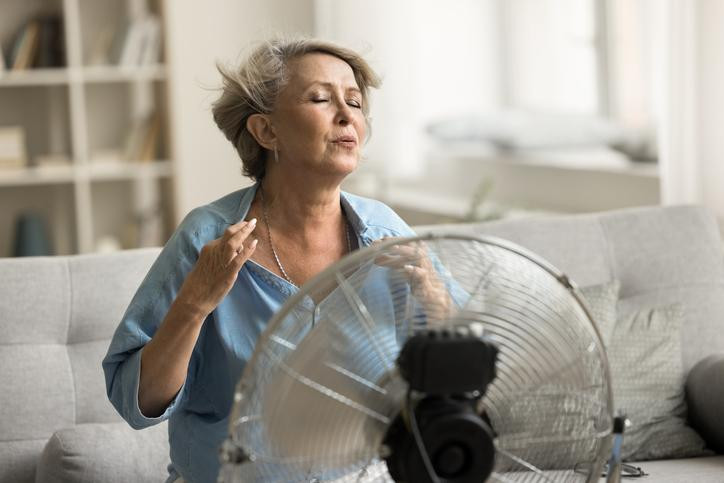
Extreme heat endangers older adults: What to know and do
The surge in heat waves and extreme heat poses serious health risks for everyone but is a particular worry for older adults. What can you do to manage heat-related risks, especially if you have existing health conditions or take certain medications?

Even a "weekend warrior" exercise pattern can lower heart risks
A 2025 study suggests that squeezing a week's worth of exercise (150 minutes) into just one or two days - a "weekend warrior" pattern - is linked to the same heart benefits as daily exercise.

Pill form of popular weight-loss drug lowers heart risks
A 2025 study found that a pill version of the drug semaglutide, marketed as Rybelsus, can lower the risk for serious heart problems in people who have diabetes as well as cardiovascular disease, kidney disease, or both.

Direct-to-consumer genetic tests for heart disease
Direct-to-consumer genetic tests can screen for rare heart conditions that arise from variants in a single gene (such as cardiomyopathies) as well as common conditions influenced by many thousands of gene variants (such as coronary artery disease). But because the results are not definitive, they can be challenging to interpret.

More than a stretch: How yoga can enhance heart health
A regular yoga practice may help people shed pounds while also improving their heart health. A form of low- to moderate-intensity aerobic exercise, yoga also stretches and strengthens muscles. A 2025 review article suggests that yoga can decrease body mass index, waist circumference, and body fat percentage while also improving blood pressure and cholesterol values.
Light exposure at night may raise risk for heart disease
Whole grains may improve several heart risk factors at once
A lumbar belt may help ease low back pain
Children of centenarians may stay healthier and live longer too, study finds
Signs of pneumonia: Sometimes vague and unexpected
The surprising link between ovarian cancer and the fallopian tubes
Using a vibration plate: What it can — and can't — do for your body
People who walk more or walk faster live longer, study finds
For sleep apnea, a dental device may be as effective as CPAP
Rosacea treatments: What works?
Free Healthbeat Signup
Get the latest in health news delivered to your inbox!
Sign Up
