

Healing after food poisoning

What is tempeh? Benefits, nutrition, and how to use it

Light exposure at night may raise risk for heart disease

Whole grains may improve several heart risk factors at once

A lumbar belt may help ease low back pain

Children of centenarians may stay healthier and live longer too, study finds

Signs of pneumonia: Sometimes vague and unexpected

The surprising link between ovarian cancer and the fallopian tubes

Using a vibration plate: What it can — and can't — do for your body

People who walk more or walk faster live longer, study finds
Heart Failure Archive
Articles

Heart attacks in younger women: Less treatment, more deaths
Image: Thinkstock
Research we're watching
Women who have heart attacks before age 60 may be less likely to receive a lifesaving procedure to restore blood flow to the heart (an angioplasty plus a stent) than men in that age group, according to a study in the Oct. 26, 2015, Journal of the American College of Cardiology. (Stents are tiny mesh tubes that help keep arteries open.)
Data for the study came from a nationwide sample of more than 630,000 people ages 18 to 59 who had heart attacks. Younger women also were more likely to die in the hospital compared with younger men (4.5% versus 3%, respectively). However, men may be more likely to die before reaching the hospital than women, which may partly explain that difference, the researchers say.

FDA approves antidote to anti-clotting drug
Research we're watching
For people who take anti-clotting drugs such as dabigatran (Pradaxa), one serious downside has been the rare but dangerous risk of uncontrolled bleeding in the event of an accident or urgently needed surgery. But in October, the FDA approved idarucizumab (Praxbind), a drug that quickly reverses the effects of dabigatran. Given by injection into a vein, the drug binds to dabigatran and neutralizes its effect, allowing the blood to clot normally.
Dabigatran was approved in 2010 to prevent strokes (most of which are caused by blood clots in the brain) in people with atrial fibrillation. It's also prescribed to prevent and treat venous thromboembolism. Because idarucizumab works specifically on dabigatran, it can't be used as an antidote for similar anti-clotting medications, which include rivaroxaban (Xarelto), apixaban (Eliquis), and edoxaban (Savaysa). However, an antidote that works on these drugs is under development, with approval expected within the next year or so.



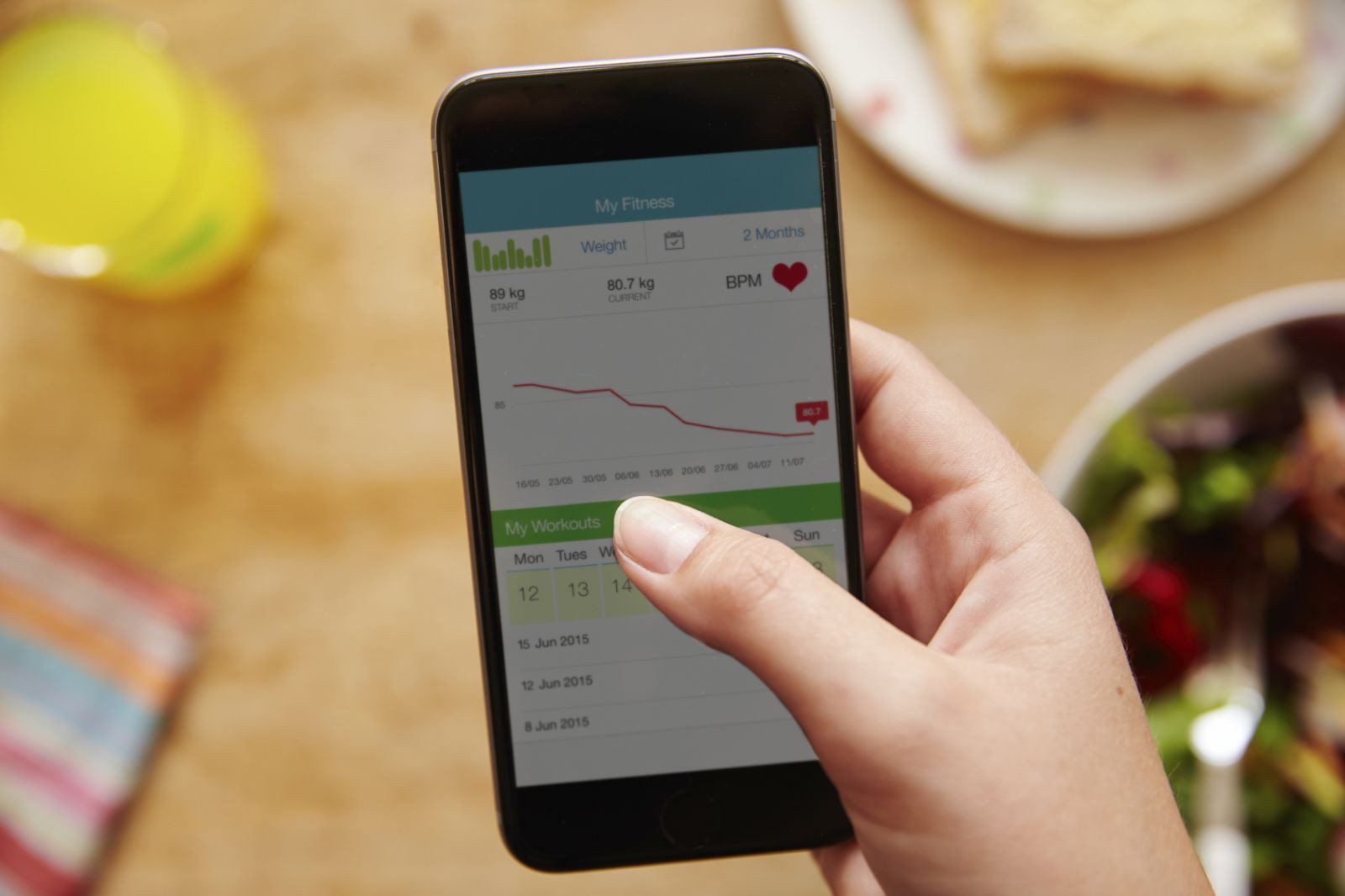
Helping your heart: There's an app for that
Image: iStock
Smartphone apps encourage you to take an active role in monitoring and boosting health.
When it comes to healthy hearts, technology is playing a greater role than ever, and not just in the doctor's office. Now nearly anyone can use computer programs designed to improve heart health, thanks to downloadable applications (apps) for smartphones, tablets, and home computers. They're part of a trend known as mobile health or mhealth. "In general, health apps can provide very valuable information, as long as you understand their limitations," says Dr. Randall Zusman, a cardiologist with the Corrigan-Minehan Heart Center at Harvard-affiliated Massachusetts General Hospital and a Harvard Medical School associate professor.

Should you rethink high blood pressure treatment?
Image: Thinkstock
News briefs
Initial results of a large national clinical trial suggest that being more aggressive in treating high blood pressure may save lives. Results of the Systolic Blood Pressure Intervention Trial (SPRINT) aren't yet published, so we don't know all of the details. But from information released by the National Institutes of Health (NIH) in September, it appears that aiming for a systolic (top) blood pressure reading of less than 120 mm Hg may reduce the risk of heart attacks, strokes, and heart failure by almost a third, and reduce the overall death rate by 25%. Researchers came to this conclusion after following more than 9,000 middle-aged and older adults with high blood pressure for several years. Half of the participants took an average of two medications and set a target systolic blood pressure of less than 140 mm Hg, the current recommended number. The other half took an average of three medications and aimed for a systolic blood pressure of less than 120 mm Hg. The results in the lower-target group were so impressive that NIH stopped the study early to share the news. Does this mean you should add more pills to your blood pressure treatment? "Not necessarily, because there may be more drug side effects. But if you're aiming for a lower number, I think it will be critical to rely on lifestyle modification, such as stress reduction, diet, salt restriction, and exercise, in addition to medication to lower blood pressure," says Dr. Randall Zusman, a cardiologist and Harvard Medical School associate professor.

Air pollution and heart disease
Image: Thinkstock
Ask the doctor
Q. I live near a busy highway. Are there any heart risks from air pollution?
A. Yes. More than two decades of research has shown that air pollution can trigger heart attacks, strokes, and irregular heart rhythms, particularly in people who have or are at risk for heart disease. The most dangerous pollutants appear to be very tiny particles less than 2.5 micrometers in diameter, which the Environmental Protection Agency reports as PM2.5. These particles come from car and truck exhaust, power plants and other industrial sources, wildfires, and wood-burning stoves.
Arthritis pain relief while taking warfarin
Ask the doctor
Q. I take warfarin for my atrial fibrillation. I know it can increase the risk of bleeding. Is it okay for me to take ibuprofen for my arthritis?
A. In general, you should avoid ibuprofen—which is sold as Advil, Motrin, and generics—while taking warfarin, because taking them together may further increase your risk of bleeding.

Cholesterol: What's diet got to do with it?
Image: iStock
Cholesterol in the foods you eat generally has little effect on levels in your bloodstream. But your overall diet does.
Cholesterol has a bad reputation, thanks to its well-known role in promoting heart disease. Excess cholesterol in the bloodstream is a key contributor to artery-clogging plaque, which can accumulate and set the stage for a heart attack. But if you're like many people, you might not understand cholesterol's other key functions—or the connection between the cholesterol you eat and that in your bloodstream.
Healing after food poisoning
What is tempeh? Benefits, nutrition, and how to use it
Light exposure at night may raise risk for heart disease
Whole grains may improve several heart risk factors at once
A lumbar belt may help ease low back pain
Children of centenarians may stay healthier and live longer too, study finds
Signs of pneumonia: Sometimes vague and unexpected
The surprising link between ovarian cancer and the fallopian tubes
Using a vibration plate: What it can — and can't — do for your body
People who walk more or walk faster live longer, study finds
Free Healthbeat Signup
Get the latest in health news delivered to your inbox!
Sign Up
