

Healing after food poisoning

What is tempeh? Benefits, nutrition, and how to use it

Light exposure at night may raise risk for heart disease

Whole grains may improve several heart risk factors at once

A lumbar belt may help ease low back pain

Children of centenarians may stay healthier and live longer too, study finds

Signs of pneumonia: Sometimes vague and unexpected

The surprising link between ovarian cancer and the fallopian tubes

Using a vibration plate: What it can — and can't — do for your body

People who walk more or walk faster live longer, study finds
Heart Failure Archive
Articles

Research we're watching: A better way to predict fatal heart events
In emergency departments, doctors routinely test blood levels of a protein called troponin to diagnose people with suspected heart attacks. That's because damaged heart muscle releases troponin into the bloodstream. Now, new research suggests that a high-sensitivity troponin test may help identify people with heart disease who face a high risk of fatal heart events.
For the study, published in the August 13 issue of The New England Journal of Medicine, researchers measured troponin levels with the high-sensitivity test in nearly 2,300 people with type 2 diabetes and stable heart disease (meaning they had narrowed heart arteries and chest pain but not a heart attack). Within five years, nearly one in three people with elevated troponin levels had a heart-related problem or died from one.
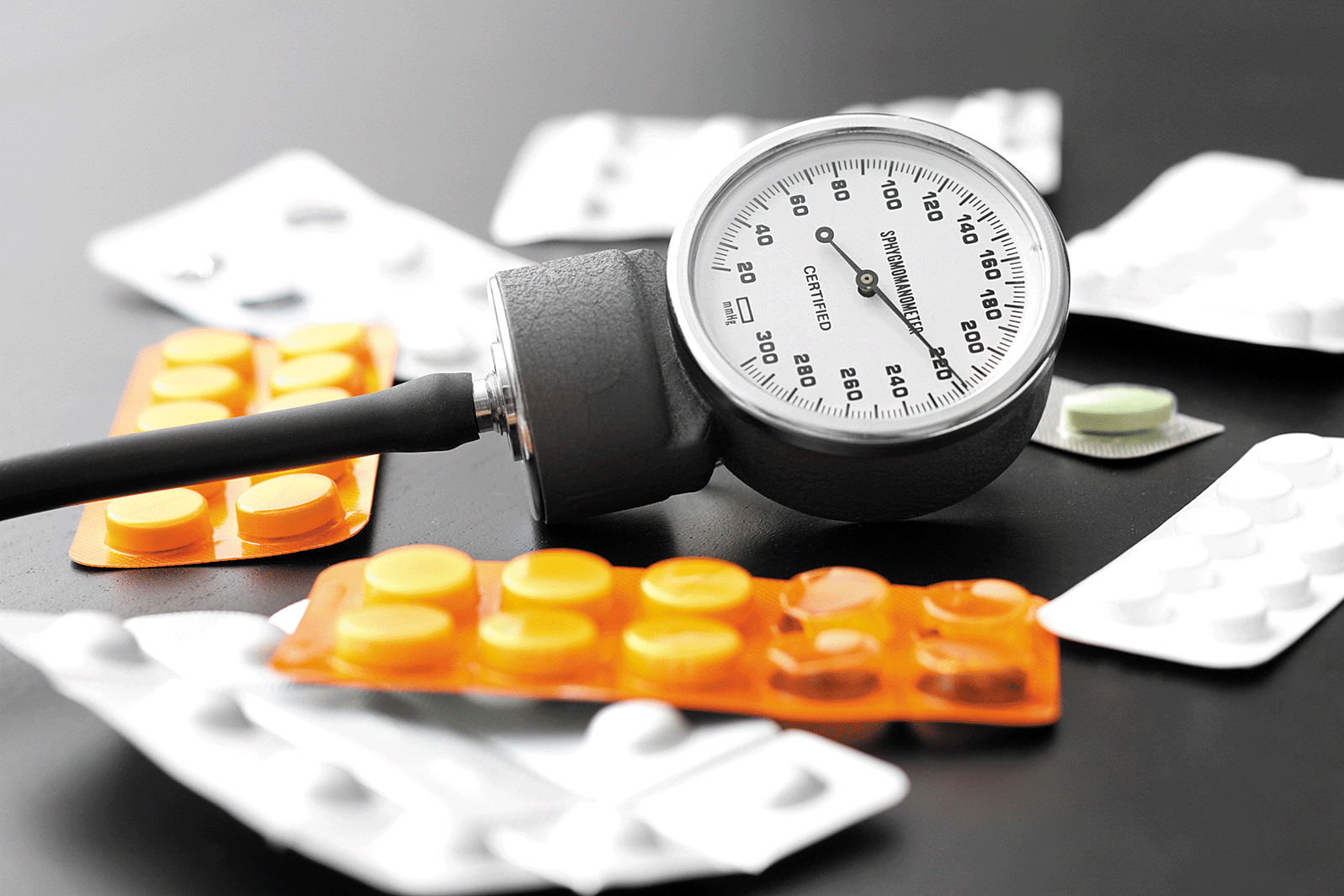
Which blood pressure drug is right for you?
Controlling high blood pressure involves trial and error. It may take more than one medication to do the job, and the dosages may need to be adjusted over time. |
The medications your doctor prescribes may depend on your underlying health issues.


Cellphone safety with a pacemaker
People who have a pacemaker or an implantable cardioverter-defibrillator (ICD) should keep cellphones and smartphones at least five to seven inches away from the device. Doing so helps prevent the rare possibility of interference between the two devices.
Afib cases increasing; pay attention to underlying health conditions
Atrial fibrillation (afib) is affecting far more people than it did 50 years ago, according to a study published July 11, 2015, in The Lancet. Afib is an irregular heartbeat that makes the heart's upper chambers (the atria) quiver, rather than pump steadily. This can lead to the formation of blood clots, which can travel in the blood to the brain and cause a stroke. The Lancet study found that afib cases quadrupled from 1958 to 2007 among 9,500 people. But there is some encouraging news: the study also found that the risk of stroke associated with afib decreased 74% in the last 50 years, and the risk of death decreased 25%.
Why the ups and downs? Researchers point to epidemics of obesity and diabetes as part of the reason, as well as increased awareness of the condition and better detection methods. Meanwhile, improved recognition and treatment of other diseases, such as high blood pressure, may be helping to reduce the cases of stroke and early death linked to afib. So, this study provides further evidence of the importance of maintaining a healthy weight and keeping blood sugar, blood pressure, and cholesterol under control. In addition to reducing the risk of heart disease, stroke, diabetes, and other illnesses, you also reduce the risk of getting afib and developing complications from it.

Having a dog can help your heart — literally
Dog lovers know how much warmth and comfort their canine companions add to their lives. But they might not know that a growing body of evidence suggests that having a dog may help improve heart health.
Pet ownership, especially having a dog, is probably associated with a decreased risk of cardiovascular disease. This does not mean that there is a clear cause and effect relationship between the two. But it does mean that pet ownership can be a reasonable part of an overall strategy to lower the risk of heart disease.

Heartburn and your heart
| Image: Bigstock |
Proton-pump inhibitors offer welcome relief for people with chronic heartburn. Here's what you need to know to use them wisely.
Heartburn didn't get its name by accident. Although the problem stems from excess stomach acid rather than heart-related issues, it provokes searing pain focused directly behind the breastbone. Of the over eight million emergency room visits for chest pain each year, severe heartburn, also known as gastroesophageal reflux disease (GERD), accounts for over half the cases in which actual heart problems are ruled out.
Can LDL be too low?
Ask the doctor
Q. After a year of taking a statin, my LDL cholesterol measurement is 50 mg/dL, which seems awfully low. Is there any downside to a very low LDL?
A. Based on what we currently know, a low-density lipoprotein (LDL) level of 50 mg/dL appears to be reasonably safe, especially when attained naturally. Studies of people who've already had a heart attack suggest that lowering LDL to about 50 mg/dL provides further protection against recurrent cardiovascular events versus reaching a level of around 70 mg/dL. In studies lasting up to seven years or so, these lower LDL levels appeared to be well tolerated.

New studies support statin guidelines
Discuss your own situation and preferences with your doctor when deciding whether to take a statin. Image: Thinkstock |
But if you are healthy, deciding if these commonly prescribed drugs are right for you is a personal choice.
Healing after food poisoning
What is tempeh? Benefits, nutrition, and how to use it
Light exposure at night may raise risk for heart disease
Whole grains may improve several heart risk factors at once
A lumbar belt may help ease low back pain
Children of centenarians may stay healthier and live longer too, study finds
Signs of pneumonia: Sometimes vague and unexpected
The surprising link between ovarian cancer and the fallopian tubes
Using a vibration plate: What it can — and can't — do for your body
People who walk more or walk faster live longer, study finds
Free Healthbeat Signup
Get the latest in health news delivered to your inbox!
Sign Up
