

Healing after food poisoning

What is tempeh? Benefits, nutrition, and how to use it

Light exposure at night may raise risk for heart disease

Whole grains may improve several heart risk factors at once

A lumbar belt may help ease low back pain

Children of centenarians may stay healthier and live longer too, study finds

Signs of pneumonia: Sometimes vague and unexpected

The surprising link between ovarian cancer and the fallopian tubes

Using a vibration plate: What it can — and can't — do for your body

People who walk more or walk faster live longer, study finds
Heart Failure Archive
Articles

Ask the doctor: Understanding ejection fraction
Q . Can you explain exactly what "ejection fraction" means? And is there any way to increase it?
A. Ejection fraction refers to the volume of blood that's pumped out of the heart's left ventricle each time it contracts. Contrary to what many people believe, a normal ejection fraction is not 100%. Even a healthy heart pumps out only about half to two-thirds of the volume of blood in the chamber in one heartbeat. So a normal ejection fraction lies somewhere in the range of 55% to 65%.

Ask the doctor: Clot prevention drugs after a stent: How long?
Guidelines about how long to take clopidogrel after receiving a stent are in flux. Image: Thinkstock |
Q. My cardiologist told me to take clopidogrel for a year after I received a stent. Now the year is up. I haven't had any bleeding problems. Should I keep taking it?
A. In addition to aspirin, doctors routinely prescribe clopidogrel (Plavix) for people who receive stents, the tiny metal mesh tubes placed in clogged blood vessels to improve blood flow. This medication stops blood components called platelets from clumping together and forming clots. The current guidelines generally recommend that people take the drug for a year. This advice assumes they don't have any side effects such as unusual bleeding, which can show up as severe nosebleeds or blood in the urine or stools. However, these guidelines are still evolving. Experts are currently reviewing new findings from large studies on the benefits and risks of taking clopidogrel and similar drugs for extended periods of time.

Don't worry about sudden cardiac arrest during exercise
Getting regular exercise is the best way to prevent most types of heart disease—including sudden cardiac arrest. Images: Thinkstock |
New findings may help allay fears about sports-related heart death.

Race and ethnicity: Clues to your heart disease risk?
Your racial and ethnic heritage may influence your heart disease risk, but lifestyle habits play a bigger role. Image: Thinkstock |
Rates of high blood pressure, diabetes, and heart disease vary among people of different backgrounds.

Too darn hot for your heart?
Dress for summer's heat, and don't stay outside too long. Image: Thinkstock |
Summer's heat, humidity, and smog may be tough for people at risk of heart disease.
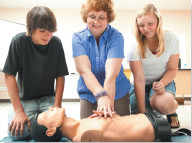
Bystander CPR may help cardiac arrest survivors return to work
Cardiopulmonary resuscitation (CPR) not only saves lives, it may also help survivors of cardiac arrest recover well enough to return to work, according to a study in the May 12, 2015, issue of Circulation.
Researchers studied more than 4,300 people in Denmark who were employed before they suffered a cardiac arrest. In cardiac arrest, the heart suddenly stops working. More than 75% of survivors who had a cardiac arrest outside a hospital were able to return to work in a median time of four months. Those who received CPR from a bystander were nearly 40% more likely go back to work compared with those who didn't get CPR. The chest compressions given during CPR keep blood circulating to the brain, minimizing brain damage caused by a lack of oxygen.

Tests for hidden heart disease
Electrocardiograms, which monitor the heart's electrical patterns, don't reliably reveal the risk of having a heart attack. |
Unless you have symptoms of a heart problem, taking a cautionary look under the hood is unlikely to help—and could even be harmful.
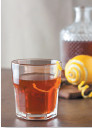
Moderate alcohol consumption associated with heart problems
Many previous studies of adults of all ages have found that "moderate" drinking—one or two drinks per day for men and one drink per day for women—seems to protect against getting heart disease. A recent Harvard study challenges this notion, at least among older adults. The findings, published in the June 2015 issue of Circulation: Cardiovascular Imaging, suggest that even moderate amounts of alcohol are associated with heart damage among adults older than age 65. Researchers correlated weekly alcohol consumption among more than 4,400 seniors (average age 76) with the size, structure, and motion of the heart. The more people drank, the more researchers saw changes on images showing the heart's structure and function. This could mean that any alcohol intake may put older adults at a higher risk of developing heart problems, such as cardiomyopathy (which can lead to heart failure), a condition long associated with heavy drinking.
Image: Thinkstock

Stroke risk when you have atrial fibrillation
Now we have a better tool to calculate your chance of a brain attack if you've been diagnosed with afib.
Atrial fibrillation (afib) is among the most common heart rhythm irregularities. During a bout of afib, the usually rhythmic contractions of the heart muscle's upper chambers (the atria) are replaced by an ineffectual quiver that does not completely move blood out of the heart chamber. As a result, blood can stagnate and form clots. These clots can then travel to the brain and cause an ischemic stroke.

Do blood pressure drugs raise your risk of a fall?
Some research has suggested that older people who take blood pressure medications may be prone to falls, perhaps because the drugs make them dizzy or lightheaded when they stand up. But a new study in the May 2015 Hypertension found no increased risk of falls in people taking blood pressure drugs.
For the study, nearly 600 people with chronic high blood pressure reported their falls to researchers via mail-in postcards and phone calls. Almost half of the participants, whose average age was 78, reported one or more falls during the yearlong study. Neither standard nor high doses of blood pressure drugs were linked to falls. In fact, people who took two commonly prescribed types of blood pressure medications—ACE inhibitors and calcium-channel blockers—had a lower rate of falling compared with people not taking those drugs. Given the known benefits of treating high blood pressure in older people, the authors say, withholding blood pressure medication for fear of causing a fall may not make sense.
Healing after food poisoning
What is tempeh? Benefits, nutrition, and how to use it
Light exposure at night may raise risk for heart disease
Whole grains may improve several heart risk factors at once
A lumbar belt may help ease low back pain
Children of centenarians may stay healthier and live longer too, study finds
Signs of pneumonia: Sometimes vague and unexpected
The surprising link between ovarian cancer and the fallopian tubes
Using a vibration plate: What it can — and can't — do for your body
People who walk more or walk faster live longer, study finds
Free Healthbeat Signup
Get the latest in health news delivered to your inbox!
Sign Up
