

Healing after food poisoning

What is tempeh? Benefits, nutrition, and how to use it

Light exposure at night may raise risk for heart disease

Whole grains may improve several heart risk factors at once

A lumbar belt may help ease low back pain

Children of centenarians may stay healthier and live longer too, study finds

Signs of pneumonia: Sometimes vague and unexpected

The surprising link between ovarian cancer and the fallopian tubes

Using a vibration plate: What it can — and can't — do for your body

People who walk more or walk faster live longer, study finds
Heart Failure Archive
Articles

Serious side effects are uncommon after heartburn treatment
Serious health problems are uncommon after drugs or surgery to treat chronic heartburn, according to a recent study in Alimentary Pharmacology and Therapeutics. Many men take acid-reducing drugs called proton-pump inhibitors (PPIs), such as omeprazole (Prilosec, others) and lansoprazole (Prevacid), for chronic heartburn. One alternative is a surgical procedure to tighten the entrance to the stomach and prevent acidic stomach contents from backing up into the esophagus.
The new study drew on findings from two different clinical trials that tracked the health of people treated with either drugs or surgery. One trial involved about 300 people who were followed for up to 12 years; the other involved about 500 people who were followed for five years.


Know your triglycerides: Here's why
The level of triglycerides in the blood, like measurements of "bad" cholesterol, helps to gauge your risk for heart disease. Image: Thinkstock |
High levels of these fatty particles in the blood means you may need to step up healthy lifestyle changes.

How a sleep shortfall can stress your heart
Getting less than six hours of sleep on a regular basis can boost levels of stress hormones, which can strain your cardiovascular system. |
Find out if your sleeping habits put you at risk—and what to do about it.

Ask the doctor: Donating blood if you have heart disease
If you have heart disease, you must meet certain criteria to donate blood. Image: Thinkstock |
Q. I have heart disease but would like to donate blood. Is it safe?

Height and heart disease: A genetic connection
Shorter people are more likely than taller people to have clogged heart arteries. New research suggests that part of the reason for this long-held observation lies in our genes.
Earlier research identified 180 spots on the genome that vary according to a person's height. For the new study, researchers scrutinized the genes of nearly 200,000 people to see whether those with genetic traits for short stature also had a higher risk for heart disease. For a person who is 2.5 inches shorter than average, the risk of heart disease increases by about 13.5%. The shorter a person is, the greater the effect. A small number of the height-related genetic variants had clear connections to heart disease, such as links to some genes that affect levels of artery-clogging fats in the blood. But these accounted for only a third of the effect. That means that most of the heart disease risk related to being short is tied to other factors that remain elusive. The findings appeared in the April 23, 2015, New England Journal of Medicine.
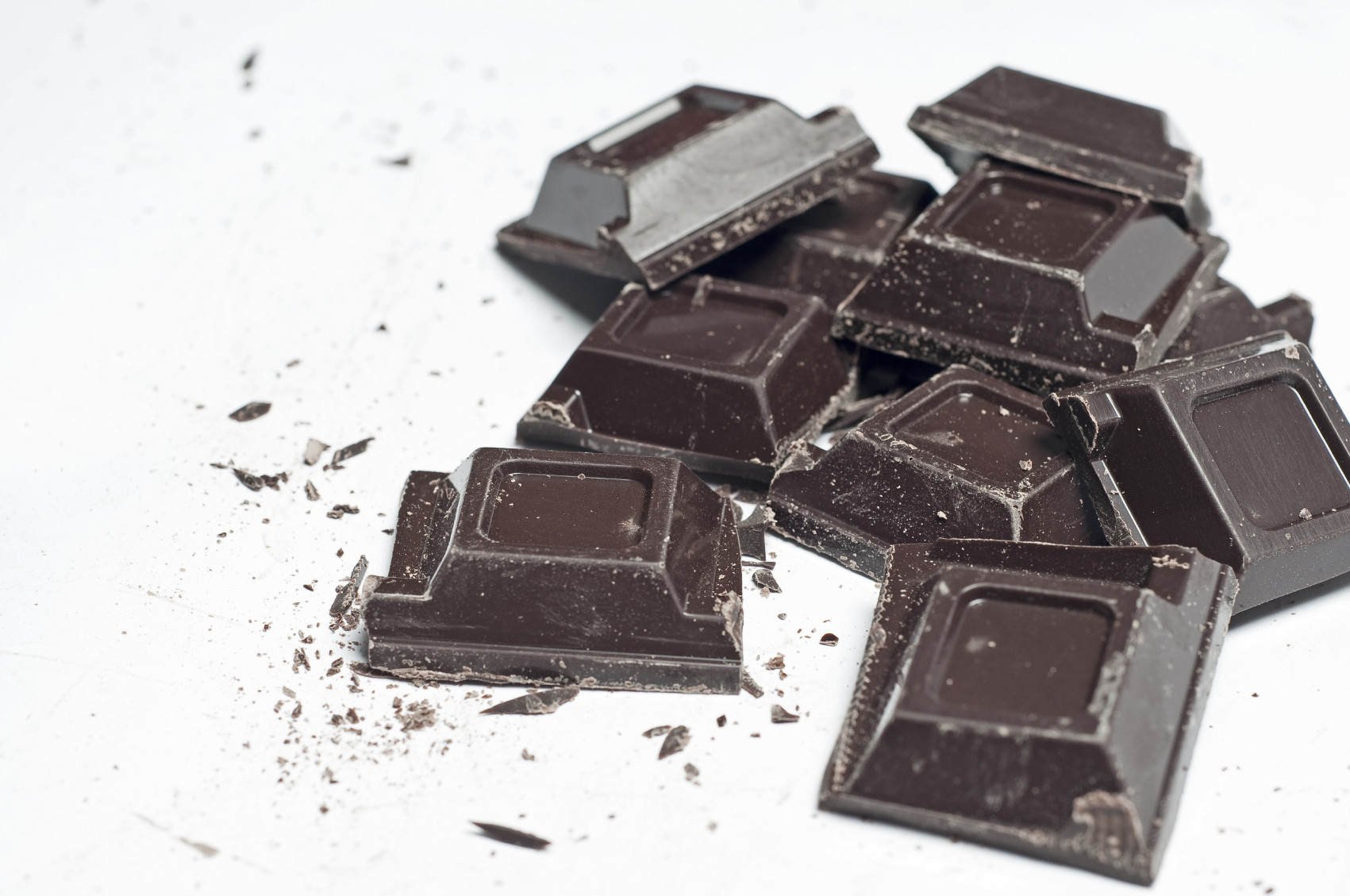
Sweet dreams: eating chocolate prevents heart disease
If you’re a chocoholic, the news out of England is tantalizing: middle-aged and older adults who eat up to 3.5 ounces of chocolate a day (that’s more than two standard Hershey bars) seem to have lower rates of heart disease than those who spurn chocolate. At least that was the conclusion of a study that followed the health of nearly 21,000 resident of Norfolk, England, for 11 years. Most of the previous studies on the chocolate-heart connection found that only dark chocolate offered any cardiovascular protection. In the Norfolk study, any type of chocolate, including milk chocolate, seemed to have the same beneficial effect. I routinely write my patients a prescription for exercise, and sometimes for eating more vegetables and fruits. I won’t be writing any prescriptions for chocolate in the foreseeable future. But I won’t be telling them not to eat chocolate—in moderation of course.
Cardiac arrest during sports is rare, and there may be warning signals
Reports that someone thought to be "perfectly healthy" collapsed while playing sports may instill fear in middle-aged men who want to stay physically active. However, a study in Circulation found that sudden cardiac arrest (SCA) during sports activities is uncommon and is often preceded by possible symptoms of heart problems.
Researchers have tracked cases of SCA in Oregon since 2002 in adults ages 35 to 65. As of 2013, only 63 of the 1,247 SCAs they found, or 5%, happened either during or within one hour of engaging in activities such as jogging, bicycling, basketball, golf, or tennis. It occurred more often in men, although it's possible this was because the men were more likely to engage in sports than women.

Getting to the heart of kidney disease
Controlling blood pressure and blood sugar will help both your heart and your kidneys.
On the surface, it's difficult to see how coronary artery disease and kidney damage might be related. But on the cellular level, the two conditions often go hand in hand. A closer look reveals the key. Underlying both conditions are two powerful risk factors: high blood pressure and diabetes, each of which damages the heart and kidneys independently.
Healing after food poisoning
What is tempeh? Benefits, nutrition, and how to use it
Light exposure at night may raise risk for heart disease
Whole grains may improve several heart risk factors at once
A lumbar belt may help ease low back pain
Children of centenarians may stay healthier and live longer too, study finds
Signs of pneumonia: Sometimes vague and unexpected
The surprising link between ovarian cancer and the fallopian tubes
Using a vibration plate: What it can — and can't — do for your body
People who walk more or walk faster live longer, study finds
Free Healthbeat Signup
Get the latest in health news delivered to your inbox!
Sign Up
