

Healing after food poisoning

What is tempeh? Benefits, nutrition, and how to use it

Light exposure at night may raise risk for heart disease

Whole grains may improve several heart risk factors at once

A lumbar belt may help ease low back pain

Children of centenarians may stay healthier and live longer too, study finds

Signs of pneumonia: Sometimes vague and unexpected

The surprising link between ovarian cancer and the fallopian tubes

Using a vibration plate: What it can — and can't — do for your body

People who walk more or walk faster live longer, study finds
Heart Disease Archive
Articles

Can hot baths protect your heart?
News briefs
Taking a warm bath helps soothe aching joints, wash away stress, and promote sleep. Now, a study published online March 24, 2020, by the journal Heart suggests that daily hot baths are also associated with better heart health. Researchers analyzed self-reported health and lifestyle information from more than 30,000 middle-aged people in Japan. Participants responded to a questionnaire at the start of the study and were then followed for about 20 years. Compared with people who didn't take a tub bath more than twice a week, people who took a daily warm or hot bath had a 28% lower risk of cardiovascular disease and a 26% lower risk of stroke. The study is only observational and doesn't prove that daily tub bathing staves off heart problems. But previous research has shown that the effects of tub bathing on the body are similar to those of exercise. Use caution, however: taking baths in very hot water is also tied to sudden death due to overheating, confusion, or drowning. If you're going to take a bath, keep the temperature comfortable and don't risk overheating. Finally, this study says nothing about the possible cardiovascular benefits of hot showers.
Image: © JohnnyGreig/Getty Images

Afib: Rhythm or rate control
Ask the doctor
Q. I was diagnosed with atrial fibrillation and my cardiologist prescribed metoprolol [Lopressor], which I understand is also used to treat angina. But I rarely have any chest pain. I was wondering if I should instead be getting another kind of medication to treat my condition?
A. During a bout of atrial fibrillation (afib), the heart beats very rapidly and irregularly. As a result, the heart may not pump effectively, which may cause symptoms such as breathlessness and fatigue. These episodes may be occasional and fleeting, or they may last hours, days, months, or even years.

Your heart’s best friend: A canine companion?
These popular pets have been linked to a range of heart-related benefits.
Seeing a dog's wagging tail and furry face can be heartwarming. But living with and caring for a dog may be heart-protecting — and might even help you live longer, according to a growing body of research.
The latest findings include two articles published last year in Circulation: Cardiovascular Quality and Outcomes. One pooled findings from 10 studies involving a total of 3.8 million people who were followed between one and 22 years. Dog owners were 31% less likely to die from a heart attack, stroke, or other cardiovascular condition than people who didn't own dogs. A separate study, which followed more than 335,000 heart attack and stroke survivors over 12 years, found that having a dog was linked to a 21% lower risk of death from any cause.

A closer look at your coronary arteries
The blood vessels that supply your heart may narrow as you age. But there are many myths about this common condition.
To 17th-century anatomy experts, the arteries encircling the heart apparently resembled a crown, which is why they are known as the coronary arteries (from the Latin word corona, meaning wreath or crown). They emerge from the aorta, the body's largest artery, and dive into the muscle of the heart, nourishing the organ with blood and oxygen.
Healthy young children have flexible, elastic arteries. But over time, the heart's arteries can gradually stiffen and narrow, as cholesterol-laden plaque builds up inside their walls. This condition, coronary artery disease, is responsible for the heart attacks that strike somewhere in the United States roughly every 40 seconds.

Getting into the swing of golf
This low-impact, lifelong sport can be a good way to exercise, socialize, and enjoy nature — three factors linked to lower heart disease risk.
Famously described as "a good walk spoiled," golf is nonetheless a popular sport in the United States, played by an estimated 25 million Americans. And one could argue that rather than spoiling a nice walk, the game instead provides a good way for people of all ages to be physically active and reap other heart-related rewards.
"You're outdoors in a beautiful place with three friends and no phones or computer screens," says Dr. James Muller, a cardiologist at Harvard-affiliated Brigham and Women's Hospital. In today's world, people are often stuck behind their screens and lose touch with their in-person social community. Playing golf helps to remedy that problem.

What can at-home genetic tests tell you about heart-related risks?
The results reveal only limited information about your risk for abnormally high cholesterol or harmful blood clots.
About 30 million Americans have used direct-to-consumer genetic tests such as 23andMe and Ancestry. While some are simply curious about their ethnic heritage, many pay extra to learn about their propensity for certain diseases and conditions. But can the results tell you anything useful about your odds of developing heart disease, the nation's leading killer?
When it comes to coronary artery disease — by far the most common form of heart disease — the answer is maybe, says Dr. Pradeep Natarajan, director of preventive cardiology at Harvard-affiliated Massachusetts General Hospital. "Genetics are just one aspect of a person's risk. Lifestyle habits such as smoking, diet, and exercise play a bigger role," he says.

Should I be screened for atrial fibrillation?
Ask the doctors
Q. Two of my friends were recently diagnosed with atrial fibrillation. Should I be screened for this condition?
A. Atrial fibrillation is a condition in which the heart beats in an abnormal rhythm, for either brief intervals or a more extended period. Some people with the condition experience symptoms such as dizziness, a racing heartbeat, or lightheadedness. But for many others, the condition is identified only when they have heart testing done as part of a physical examination. Medical experts don't currently recommend widespread screening for atrial fibrillation in people who don't have symptoms. While there are certainly benefits to diagnosing people who don't know they have the condition, testing large numbers of people is costly and could lead to false positives and unnecessary treatment.
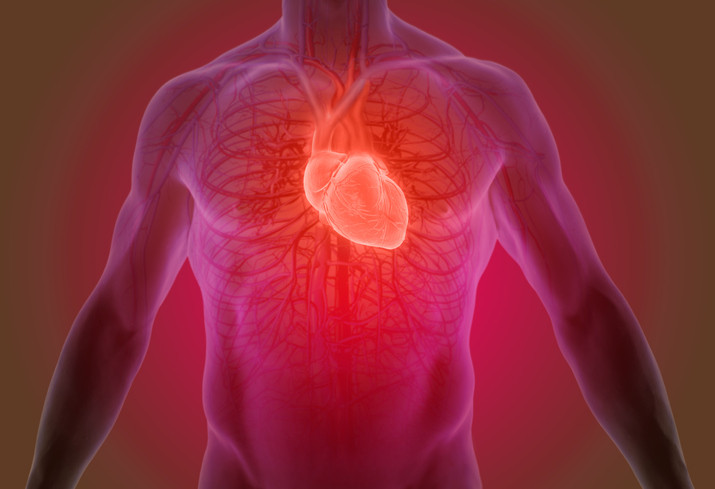
Are there benefits of cardiac catheterization for stable coronary artery disease?
In patients with acute coronary syndrome, studies have shown that cardiac catheterization can decrease heart attacks and improve survival. A recent study attempted to determine if the procedure would have comparable results in people with a more stable form of coronary artery disease.

And now for some good news on health
Good news on health –– which seems hard to come by right now –– includes declines in the rates of six out of 10 major causes of death in the United States.

Go to the hospital if you need emergency care, even in the era of COVID-19
Emergency departments have seen a decline in people seeking care, even for serious conditions such as strokes and heart attacks, out of fear of contracting COVID-19. But delaying treatment in such situations could worsen the outcome, and precautions have been taken to ensure the safety of all patients.
Healing after food poisoning
What is tempeh? Benefits, nutrition, and how to use it
Light exposure at night may raise risk for heart disease
Whole grains may improve several heart risk factors at once
A lumbar belt may help ease low back pain
Children of centenarians may stay healthier and live longer too, study finds
Signs of pneumonia: Sometimes vague and unexpected
The surprising link between ovarian cancer and the fallopian tubes
Using a vibration plate: What it can — and can't — do for your body
People who walk more or walk faster live longer, study finds
Free Healthbeat Signup
Get the latest in health news delivered to your inbox!
Sign Up
