

Healing after food poisoning

What is tempeh? Benefits, nutrition, and how to use it

Light exposure at night may raise risk for heart disease

Whole grains may improve several heart risk factors at once

A lumbar belt may help ease low back pain

Children of centenarians may stay healthier and live longer too, study finds

Signs of pneumonia: Sometimes vague and unexpected

The surprising link between ovarian cancer and the fallopian tubes

Using a vibration plate: What it can — and can't — do for your body

People who walk more or walk faster live longer, study finds
Heart Disease Archive
Articles

Can high-tech heart scans help prevent heart attacks?
Cardiac CT angiography is gaining ground as a fast, effective way to diagnose coronary artery disease.
If you experience a short-lived squeezing sensation or discomfort in your chest when you exercise or feel stressed, one possible cause is inadequate blood flow to the heart. Known as stable angina, this condition suggests you have heart disease and may be at risk for a heart attack.
Doctors can use a number of different tests to diagnose (or rule out) inadequate blood flow to the heart muscle. The first step is frequently a type of stress test, which checks the heart's electrical activity, muscle function, or blood flow patterns while the heart is under stress from exercise or medication. Stress tests can identify areas of reduced blood flow, which suggest a narrowing in the artery that supplies that part of the heart.

Grain of the month: Barley
You may be familiar with the claims featured on packages of old-fashioned oatmeal, which note that "As part of a heart-healthy diet, the soluble fiber in oatmeal can help reduce cholesterol." Guess what? Back in 2008, the FDA also approved the equivalent health claim for barley products.
In fact, barley contains about three times as much fiber per serving as oats. Barley is particularly rich in a type of soluble fiber known as beta glucan, which is recognized for its cholesterol-lowering abilities. Barley is also a good or excellent source of several vitamins and minerals.

Lifestyle changes are important for managing atrial fibrillation
Many lifestyle factors can influence the development of atrial fibrillation, and doctors now better understand the importance of these factors in treating afib. Those who are at risk of developing afib can take action to improve their health, and in some cases they may be able to reduce their symptoms.

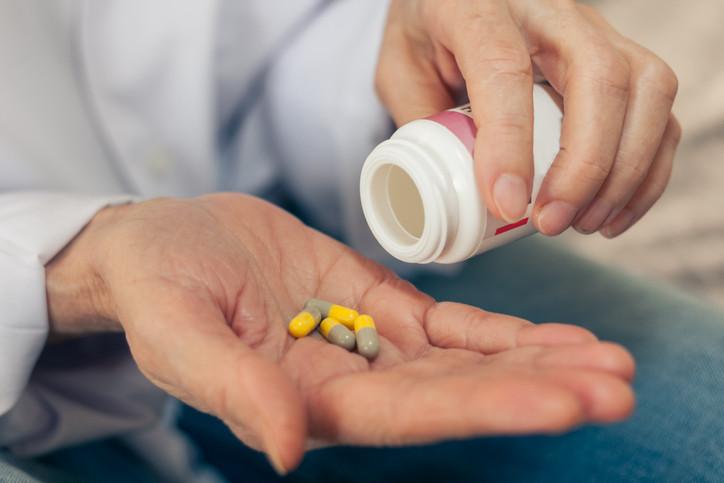
Pain relief that's safe for your heart
The popular painkillers known as NSAIDs include aspirin, ibuprofen, naproxen, and the prescription drug celecoxib. All except aspirin may slightly increase the risk of a heart attack, but naproxen appears to be the least risky.
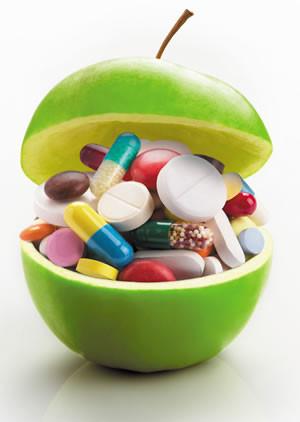
Dietary supplements: Sorting out the science
About half of American adults take dietary supplements, including many who hope to prevent or treat heart disease.




Ask the doctor: How to slow a racing heart
Coughing or gagging may help slow a very rapid heartbeat caused by supraventricular tachycardia. Known as vagal maneuvers, these techniques work by stimulating the vagus nerve, which runs from the brain to the abdomen.
Healing after food poisoning
What is tempeh? Benefits, nutrition, and how to use it
Light exposure at night may raise risk for heart disease
Whole grains may improve several heart risk factors at once
A lumbar belt may help ease low back pain
Children of centenarians may stay healthier and live longer too, study finds
Signs of pneumonia: Sometimes vague and unexpected
The surprising link between ovarian cancer and the fallopian tubes
Using a vibration plate: What it can — and can't — do for your body
People who walk more or walk faster live longer, study finds
Free Healthbeat Signup
Get the latest in health news delivered to your inbox!
Sign Up
