

CoQ10: Should you take this popular supplement if you're on a statin?

Microplastics: A hidden health threat?

Oat vs. dairy milk: Nutrition, benefits, and downsides

What is tempeh? Benefits, nutrition, and how to use it

Healing after food poisoning

Children of centenarians may stay healthier and live longer too, study finds

Light exposure at night may raise risk for heart disease

A lumbar belt may help ease low back pain

Whole grains may improve several heart risk factors at once

Signs of pneumonia: Sometimes vague and unexpected
Heart Attack Archive
Articles
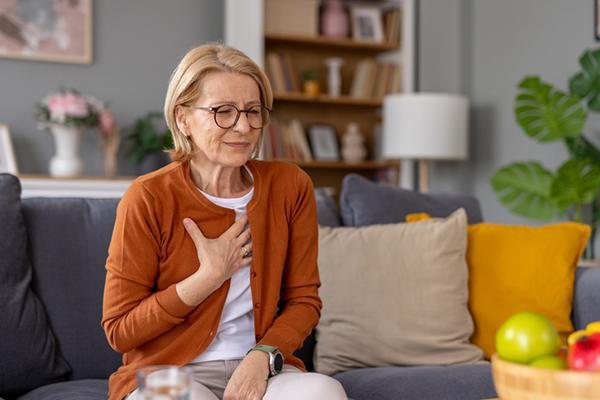
Women's unique risks for heart disease
Women have unique risk factors for heart disease, including pregnancy-related complications and a higher rate of autoimmune diseases. Anatomical and other differences also influence how heart disease manifests in women.
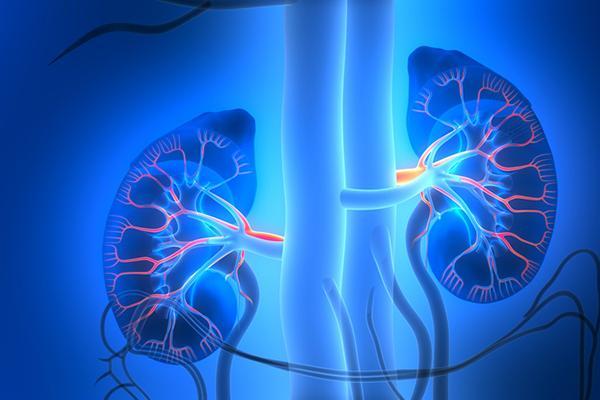
Chronic kidney disease: A hidden threat to your heart
About one in seven adults in the United States has chronic kidney disease. Simple screening tests can detect the problem, which can increase the risk of heart attack, stroke, and heart failure.

Addressing poor sleep may help heart health
Growing evidence suggests that poor sleep is linked to a host of health problems, including a higher risk of high blood pressure, diabetes, obesity, and heart disease. Now, a recent study on people in midlife finds that having a combination of sleep problems may nearly triple a person's risk of heart disease.

3 simple swaps for better heart health
A busy schedule can make it challenging to adhere to heart-healthy habits, but there are steps you can take that don't require much time and can fit easily into almost anyone's life.

Virtual cardiac rehab: Heal your heart from home
Virtual cardiac rehabilitation offers heart-related education and supervised exercise classes that people can access at home using a computer, tablet, or smartphone. This growing trend may help make cardiac rehab more convenient and accessible.

What causes a slow heartbeat?
A low resting pulse can signal peak fitness, hidden heart trouble, or even thyroid issues; learn when a slow beat is harmless and when it's not.
Do I need to worry about a slow resting heart rate?
A slower pulse can be healthy or a warning sign, depending on symptoms, medications, and your thyroid status. Simple checks can help reveal which it is.
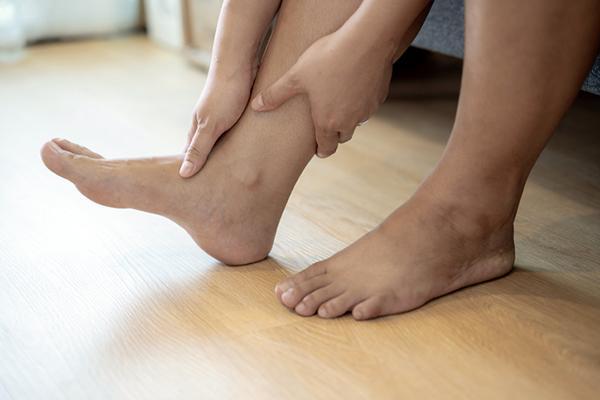
Why do my ankles swell in the summer?
Warm weather, vein valve issues, and fluid retention can all puff up your ankles. Learn what doctors look for and simple steps that may ease it.

Rethinking HDL cholesterol
The scientific understanding of HDL cholesterol has evolved in recent years, and many cardiologists now believe that HDL may be more of a bystander rather than a "good guy" that helps lower heart disease risk. While some types of HDL are great at plucking excess cholesterol from LDL and artery walls (a process referred to as reverse cholesterol transport) other types of HDL don't do this. In clinical trials, medications to raise HDL levels-including a drug specifically designed to improve reverse cholesterol transport-have not succeeded in lowering heart attacks and strokes.

Coping with chronic pain, depression, and high blood pressure
Chronic pain is linked to an increased risk of high blood pressure, which may be driven in part by depression, according to a 2026 study. Mind-body therapies and medications may help.
CoQ10: Should you take this popular supplement if you're on a statin?
Microplastics: A hidden health threat?
Oat vs. dairy milk: Nutrition, benefits, and downsides
What is tempeh? Benefits, nutrition, and how to use it
Healing after food poisoning
Children of centenarians may stay healthier and live longer too, study finds
Light exposure at night may raise risk for heart disease
A lumbar belt may help ease low back pain
Whole grains may improve several heart risk factors at once
Signs of pneumonia: Sometimes vague and unexpected
Free Healthbeat Signup
Get the latest in health news delivered to your inbox!
Sign Up
