

Even a little exercise linked with lower stroke risk in people with afib

Testosterone therapy without evidence of deficiency may boost heart risk

Weight-loss drug may lower risk of heart attacks and infections

What to eat on the DASH diet

Migraine: How it's diagnosed and what that means

Tricep workouts you can do at home

Mindfulness practices to reduce stress and improve focus

Antihistamines may not offer meaningful relief from eczema symptoms

Overweight and taking blood pressure medications: Study finds it's a trend that's working

FDA approves first mRNA-based flu vaccine
Hearing Loss Archive
Articles

One hearing aid or two?
If you’re like most people with hearing loss, you’ll probably find that it takes time to accept the idea that you need a hearing aid, and you may be unhappy when your audiologist recommends that you get not one, but two. Chances are that your first question will be, “Is it normal to get two hearing aids?” And then, “Do I really need two?”
If you have hearing loss in only one ear and normal or nearly normal hearing in the other, then one hearing aid is all you need. But most people have hearing loss in both ears, especially if the loss is age-related. (You may have one ear that’s better than the other, but chances are both will be in the same ballpark.) In that case, research and experience suggest that you’ll ultimately be more satisfied with two hearing aids.

Now hear this: Don’t ignore sudden hearing loss
You have a brief window to seek treatment.
Everyone's hearing naturally declines with age, and people often have one ear that hears better than the other. But if hearing loss appears suddenly in one ear for no apparent reason, you may have experienced sudden sensorineural hearing loss, or SHL, a kind of nerve deafness.
There are about 66,000 new cases of SHL per year in the United States, according to research in the August 2019 issue of Otolaryngology — Head and Neck Surgery. But these numbers are hard to come by, since the condition may be underdiagnosed.

Inflamed sinuses: It's best to watch and wait
Antibiotics often don't help inflamed sinuses. Take steps to ease symptoms and let the problem heal itself.
The hollow spaces in your facial bones—the sinuses—are prone to infection by microorganisms of various stripes. Usually, the invader is a virus. In response, the sensitive linings of the sinuses swell up and start to pour out mucus, triggering nasal stuffiness, a runny nose, and facial pain.
Once upon a time, many sinus sufferers headed straight to their doctors to get an antibiotic. But we now know that strategy is usually a waste of time. Most cases of sinusitis are associated with viral infections, which are bulletproof to antibiotics. According to a research review by the Cochrane Collaboration, 80% of people with sinusitis improve within two weeks without taking antibiotics.

New medication advances treatment for chronic rhinosinusitis with nasal polyps
The FDA has approved a new medication for the treatment of chronic rhinosinusitis with nasal polyps, dupilumab, which is given by injection biweekly.

Poor sense of smell may predict risk of death in older adults
In the journals
Previous studies have shown a link between loss of smell among older adults and risk of death within a short period — often five years or less. Now, a report published online May 21, 2019, by Annals of Internal Medicine confirmed this increased risk of death over more than a decade, as well as identifying the leading causes of death.
Researchers gave smell identification tests to 2,289 adults ages 71 to 82 (about half of whom were men). They found that those who scored low on the smell test had a 46% higher risk of dying within 10 years, and 30% within 13 years, compared with those who had a stronger sense of smell.
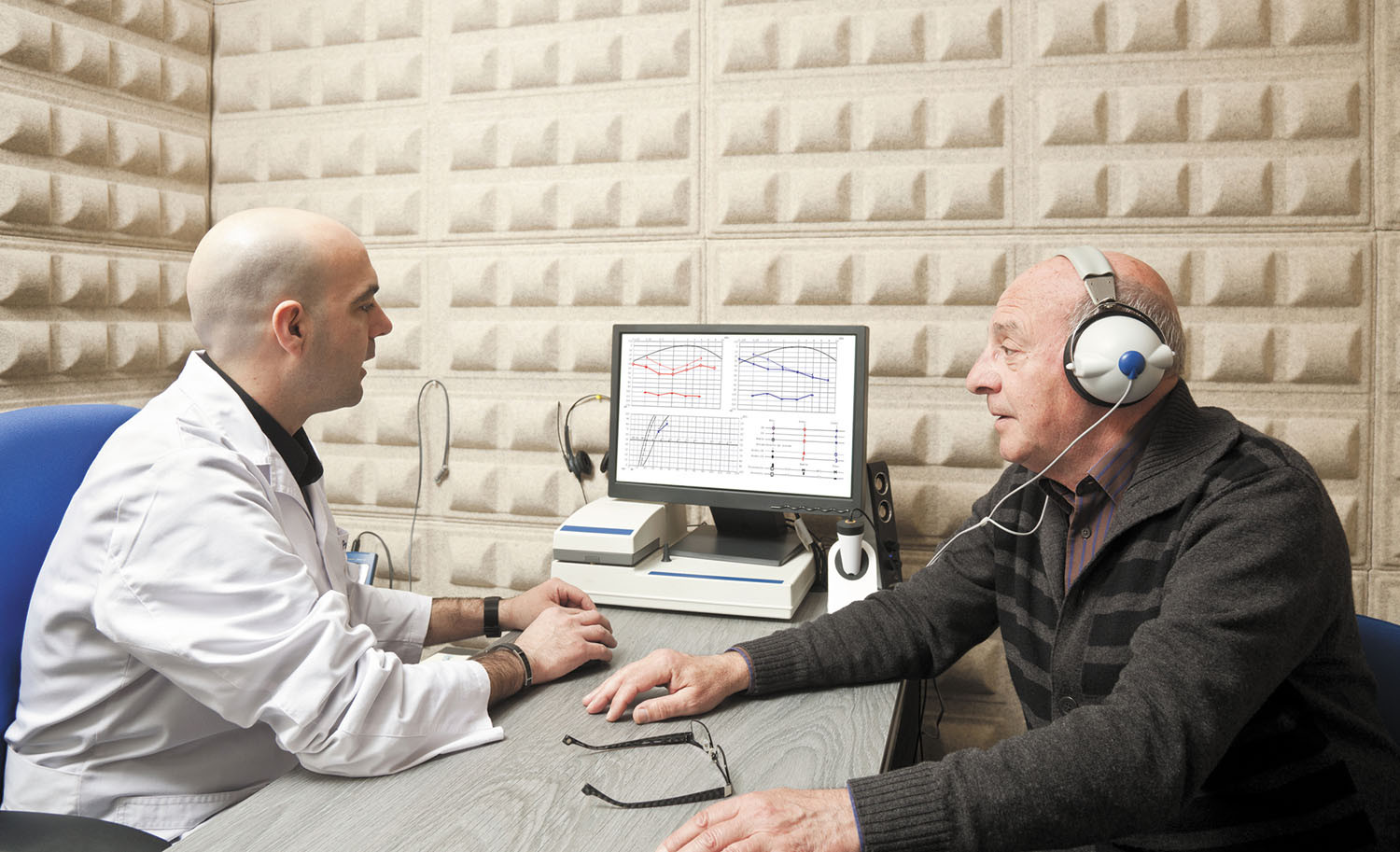
Closing in on tinnitus treatments
New research aims to capture and eventually cure incessant ringing in the ears.
More than 50 million Americans struggle with tinnitus, a constant or recurring ringing in the ears that ranges from irritating to debilitating. Some treatments work for some people, but none seems to work for everyone.
Tinnitus is a tough condition for doctors to study. "There's no way to measure it directly. The only way we know you have tinnitus is if you tell us. Even if there were a cure, we wouldn't know how it worked because we have to rely on verbal descriptions of what your tinnitus sounds like and how loud it is," says Daniel Polley, director of the Lauer Tinnitus Research Center at Harvard-affiliated Massachusetts Eye and Ear.
A noisy problem
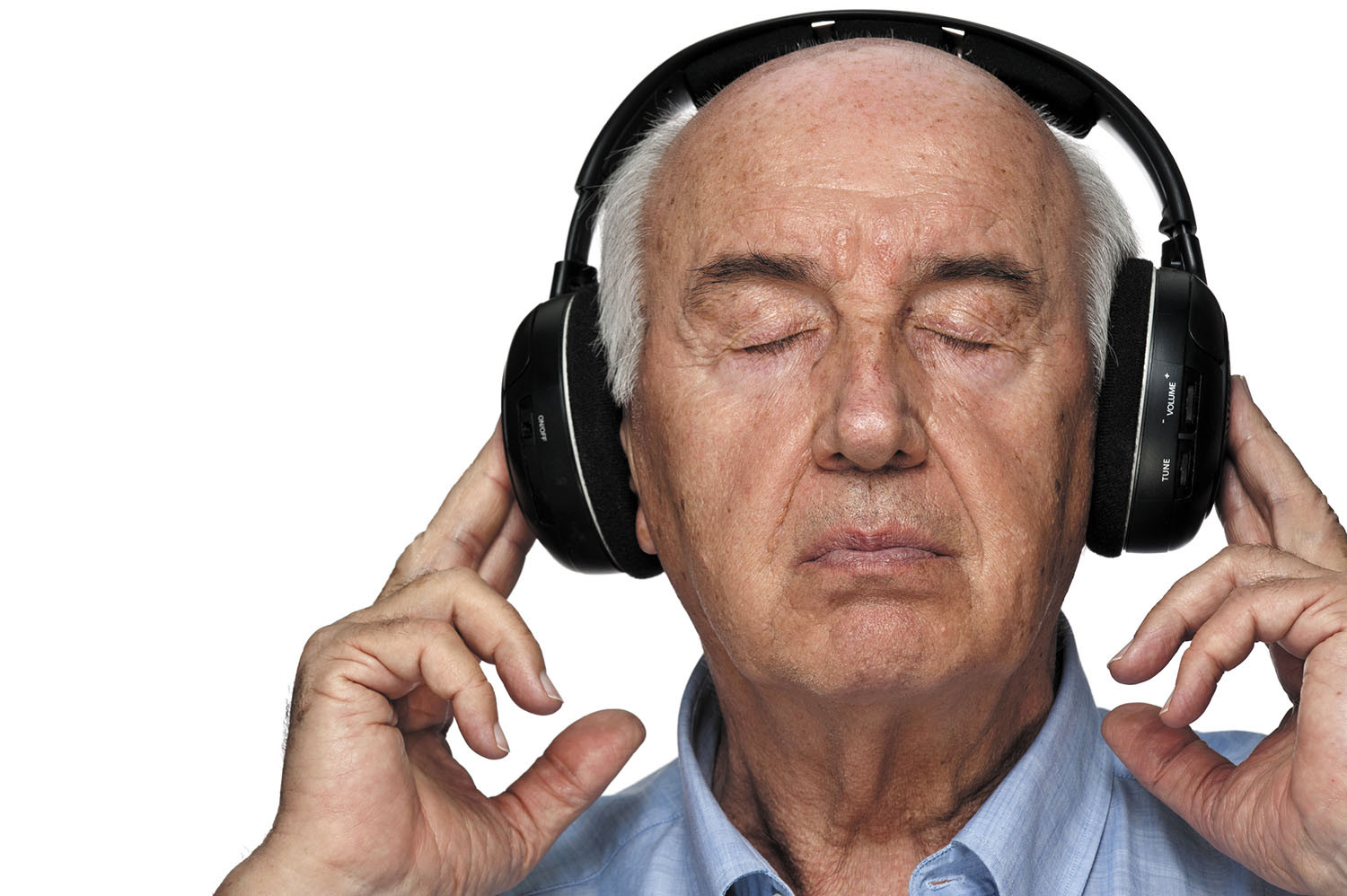
People often become more sensitive to noise as they age, which can affect their mental and physical health.
Image: © Juanmonino/Getty Images
Are you more sensitive to noises than you used to be? Do certain sounds now feel too loud and jarring? Don't worry; it's actually quite normal.
Age-related hearing loss is common among older adults and affects about two-thirds of men in their 70s and 85% of men ages 80 and older. Although it's not clear why, this can also make people hypersensitive to sounds that they used to tolerate easily, which in turn can affect their well-being.

Is my nosebleed the result of winter air?
Ask the doctors
Q. I had a nosebleed the other night. I've heard that this can be more common in the winter. Is this true?
A. Yes, you could be more likely to get a nosebleed in the winter because the heated indoor air may dry out your nasal passages and make the tiny blood vessels inside them more fragile. Nosebleeds occur when these tiny vessels rupture. Sometimes the bleeding happens at the back of the nose, called a posterior bleed. Or it may develop at the front of the nose — an anterior bleed.

Even a little exercise linked with lower stroke risk in people with afib
Testosterone therapy without evidence of deficiency may boost heart risk
Weight-loss drug may lower risk of heart attacks and infections
What to eat on the DASH diet
Migraine: How it's diagnosed and what that means
Tricep workouts you can do at home
Mindfulness practices to reduce stress and improve focus
Antihistamines may not offer meaningful relief from eczema symptoms
Overweight and taking blood pressure medications: Study finds it's a trend that's working
FDA approves first mRNA-based flu vaccine
Free Healthbeat Signup
Get the latest in health news delivered to your inbox!
Sign Up
