

Even a little exercise linked with lower stroke risk in people with afib

Testosterone therapy without evidence of deficiency may boost heart risk

Weight-loss drug may lower risk of heart attacks and infections

What to eat on the DASH diet

Migraine: How it's diagnosed and what that means

Tricep workouts you can do at home

Mindfulness practices to reduce stress and improve focus

Antihistamines may not offer meaningful relief from eczema symptoms

Overweight and taking blood pressure medications: Study finds it's a trend that's working

FDA approves first mRNA-based flu vaccine
Hearing Loss Archive
Articles

The ears have it
Remember to take care of your hearing, like any other aspect of your health.
When you plan your next series of maintenance health tests, don't forget your ears. An ear and hearing exam is not something that needs to be done every year, but you should be aware of changes that could signal serious problems.
"At the very least, a baseline evaluation can help, so you can monitor changes if your hearing declines," says Dr. Stephen W. Hill, an audiologist at Harvard-affiliated Massachusetts Eye & Ear.

Noisy workplaces may boost cardiovascular risk factors
Research we're watching
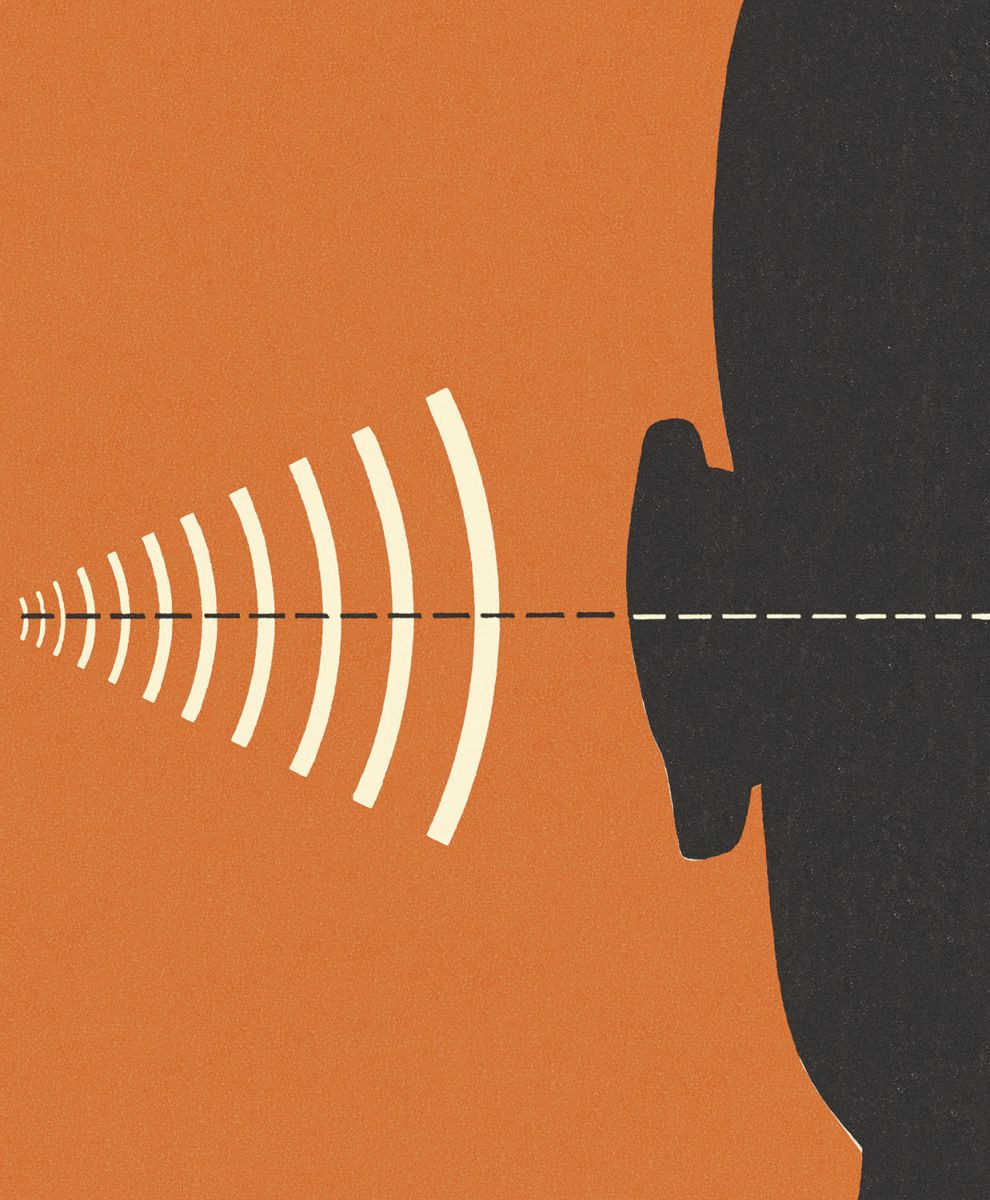
Is your workplace noisy? You may want to keep close tabs on your blood pressure and cholesterol. A CDC study published in the American Journal of Industrial Medicine found that high cholesterol and high blood pressure were more common among workers who toiled in noisy environments.
The study found that 25% of U.S. workers surveyed reported experiencing noise exposure at work. The noisiest industries included mining, construction, and manufacturing.
More reasons to get your hearing checked
News briefs
Hearing loss is a common and serious disability that can take you out of conversations and put you at risk for depression and isolation. Two recent studies from JAMA Otolaryngology–Head & Neck Surgery suggest that hearing loss is also connected to several other conditions. One study of national health surveys, published online Jan. 25, 2018, found that hearing loss was associated with heart failure: 75% of people ages 70 or older with heart failure also had hearing loss. The other study, published online Dec. 7, 2017, evaluated 36 studies that included more than 20,000 people who'd had hearing and cognition tests. Scientists found that age-related hearing loss was significantly associated with a decline in all areas of thinking skills and with developing dementia. These studies were observational, so they don't prove that hearing loss causes thinking problems or heart failure. But they're a reminder of the importance of having hearing loss checked out. The problem can sometimes be resolved without hearing aids if it's being caused by earwax, an ear infection, or an abnormal bone growth.
Image: © CSA-Printstock/Getty Images

Straight talk about your voice
Men can experience voice changes as they age, but there are ways to protect and improve your speaking tone.
It's common as you age for your voice to change, a condition called presbylaryngis, or aging of the larynx. The result is often that annoying raspy, hoarse tone commonly known as "old age" voice.
"Over many years, we talk, yell, and sing a lot. Eventually, this causes the vocal folds to become weak or damaged, and your voice loses its range and quality," says Barbara Wilson Arboleda, a speech and language pathologist with a specialty in voice at Harvard-affiliated Massachusetts Eye and Ear. "This can make daily communication an issue, as it requires greater effort to speak and be understood, which may cause many older men to become more withdrawn and isolated."


Hearing loss a possible risk factor for dementia
In the journals
Older adults who develop hearing loss are more likely to experience greater cognitive decline and develop dementia than their counterparts without hearing problems, according to a meta-analysis published online Dec. 7, 2017, by JAMA Otolaryngology — Head and Neck Surgery. Researchers examined data from 36 studies including more than 20,000 people who underwent both cognitive evaluations and hearing tests. Those with age-related hearing loss were more likely to have cognitive impairment or a diagnosis of dementia.
The study found a small but statistically meaningful association between hearing loss and a variety of specific cognitive abilities, including executive function, memory, processing speed, and visuospatial ability (how you recognize shapes and sizes and estimate the distance between two objects). The association between hearing loss and weaker cognitive skills was still strong even after accounting for risk factors like high blood pressure and smoking.
More over-the-counter hearing aids on the way
News briefs
As we reported in March, the FDA has been debating whether to create a class of over-the-counter (OTC) hearing aids to inspire new products costing hundreds, not thousands, of dollars. Congress and the president pushed the effort forward over the summer, approving the Over-the-Counter Hearing Aid Act in August. It gives the FDA three years to establish the OTC hearing aid category and develop safety and labeling rules for the devices. Last December, the FDA said it would no longer require adults to receive a medical evaluation or sign a waiver before purchasing most hearing aids. So now people with mild to moderate hearing loss don't need a doctor's prescription to get an OTC hearing aid, and don't need to see an audiologist for a fitting. OTC hearing devices aren't the same as prescription hearing aids, however. They're amplification devices, and they may not be right for your particular type of hearing problem. Without an evaluation by a doctor, an underlying condition may go undiagnosed. Discuss the risks and benefits with your primary care doctor.
Sniffing out sinus relief
The inflammation of chronic sinusitis can be more than just an annoyance. Here's what you can do about flare-ups.
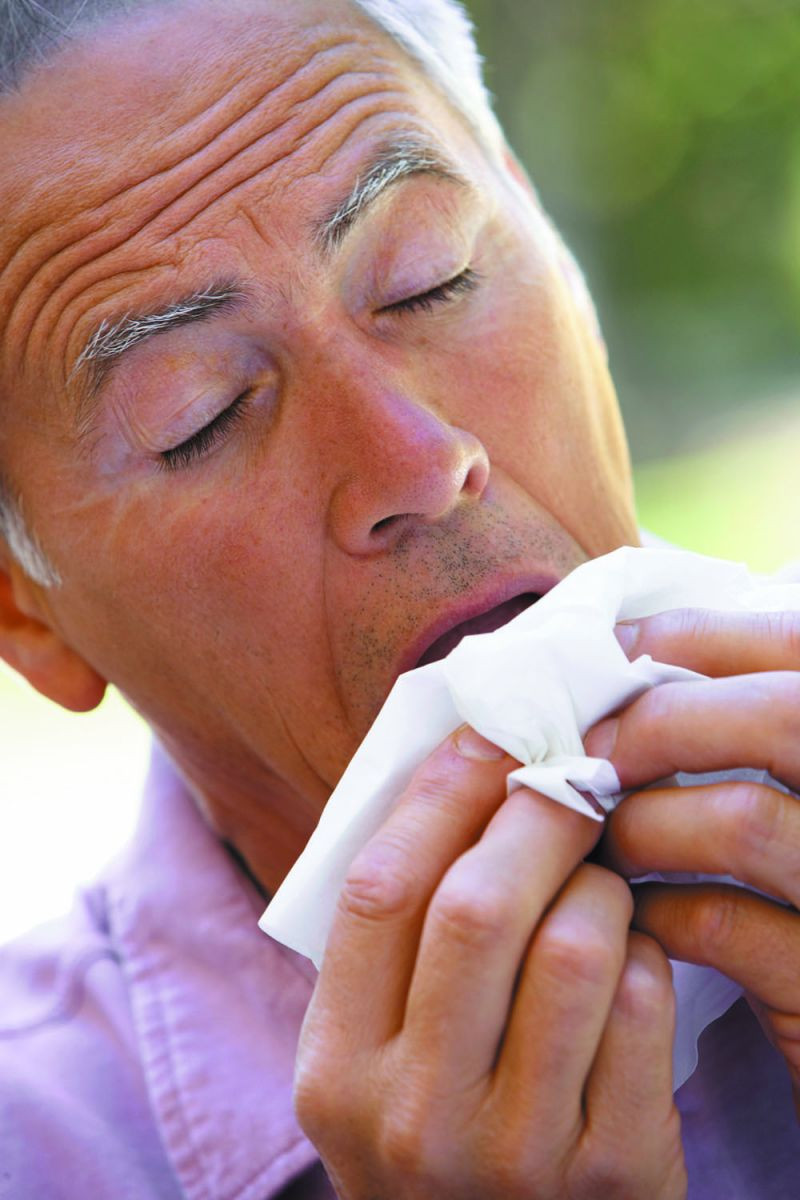
Stuffy nose? Constant blowing? A head on the verge of exploding? Everyone battles clogged sinuses at times, and often the discomfort goes away after a few days. However, if the condition lingers or becomes more severe, you could be battling chronic sinusitis, which can affect your quality of life.
"Besides the stress of dealing with the symptoms, the condition can interfere with your sleep, lead to depression, and keep you from being active," says Dr. Ahmad R. Sedaghat, an otolaryngologist with Harvard-affiliated Massachusetts Eye and Ear Infirmary.
Sound amplification device may be a cheaper hearing aid choice
In the journals
Hearing aids can cost thousands of dollars, but a study in the July 4, 2017, Journal of the American Medical Association found that less expensive over-the-counter personal sound amplification products (PSAPs) might be a good alternative for some people.
PSAPs resemble hearing aids and help amplify sounds the same way, but are not regulated by the FDA and thus cannot be marketed as a correction or treatment for hearing loss. They often are advertised as being helpful in noisy places like crowds and meetings, and are sold online for about $200 to $400.
Is my ear problem related to my age?
Ask the doctors
Image: © Catherine Yeulet/Thinkstock
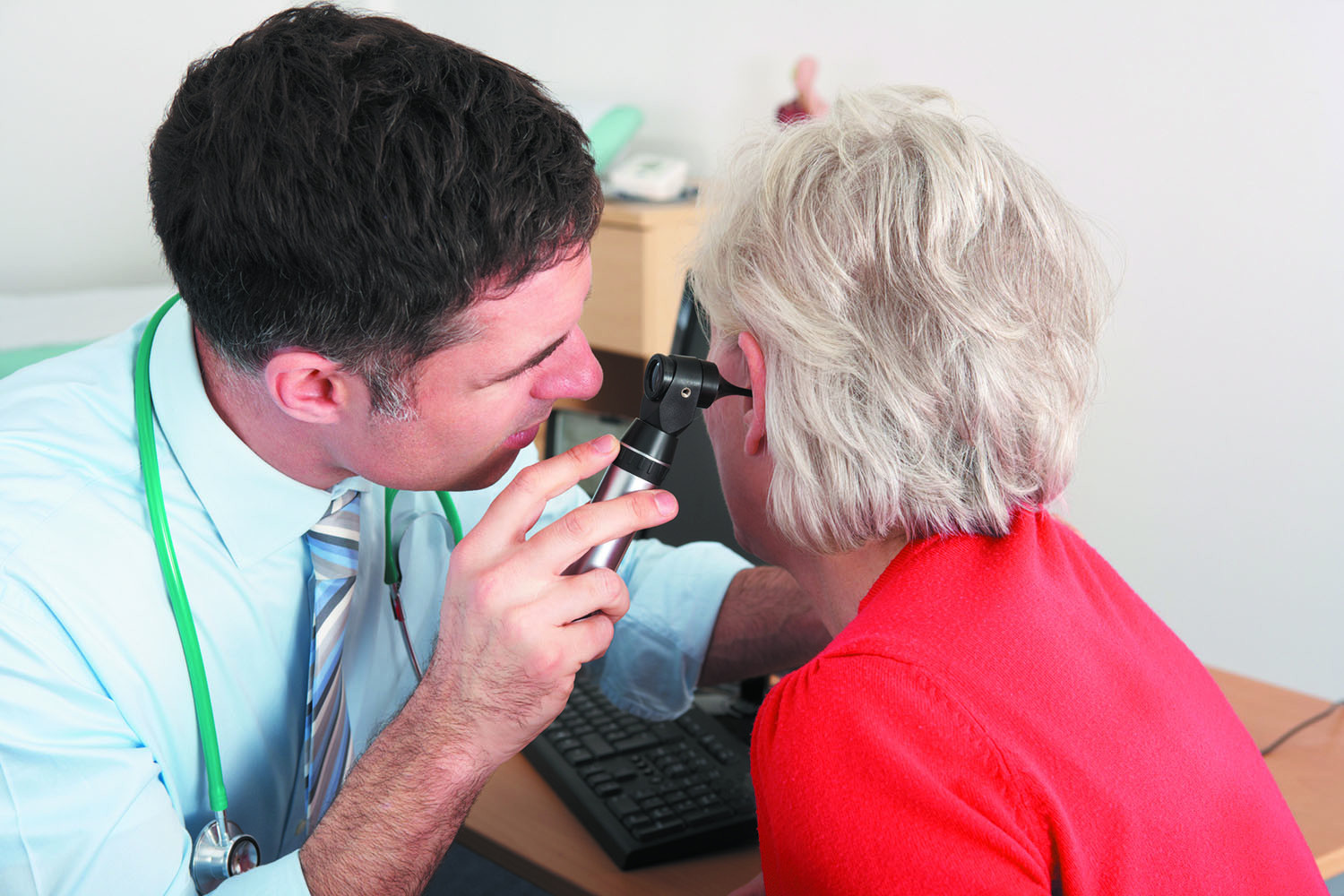
Q. A friend and I both recently had ear blockages caused by impacted earwax. Is this something that becomes more common with age, or is it just a coincidence?
A. It's not just a coincidence. Earwax blockages definitely increase with age. While blockages affect only 5% of healthy adults, they occur more often in older people, with 57% of nursing home residents experiencing this problem, according to the American Academy of Family Physicians.
Even a little exercise linked with lower stroke risk in people with afib
Testosterone therapy without evidence of deficiency may boost heart risk
Weight-loss drug may lower risk of heart attacks and infections
What to eat on the DASH diet
Migraine: How it's diagnosed and what that means
Tricep workouts you can do at home
Mindfulness practices to reduce stress and improve focus
Antihistamines may not offer meaningful relief from eczema symptoms
Overweight and taking blood pressure medications: Study finds it's a trend that's working
FDA approves first mRNA-based flu vaccine
Free Healthbeat Signup
Get the latest in health news delivered to your inbox!
Sign Up
