

Even a little exercise linked with lower stroke risk in people with afib

Testosterone therapy without evidence of deficiency may boost heart risk

Weight-loss drug may lower risk of heart attacks and infections

What to eat on the DASH diet

Migraine: How it's diagnosed and what that means

Tricep workouts you can do at home

Mindfulness practices to reduce stress and improve focus

Antihistamines may not offer meaningful relief from eczema symptoms

Overweight and taking blood pressure medications: Study finds it's a trend that's working

FDA approves first mRNA-based flu vaccine
Hearing Loss Archive
Articles

What is holding you back from better hearing?
The realities of treatment can help relieve hearing loss concerns.
Image: © Thinkstock
Hearing loss is common in older age. It affects one in three people ages 65 or older, and two out of three people ages 75 or older. The condition leaves people struggling to keep up with conversations or simply hear the phone or TV, which can lead to serious problems. "Hearing loss can make a person less likely to engage with friends and family, which can be associated with depression," says Dr. David Jung, an otologist (ear specialist) with Harvard-affiliated Massachusetts Eye and Ear Infirmary.
Common excuses
What you should do
It's easy to overlook evidence that you have hearing loss. The symptoms can be subtle. Perhaps people around you always seem to be mumbling. Perhaps you have a hard time carrying on a conversation in a noisy environment.
If you recognize these symptoms, talk to your primary care doctor. He or she may order a hearing test directly or refer you to an otolaryngologist (ear, nose, and throat specialist).
A visit will likely involve an ear exam, an evaluation of your medical history and how it may be affecting your hearing, and a hearing test by an audiologist. Your team will determine if a hearing aid will help you.
If you can hear the sound of a voice well but have trouble distinguishing the words being spoken, first try some simple tricks. Stand closer to people when they talk. Talk in well-lighted areas so you can see the face of the person you're talking with. Sit closer to a stage if you're at a performance.
What to do about the high cost of hearing aids One of the biggest obstacles to getting hearing aids is money. "Many of my patients are desperate to get a hearing aid, but they can't afford one," says Dr. David Jung, an otologist with Harvard-affiliated Massachusetts Eye and Ear Infirmary. A pair of the devices can cost an average of more than $4,600, yet insurance and Medicare rarely cover any costs. If you need financial assistance, some organizations can help:
The Hearing Loss Association of America (www.hearingloss.org) offers a complete list of resources. Eligibility requirements for hearing aid financial assistance vary. For example, Audient requires that a family of two earn less than about $36,000, and a single person earn less than about $27,000. A move by the FDA is making it easier to obtain over-the-counter hearing aids, which are less expensive than prescription hearing aids. However, over-the-counter devices aren't right for everyone. |
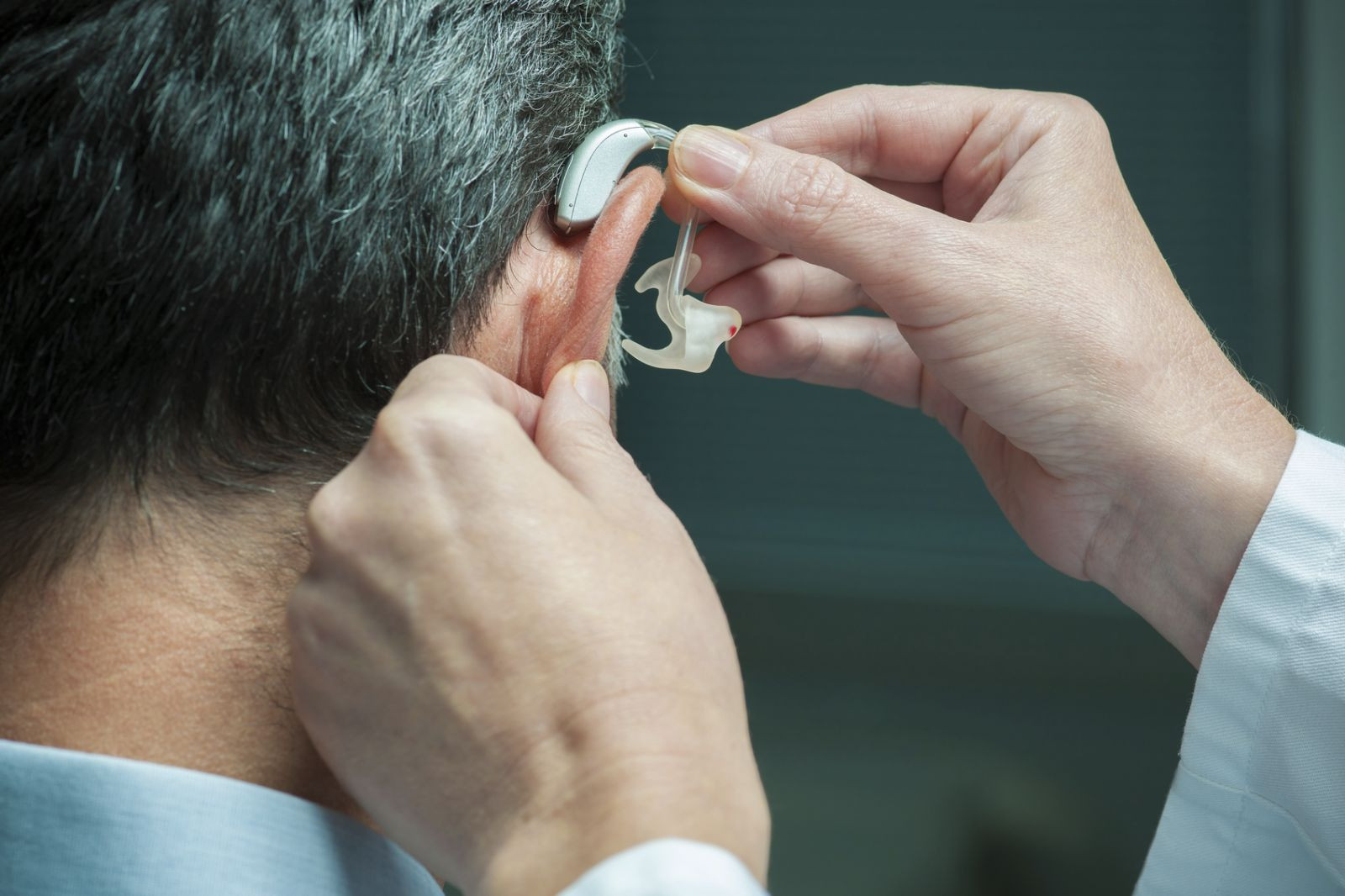
Easier access to hearing aids
The FDA announced in December 2016 that it would no longer enforce the requirement that adults receive a medical evaluation or sign a waiver prior to purchasing most hearing aids.

When You Visit Your Doctor - Acoustic Neuroma
Acoustic Neuroma
Questions to Discuss with Your Doctor:
- Do you have trouble hearing out of one ear or both?
- Do sounds seem distorted in one ear?
- Are sounds different between your two ears?
- Is the hearing loss getting progressively worse?
- Do you have difficulty understanding others when they are talking? For example, do you have trouble hearing people on the other end of the telephone?
- Do you have ear pain?
- Have you been dizzy or lightheaded? If so, does it seem as if the room is spinning?
- Do you feel unsteady when you walk?
- Have you heard ringing or unusual noises in one or both of your ears?
- Do the muscles on one side of your face feel weaker compared to the other side?
- Is there any weakness of your face?
- Have you lost your ability to taste certain foods?
- Have you had headaches? Nausea? Vomiting?
- Have you had double vision or unusual eye movements?
Your Doctor Might Examine the Following Body Structures or Functions:
- Ear, nose, and throat exam, including a screening test of your hearing in each ear
- Neurological exam
Your Doctor Might Order the Following Lab Tests or Studies:
- Audiometry (formal hearing test) by a certified audiologist
- Brain-stem auditory evoked potentials
- MRI or CT scan of the head
When You Visit Your Doctor - Hearing Loss
Hearing Loss
Questions to Discuss with Your Doctor:
- Is your hearing loss on one side or both?
- For how long have you noticed the problem?
- Has your hearing loss been getting worse over time?
- Do you have difficulty understanding other people when they speak?
- Do you say "what?" a lot?
- When you turn on the television, do others say that it is too loud?
- Have you had any kind of ear surgery?
- Have you flown in an airplane recently?
- Do other people in your family have trouble hearing?
- Do you hear ringing in your ears?
- Do you suffer from dizziness or loss of coordination?
- Have you had multiple ear infections in the past?
- Do you currently have an upper respiratory infection (for example, a cold) or other infection?
- Have you had any head injuries or strokes in the past?
- Are you taking any medications?
Your Doctor Might Examine the Following Body Structures or Functions:
- Examine your ears, nose, and throat.
- Test your balance, coordination, and walking.
Your Doctor Might Order the Following Lab Tests or Studies:
- Test your ability to hear.
- Formal hearing testing by an audiologist (hearing specialist)

Are painkillers also killing your hearing?
| Image: iStock |
When you think of risk factors for hearing loss, over-the-counter pain relievers probably aren't among them. But a Harvard study published in the American Journal of Epidemiology suggests that frequent use of ibuprofen (Advil, Motrin) or acetaminophen (Tylenol) may be an important contributor. In the study, women who took the pain relievers at least twice a week were more likely to experience hearing loss, and more frequent usage increased the risk by up to 24%. The findings are similar to a study of men and hearing loss, although aspirin was also found to contribute to risk in that study.
Researchers speculate that the pain relievers may be damaging the cochlea, the snail-shaped hearing mechanism in your inner ear. "Ibuprofen can reduce blood flow to the cochlea, which could result in cellular damage and cell death. Acetaminophen may deplete the antioxidant glutathione, which protects the cochlea from damage," says study author Dr. Sharon Curhan, instructor in medicine at Harvard Medical School.
Does this mean you should think twice before popping a pill for headache or back pain? These medicines do provide good pain relief for many people. "However, frequent use of these medications and use over long periods of time may increase the risk of hearing loss and may cause other adverse health effects. Therefore, it is important to take these medications mindfully and to limit their use as much as possible," says Dr. Curhan. As always, talk to your doctor before making any changes in your medication use.
To learn more about the things that can threaten your hearing, and what you can to do keep this sense sharp and clear, buy Hearing Loss: A guide to prevention and treatment, a Special Health Report from Harvard Medical School.
Treating ear infections in children
If your child is rubbing his ear, should you run to the doctor's office to demand antibiotics? Probably not. Your child may simply have fluid in the ear and not the classic ear infection that parents and children dread.
Middle Ear Fluid (Otitis Media with Effusion)
Over 2 million American children experience fluid in the middle ear each year, often following a cold or an acute ear infection. The condition is also called a silent ear infection because many children have no symptoms. Some children, though, may rub their ear or experience mild pain, sleep disturbances, unexplained clumsiness, muffled hearing, or delays in language and speech development. The condition may be diagnosed during a routine well-child visit with the use of a pneumatic otoscope, which allows the doctor to see how easily the eardrum moves.

The secret to an easier allergy season
Fighting back against tiny allergens before they strike can help you avoid or reduce symptoms.
Image: iStock
The spring allergy season begins next month, and if you want to avoid symptoms, you must act now. "Pretreating allergies will lead to better control of symptoms, and maybe prevent symptoms from showing up," says Dr. Ahmad Sedaghat, an ear, nose, and throat specialist at Harvard-affiliated Massachusetts Eye and Ear Infirmary.
Automatic defenses
When spring allergens—typically pollen from oak, elm, birch, poplar, or maple trees, depending on where you live—float through the air and reach the nose, the body sometimes overreacts. Mast cells in the lining of the nose mistake the harmless tree particles for dangerous invaders, and summon help by releasing chemicals such as histamine and tryptase, which then recruit more immune system cells to the battle.

What causes a cough after a cold?
A persistent cough that remains after an infection has been treated can last for a month or two. There are several treatments that may offer relief, such as antihistamines or a bronchodilator inhaler.
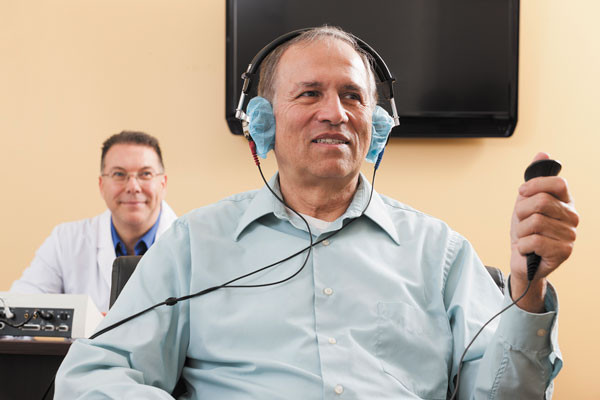
Now hear this: You may need hearing aids
These tiny devices can improve your communication, your relationships, and even your brain function, but only if you use them.
Image: Huntstock/Thinkstock
Age-related hearing loss affects about a quarter of people ages 65 to 74 and half of those ages 75 and older, according to the National Institute on Deafness and Other Communication Disorders. Over all, though, it tends to be more male-oriented.
“By middle age, many men also have hearing nerve damage from long exposure to noises like power tools, music, and guns,” says Dr. Steven Rauch, an otologist with Harvard-affiliated Massachusetts Eye and Ear. Some career choices—like construction, manufacturing, or military service—also contribute.

Even a little exercise linked with lower stroke risk in people with afib
Testosterone therapy without evidence of deficiency may boost heart risk
Weight-loss drug may lower risk of heart attacks and infections
What to eat on the DASH diet
Migraine: How it's diagnosed and what that means
Tricep workouts you can do at home
Mindfulness practices to reduce stress and improve focus
Antihistamines may not offer meaningful relief from eczema symptoms
Overweight and taking blood pressure medications: Study finds it's a trend that's working
FDA approves first mRNA-based flu vaccine
Free Healthbeat Signup
Get the latest in health news delivered to your inbox!
Sign Up
