

CoQ10: Should you take this popular supplement if you're on a statin?

Microplastics: A hidden health threat?

Oat vs. dairy milk: Nutrition, benefits, and downsides

What is tempeh? Benefits, nutrition, and how to use it

Healing after food poisoning

Children of centenarians may stay healthier and live longer too, study finds

Light exposure at night may raise risk for heart disease

Whole grains may improve several heart risk factors at once

A lumbar belt may help ease low back pain

Signs of pneumonia: Sometimes vague and unexpected
Healthy aging and longevity Archive
Articles

Comfort food without the guilt
Simple swaps like whole grains instead of white rice maintain flavor while boosting health benefits.
There's nothing quite like coming in from the cold and sitting down to a hot, hearty meal. The icy temperatures seem to make us yearn for foods that will warm us up inside, stick to our bones, and soothe the soul. "We are warm-bodied creatures, and as the weather cools we actually crave more calories so we can stay warm," explains Sandra Allonen, a registered dietitian with Harvard-affiliated Beth Israel Deaconess Hospital.
But digging into comfort foods all winter — like a savory beef stew, spicy spaghetti and meatballs, macaroni and cheese, fluffy pancakes, gooey pizza, or buttery mashed potatoes — comes with health risks.

Menu alert: U.S. restaurants are offering more sugary drinks
News briefs
Sugary drinks are becoming more plentiful at large restaurant chains, and some drinks are getting sweeter. That's according to a study published in the August issue of the American Journal of Preventive Medicine. Harvard researchers analyzed the beverage offerings of 63 fast-food, fast-casual, or full-service restaurant chains from 2012 to 2017. Over that period, the number of sugary beverages available at the restaurants increased by 82%. Among newly introduced sugary beverages such as sodas, fruit drinks, and sports drinks, from 2012 to 2016 the number of calories per drink increased by about 50, and the average amount of sugar per drink reached a whopping 63 grams. Newly introduced sweetened teas roughly doubled in sugar and calories from 2012 to 2016, jumping from an average of about 140 calories per drink to about 300, and from 25 grams of sugar to 56. But remember: the American Heart Association recommends limiting added sugar to 25 grams per day for women and 36 grams per day for men. If you want to splurge on a sugary drink, try not to consume all of it, or chose a lower-sugar option.
Image: LiliGraphie/Getty Images

Deaths from falls are up; here's how to prevent them
News briefs
Falls are among the biggest killers of older adults. And a pair of studies published June 4, 2019, in JAMA sheds light on the problem and a possible solution. The first study suggests that from 2000 to 2016, death rates among U.S. adults (ages 75 or older) more than doubled, from 52 to 122 per 100,000 people. This result is consistent with many earlier studies. The second study offers a potential way to help prevent falls. Researchers randomly divided 345 older adults who'd suffered a fall into two groups. The people in one group took part in a home-based program involving strength and balance exercises three times per week and a 30-minute walk twice a week. They also received some visits from a physical therapist. The people in the comparison group were asked not to exercise, and they saw their doctors only occasionally. After one year, the exercise group experienced 36% fewer falls than the non-exercise group. The findings support the benefits of exercising to prevent falls. Still, you should talk with your doctor or a physical therapist about whether and how you might try a home-based program.

Cafeteria strategies that may improve your diet
News briefs
Red light, green light — we all know what those mean. And when Harvard researchers added traffic-light symbols to packages and menus in a hospital cafeteria, they found that diners bought healthier foods with fewer calories. The findings were published online July 10, 2019, by JAMA Network Open. Scientists first tracked the cafeteria purchases of hospital employees for a few months. Then they labeled foods with symbols indicating if a food was healthy (green), less healthy (yellow), or unhealthy (red); moved unhealthy foods to less accessible locations in the cafeteria; and tracked purchases for another two years. About 5,700 people bought food during that time. When researchers linked calorie information to purchases, they found a 6% decrease in calories per purchase over two years, including a 23% decrease in calories from the least healthy foods. This builds on previous research that found sales of red-stickered items dropped by 4% and sales of green-stickered items grew by 5% during the study. Can you try this at home? Maybe not the traffic-light stickers. "But making it harder to access unhealthy foods gives you enough time to think about your choice before eating something that is not consistent with your goals," says lead author Dr. Anne Thorndike, who specializes in obesity treatment and prevention at Harvard-affiliated Massachusetts General Hospital. "Strategies include having a drawer for the unhealthy foods, placing unhealthy snacks high on a shelf, and having a goto' shelf for healthy snacks."
Image: lcs813/Getty Images

The right way to "do lunch"
Smart choices for your midday meal may help set the stage for healthier eating throughout the day.
The classic American lunch — a deli sandwich, potato chips, and a soda — isn't exactly heart-friendly fare. Even salad bars can be tricky to navigate when you're trying to choose a nutritious but satisfying lunch. In fact, more than half of employed Americans who usually eat lunch on the job find it hard to eat a healthy lunch, according to a recent survey from the American Heart Association.
"Helping people understand what makes a healthy lunch may help them eat fewer calories and maybe even inspire them to make healthier food decisions the rest of the day," says Dr. Anne Thorndike, associate professor of medicine at Harvard Medical School. In a study of nearly 5,700 hospital employees, she and colleagues found that labeling cafeteria foods with simple "traffic light" symbols that reflected their relative health value was linked to healthier choices by employees. They ate fewer calories, mostly by eating fewer high-fat, high-calorie "red light" foods and more "green light" foods (in which the main ingredient was fruit, vegetable, whole grain, lean protein, or low-fat dairy). What's more, these dietary shifts lasted over a period of two years. For employees who visited the cafeteria most frequently, the estimated drop in calories could translate to a weight loss of up to 4.4 pounds over time, says Dr. Thorndike. The study was published July 10 in JAMA Network Open.
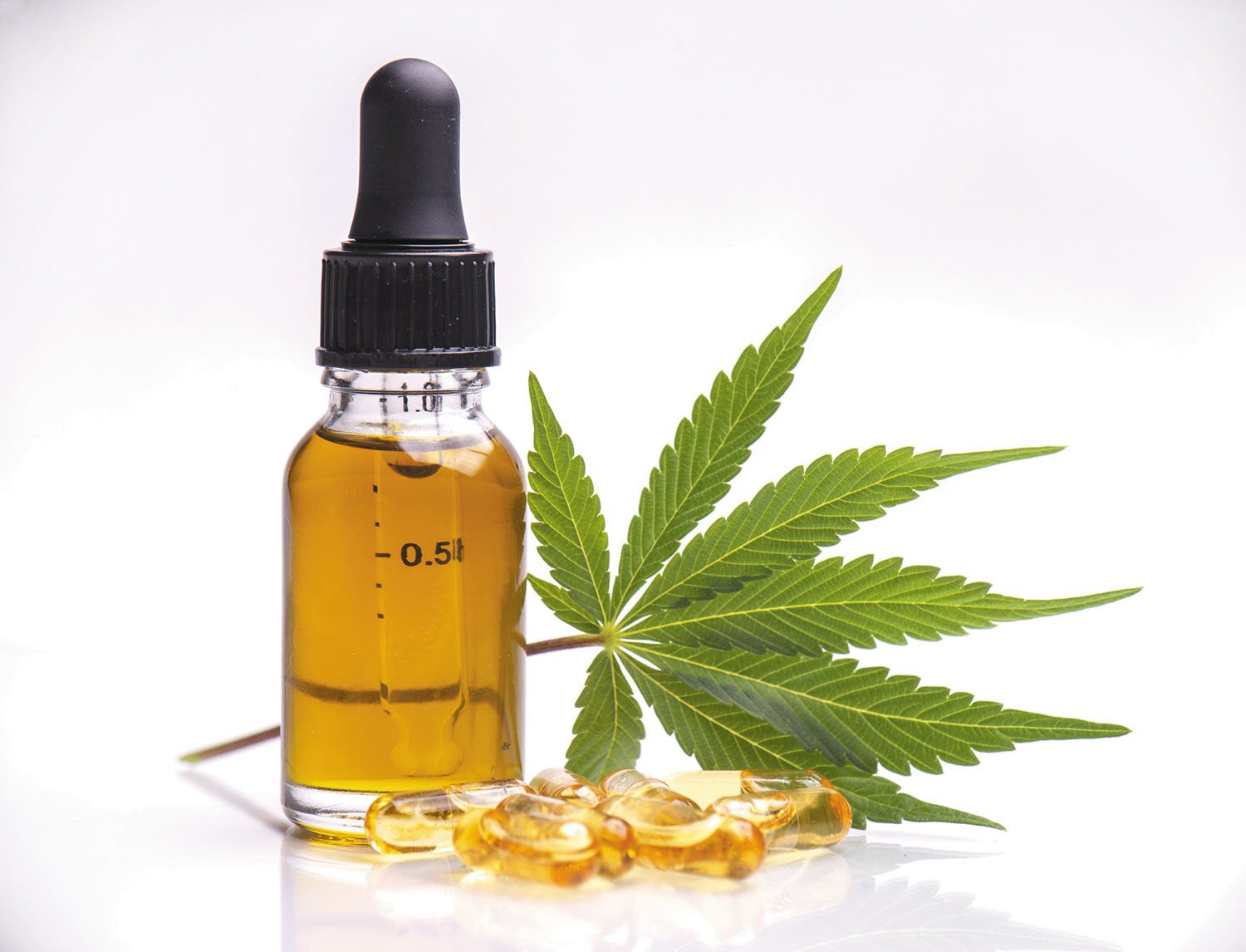
Know the facts about CBD products
The extract from the cannabis plant is the hot new treatment for all kinds of ailments, but don't buy into it just yet.
Cannabidiol (CBD), extracted from the cannabis or hemp plant, has been promoted as the latest miracle cure for everything from aches and pains to anxiety and sleep disorders. There is a good chance you've heard a friend share his or her story about the wonders of CBD.
But is it miraculous — or just a mirage?
"CBD is being used over the counter in a range of ways that is not supported by the science," says Dr. Jordan Tishler, instructor of medicine at Harvard Medical School and president of the Association of Cannabis Specialists. "There is still much we don't know. But aggressive marketing, hype, and word of mouth have made CBD like a drug version of the emperor's new clothes. Everyone says it works, but lab studies suggest that it's really not what people think."
Should I get my vitamin D levels checked?
On call
Q. Are there any particular reasons why men should get a routine blood test to check for a vitamin D deficiency?
A. The importance of sufficient vitamin D for bone health has a long history. In the past few decades, several studies have suggested that vitamin D might have other health benefits as well.

Have a ball with exercise
Big, round, and soft, exercise balls can put some bounce back into your workouts.
They go by many names: Swiss balls, physio balls, stability balls, or simply exercise balls. No matter what you call them, one of these large, lightweight inflatable balls is one of the most versatile and supportive pieces of equipment you can own.
"Exercise balls are so simple in design and function, yet they can be used for all kinds of home and gym exercises," says Dr. Rachel Lampros, a sports physical therapist with Harvard-affiliated Massachusetts General Hospital. "They can add more benefits to standard exercises like dumbbell curls and sit-ups, and they're one of the best ways to help people with specific limitations. There's a good reason why they are so popular with trainers and physical therapists."

Counting daily steps can make you more active
In the journals
People who track their daily steps generally become more active and are less likely to develop certain health problems, suggests a study published online June 25, 2019, by PLOS Medicine. Researchers examined information on about 1,300 adults (41% men), ages 45 to 75, from two trials. Most were nonsmokers in good health and without cardiovascular disease. The people took an average of 7,500 steps a day and did about 90 minutes a week of moderate-to-vigorous physical activity.
For the trials, half the participants tracked their steps with a pedometer for 12 weeks while the others did not. The pedometer group also received handbooks on walking programs and regular interactions with nurses who offered support and helped them set fitness goals. Some continued to track their daily steps after the trials ended, while others said the experience helped them better gauge how many steps they take each day.

Problems with bloating? Watch your sodium intake
In the journals
If you suffer from regular bloating after eating, you may want to check your sodium intake, suggests a study published in July 2019 in The American Journal of Gastroenterology.
Scientists analyzed data from the Dietary Approaches to Stop Hypertension–Sodium trial (DASH-Sodium) from two decades ago. The original study compared the DASH diet — a high-fiber diet low in fat and high in fruits, nuts, and vegetables — against a low-fiber control diet. The study also looked at sodium intake as the participants consumed both high- and low-sodium versions of their diets. The study primarily focused on how dietary sodium affected blood pressure.
CoQ10: Should you take this popular supplement if you're on a statin?
Microplastics: A hidden health threat?
Oat vs. dairy milk: Nutrition, benefits, and downsides
What is tempeh? Benefits, nutrition, and how to use it
Healing after food poisoning
Children of centenarians may stay healthier and live longer too, study finds
Light exposure at night may raise risk for heart disease
Whole grains may improve several heart risk factors at once
A lumbar belt may help ease low back pain
Signs of pneumonia: Sometimes vague and unexpected
Free Healthbeat Signup
Get the latest in health news delivered to your inbox!
Sign Up
