CoQ10: Should you take this popular supplement if you're on a statin?

Microplastics: A hidden health threat?

Oat vs. dairy milk: Nutrition, benefits, and downsides

What is tempeh? Benefits, nutrition, and how to use it

Healing after food poisoning

Children of centenarians may stay healthier and live longer too, study finds

Light exposure at night may raise risk for heart disease

Whole grains may improve several heart risk factors at once

A lumbar belt may help ease low back pain

Signs of pneumonia: Sometimes vague and unexpected
Healthy aging and longevity Archive
Articles

Can I change my sleep-wake habits?
On call
Q. I've always been a night owl, but now really drag in the morning. Is it too late to adjust my sleep-wake times?
A. It's never too late to reset your sleep-wake schedule. In fact, by doing so, you can improve your quality of life and potentially your overall health.

Strike a pose
The plank pose is perfect for strengthening your core.
Almost every move you make revolves around your core — from picking up items on the floor, to twisting to see if the coast is clear when driving, to playing with your grandkids.
Your core is made up of several muscle groups (see "To the core"), so keeping each one equally strong and healthy can be a challenge.
Put your best foot forward
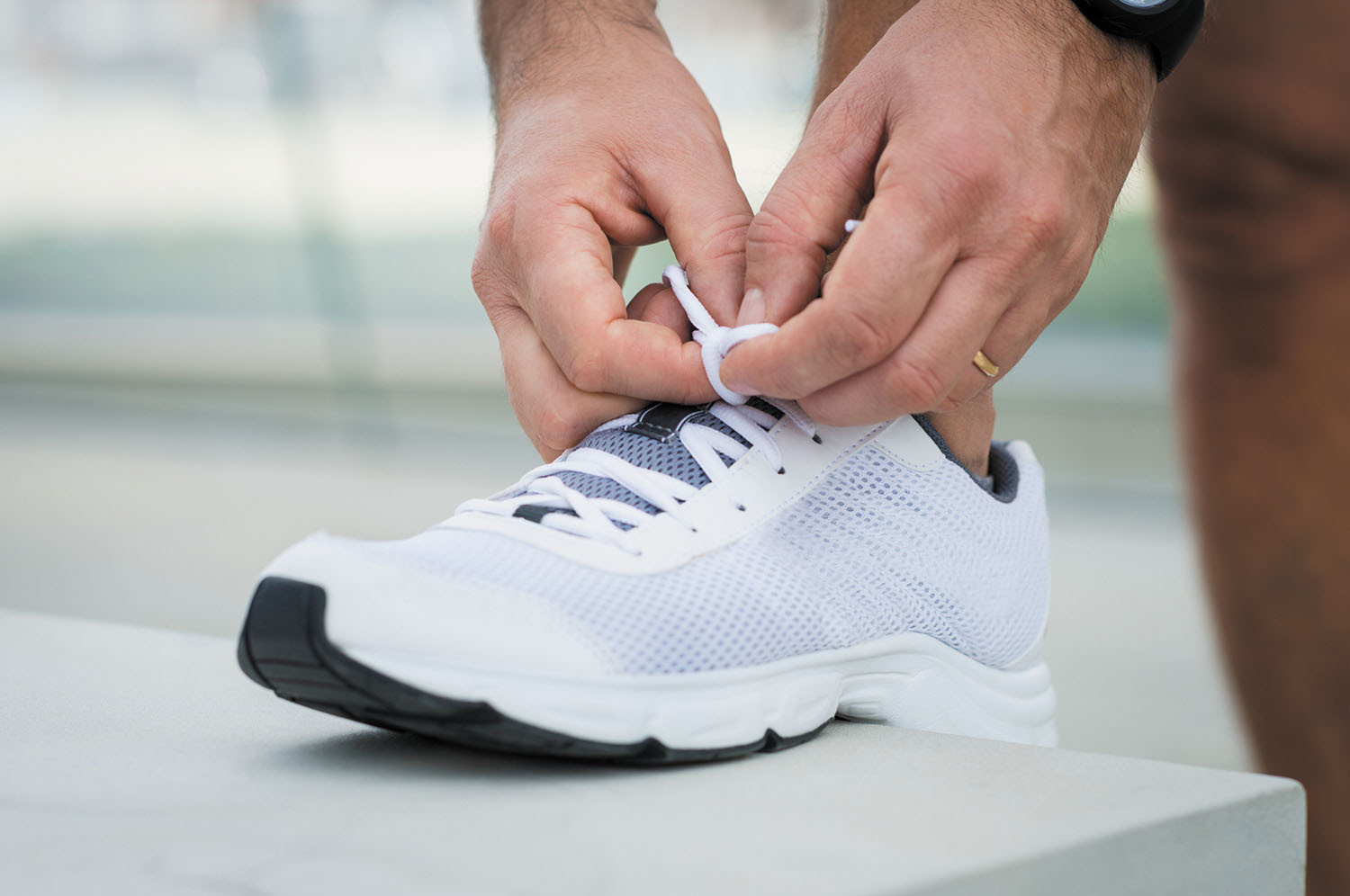
The right athletic footwear can protect against injuries.
When one's feet hurt, one hurts all over. That saying, often attributed to the Greek philosopher Socrates, is as true now as it was more than 2,000 years ago.
One of the best ways to prevent age-old foot pain and the soreness that can come with it, like in the knees, hips, and back, is to invest in quality athletic footwear.

White meat raises “bad” cholesterol levels just like red meat
In the journals
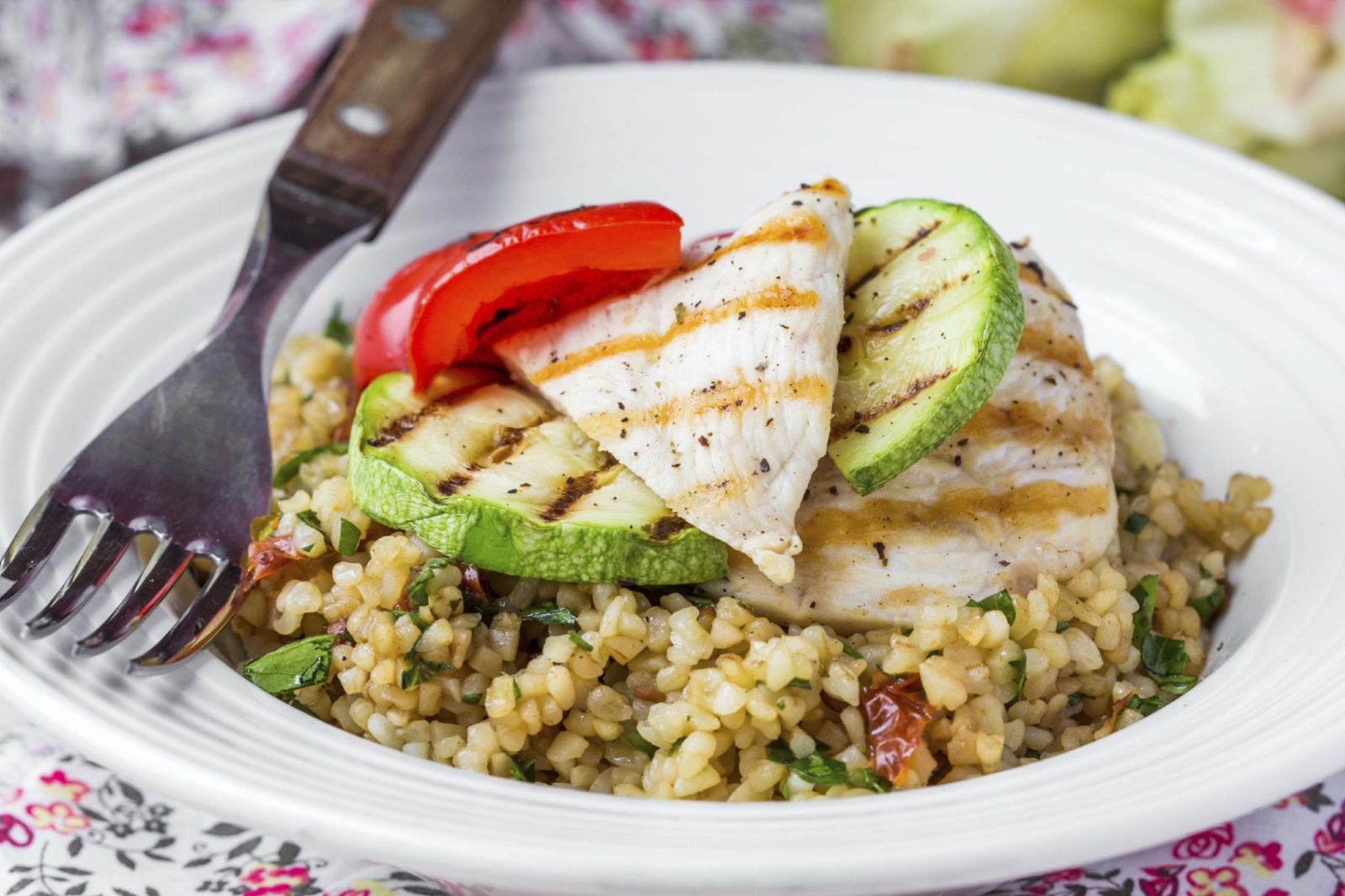
Eating large amounts of red meat can raise LDL (bad) cholesterol levels, but new research suggests you should curb your intake of white meat, too. The findings were published online June 4, 2019, by The American Journal of Clinical Nutrition.
Researchers randomly assigned 113 healthy adults, ages 21 to 65, to follow a four-week diet with high levels of either red meat, white meat (chicken and turkey), or plant-based protein (such as nuts, whole grains, soy products, and legumes). Afterward, LDL levels in the high-red-meat diet group rose, as predicted, but the researchers found that high levels of poultry had the same effect on LDL levels as red meat.

Food ingredients under the microscope
At least one additive — a preservative called propionate — could be linked to diabetes and obesity.
Scientists are giving food additives and other ingredients more scrutiny these days, thanks to new technology that allows them to get an up-close view of how individual molecules affect the body. And they are already discovering some surprising information that could change what you put on your plate in the future.
Consider propionate, or propionic acid, a naturally oc-curring fatty acid and a common preservative found in everything from bread and animal feeds to pudding and cheese. A study published online April 24 by Science Translational Medicine found that this ingredient may disrupt the metabolism, triggering the body to produce excess glucose (blood sugar), which could lead to diabetes and obesity.

Why did the FDA issue a fecal transplant warning?
Ask the doctors
Q. I heard that the FDA recently issued a warning related to a specific treatment for Clostridium difficile infections. Can you explain what this warning is about?
A. The FDA issued a warning in June aimed at health care providers who are using fecal transplants to treat Clostridium difficile (C. difficile) infections that have not responded to traditional treatments, such as antibiotics. Doctors perform fecal transplants (which are still considered investigational by the FDA) by introducing stool from a healthy donor into the gastrointestinal tract of the person infected with C. difficile. The introduction of healthful bacteria can sometimes treat the infection, which typically inflames the colon causing symptoms such as severe diarrhea, cramps, and fever. The FDA issued its warning after two immunocompromised adults developed infections from an antibiotic-resistant strain of Escherichia coli (E. coli) following transplants from stool contaminated with the bacteria. Both people got transplants from the same donor. One of the two people died following the infection. To prevent similar problems in the future, the FDA now recommends that doctors performing these transplants follow some new safety measures, including the following:
Red meat, TMAO, and your heart
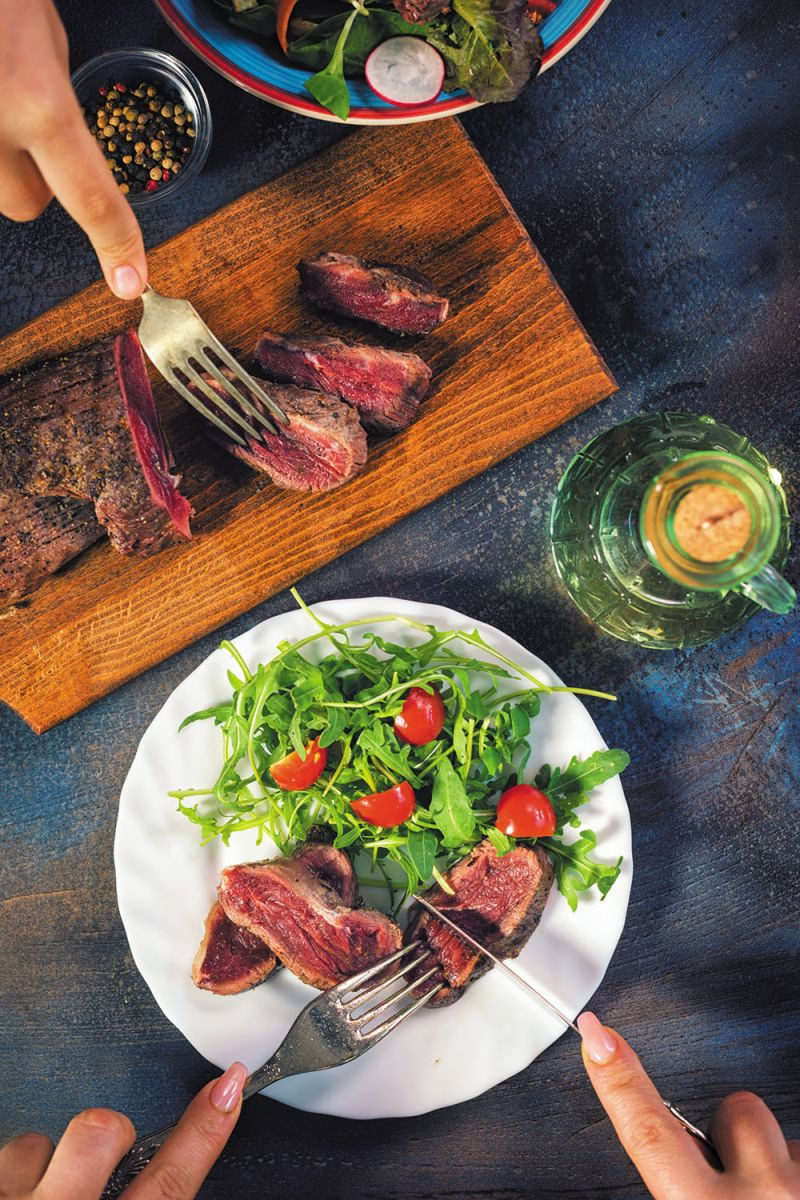
A substance called trimethylamine N-oxide, which is produced when your body digests red meat, may raise the risk of cardiovascular problems.
Experts used to think that red meat raised your risk of heart disease simply because it was high in saturated fat. But today that picture has gotten more complicated thanks to the discovery of a metabolite — a substance produced during digestion and metabolism — called trimethylamine N-oxide, or TMAO.
According to a news article published June 11 in JAMA, three recent analyses have linked high blood levels of TMAO with a higher risk for both cardiovascular disease and early death from any cause. In one of those studies, researchers found that people with higher levels of TMAO in their blood may have more than twice the risk of heart attack, stroke, or other serious cardiovascular problems, compared with people who have lower levels. Other studies have found links between high TMAO levels and heart failure and chronic kidney disease.
Don’t forget your feet
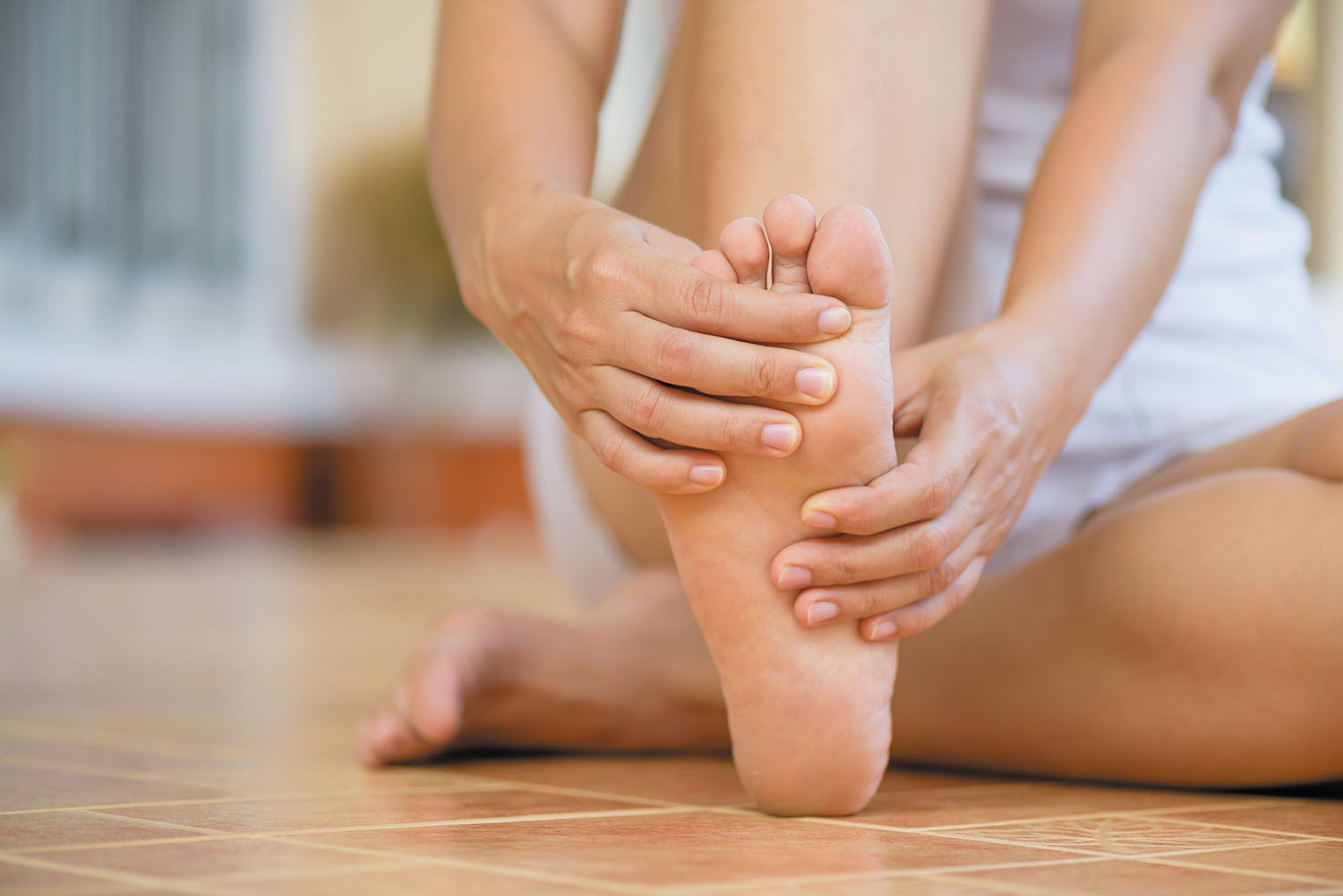
Women sometimes neglect their feet until they start to experience foot pain and other problems.
Most women get their teeth cleaned at least once a year, keep tabs on their heart, and may even have an annual eye exam. While they might clip and paint their toenails on a regular basis, women often neglect the health of their feet.
That lack of attention can lead to pain and other foot problems, which are common and — for some people — life-altering.

Artificial light at night may lead to weight gain
Research we're watching
If you leave lights shining or keep the television on while you sleep, it could affect your waistline, according to a study published online June 10 by JAMA Internal Medicine. The study found an association between exposure to artificial light during sleep and weight gain in women.
The research team looked at questionnaires completed by more than 40,000 women, which asked, among other things, whether the women slept with lights on nearby or in the same room. The researchers also recorded the women's height, body mass index (a measure of weight in relation to height), and waist size at the time they entered the study and then five years later. They found that women who slept with a light or television on in the room were 17% more likely to have gained 11 pounds or more during the course of the study. They did not find a similar effect when women used a small night light or had a light on outside the room that shone in. It's not clear why exposure to artificial light was linked with weight gain, but researchers speculated that it might affect sleep quality.

CoQ10: Should you take this popular supplement if you're on a statin?
Microplastics: A hidden health threat?
Oat vs. dairy milk: Nutrition, benefits, and downsides
What is tempeh? Benefits, nutrition, and how to use it
Healing after food poisoning
Children of centenarians may stay healthier and live longer too, study finds
Light exposure at night may raise risk for heart disease
Whole grains may improve several heart risk factors at once
A lumbar belt may help ease low back pain
Signs of pneumonia: Sometimes vague and unexpected
Free Healthbeat Signup
Get the latest in health news delivered to your inbox!
Sign Up