

CoQ10: Should you take this popular supplement if you're on a statin?

Microplastics: A hidden health threat?

Oat vs. dairy milk: Nutrition, benefits, and downsides

What is tempeh? Benefits, nutrition, and how to use it

Healing after food poisoning

Children of centenarians may stay healthier and live longer too, study finds

Light exposure at night may raise risk for heart disease

Whole grains may improve several heart risk factors at once

A lumbar belt may help ease low back pain

Signs of pneumonia: Sometimes vague and unexpected
Healthy aging and longevity Archive
Articles
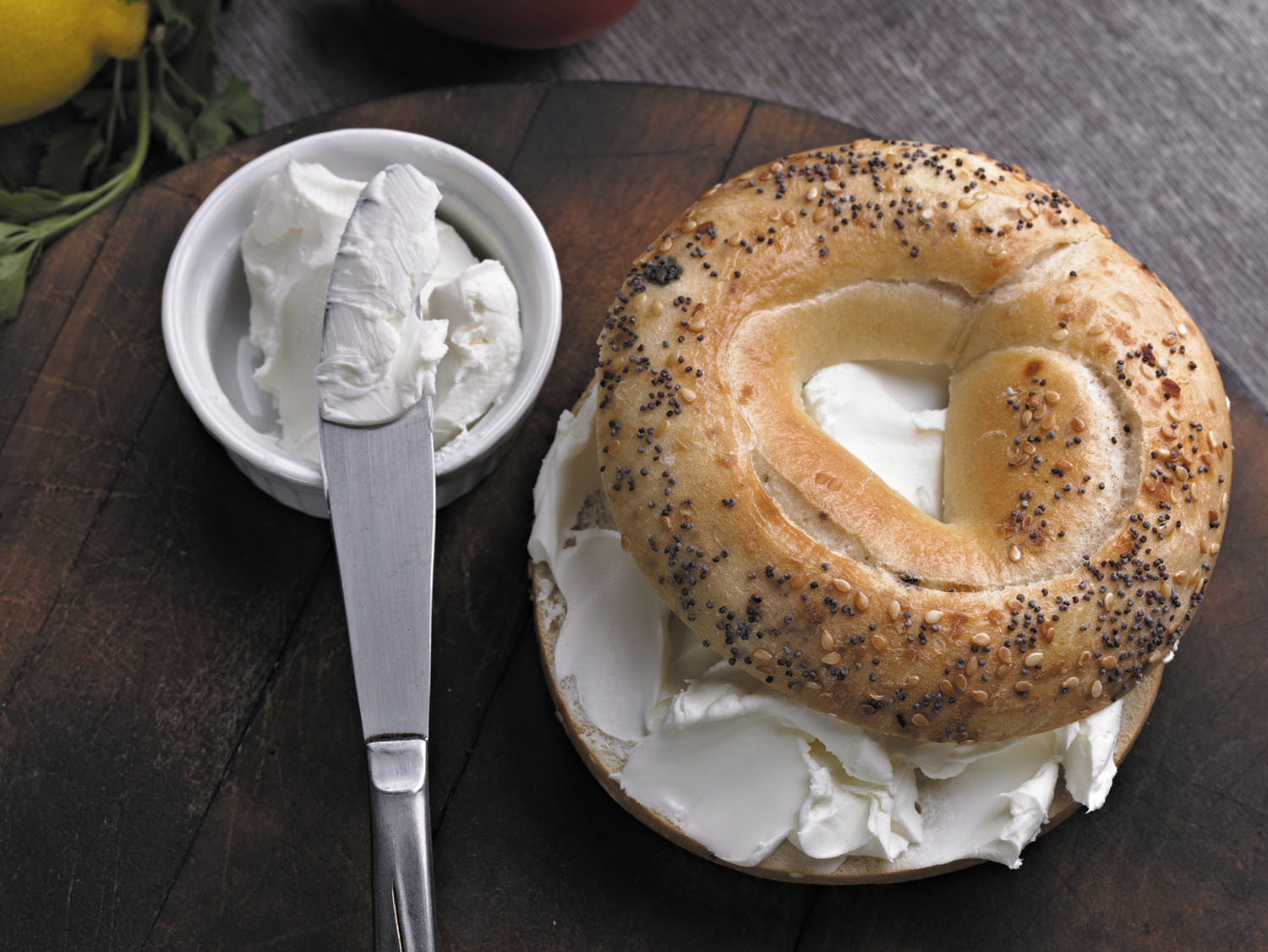
Ultra-processed foods appear to cause overeating and weight gain
News briefs
Eating food that's ultra-processed — not just chips or cookies, but also things like breakfast cereal, deli meat, or canned fruit in syrup — makes people overeat and gain weight, compared with eating food that's unprocessed. That's according to a small randomized controlled trial published online May 16, 2019, by Cell Metabolism. It involved 20 men and women who stayed at a research facility for a month and were randomly assigned to one of two diets. One group was given ultra-processed foods (such as a breakfast of a bagel with cream cheese and turkey bacon), and the other group was fed unprocessed foods (such as a breakfast of oatmeal with bananas, walnuts, and skim milk). After two weeks, participants were switched to the opposite diets. Both diets were evenly matched for total calories, macronutrients, fiber, sugars, and sodium, and participants were allowed to eat as much or as little as they wanted. But they ate more calories when they were eating ultra-processed foods, compared with when they ate unprocessed foods, and they gained more weight on the ultra-processed diet. Why? It's not exactly clear, but researchers did find that appetite-suppressing hormones decreased and hunger hormones increased when people ate processed foods. Bottom line: Eat whole, unprocessed foods with as few ingredients as possible.
Image: © 4kodiak/Getty Images

Take a stand against heart disease
Sedentary time is one of the greatest threats to heart health.
First, the good news: more Americans than ever are considered active. A new report on heart disease and stroke statistics, published March 5, 2019, in Circulation, found the proportion of active adults increased from about 60% to 73% between 2007 and 2016.
Now, the bad news: despite this impressive increase, the same report found that almost one-quarter of American adults still don't meet the federal guidelines for physical activity.

The state of gas
Excess gas can be annoying, but is it cause for concern?
Gas is a normal — yet embarrassing — part of digestion. "We're all pretty gassy as individuals," says Dr. Kyle Staller, a gastroenterologist with Harvard-affiliated Massachusetts General Hospital.
In fact, the average person produces between 1/2 and 1 liter of gas every day and passes gas about 10 to 20 times. "While people may not like it when they do it, especially at inappropriate times, it's just a sign of a regular, healthy digestive system at work," says Dr. Staller.
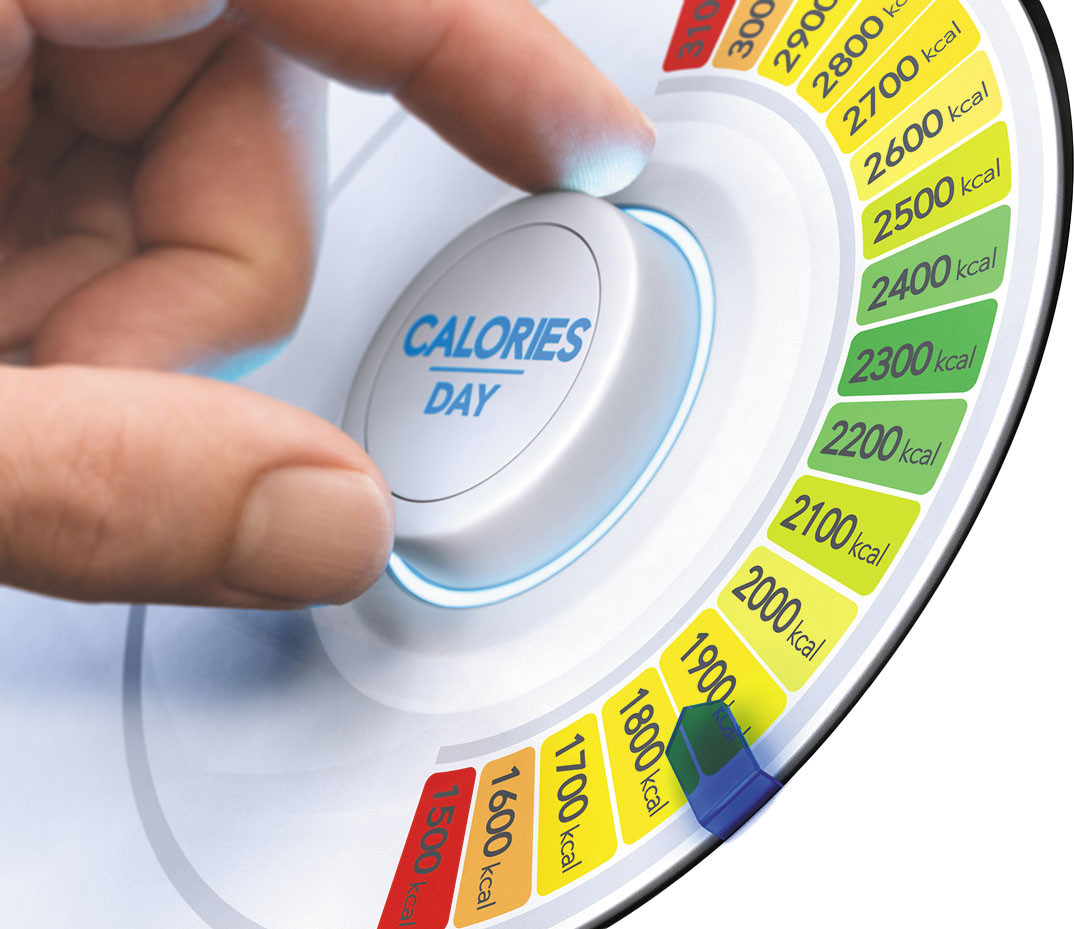
Counting on calories
How many daily calories do you really need? It depends on many factors.
When it comes to nutrition, calories embody the ultimate love-hate relationship. Consume too little, and you don't have the energy to function at your best. Eat too much, and you risk weight gain. It's no surprise, then, that counting calories can be such an obsession.
But how much do you really need every day? Unfortunately, there is not a single, simple answer. Men ages 50 and older require 2,000 to 2,800 calories per day, or an average of about 2,500, says Dr. Qi Sun, associate professor in the Department of Nutrition at the Harvard T.H. Chan School of Public Health.
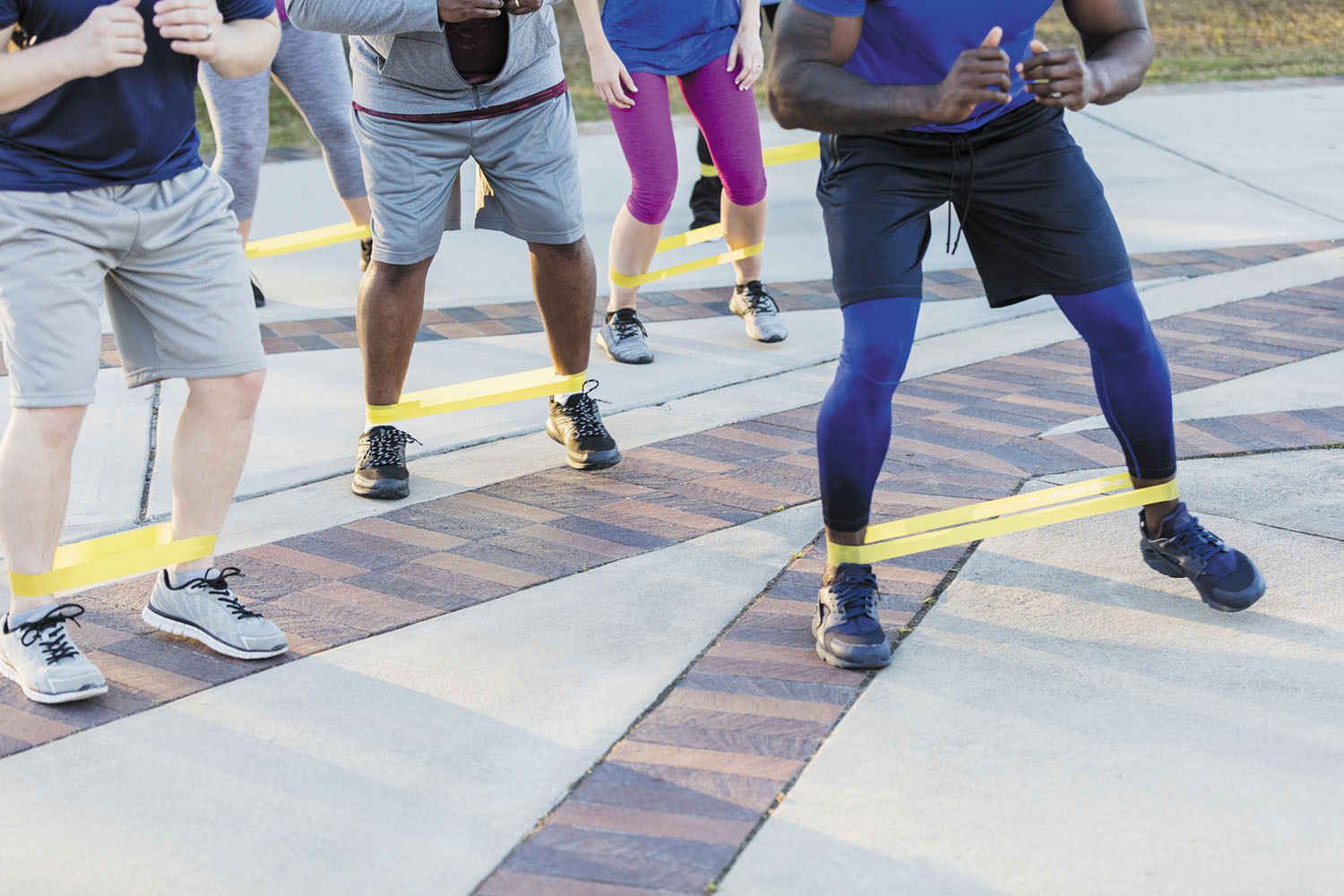
Join the resistance
Resistance bands offer an easy way to get an all-around strength workout at home.
They are cheap and lightweight. They travel well, and you can do almost any kind of muscle-strengthening exercise with them. They are giant rubber bands known as resistance bands, and they should be part of every man's exercise toolbox.
"Whether you need to focus on specific areas or need to better control exercise resistance — like when recovering from an injury or dealing with joint pain — bands offer something for almost anyone, no matter his physical health, limitations, or fitness goals," says physical therapist Shawn Pedicini with Harvard-affiliated Spaulding Rehabilitation Network.

Feel healthy? You still may be at risk for heart disease
In the journals
Even if you believe you're in excellent health, you could still be at risk for a heart attack or stroke, suggests a study of more than 6,800 people, average age 62, published Feb. 15, 2019, in JAMA Network Open. At the study's beginning, participants rated their health as excellent, very good, good, or poor/fair. (More than half the men reported being in very good or excellent health.)
Next, everyone had a coronary artery calcium (CAC) scan, which detects plaque buildup in the arteries of the heart. The scores range from zero to 100 and higher, with zero meaning no plaque buildup is present and cardio-vascular disease risk is at its lowest.

Soy protein helps lower bad cholesterol a small but important amount
In the journals
Another way to lower LDL (bad) cholesterol levels? Eat more soy protein, suggests a study published online April 22, 2019, by The Journal of Nutrition.
Researchers examined 43 trials to evaluate the effect soy had on LDL levels. (High LDL levels can lead to a buildup of cholesterol in arteries and increase a person's risk of cardiovascular disease.)

What can you do to avoid Alzheimer’s disease?
How a healthy lifestyle can make a difference in Alzheimer’s prevention.
Alzheimer's disease, the most common form of dementia, is characterized by the accumulation of two types of protein in the brain: tangles (tau) and plaques (amyloid-beta). Eventually, Alzheimer's kills brain cells and takes people's lives.
Alzheimer’s causes
What causes Alzheimer's? We still aren't sure. "For 1% of all cases, there are three genes that determine definitively whether or not you will have Alzheimer's, and all three relate to amyloid-beta production, which in these cases is likely the cause of Alzheimer's," says Dr. Gad Marshall, associate medical director of clinical trials at the Center for Alzheimer Research and Treatment at Harvard-affiliated Brigham and Women's Hospital. "For the other 99%, amyloid and tau are closely associated with Alzheimer's, but many things may contribute to the development of symptoms, such as inflammation in the brain, vascular risk factors, and lifestyle."
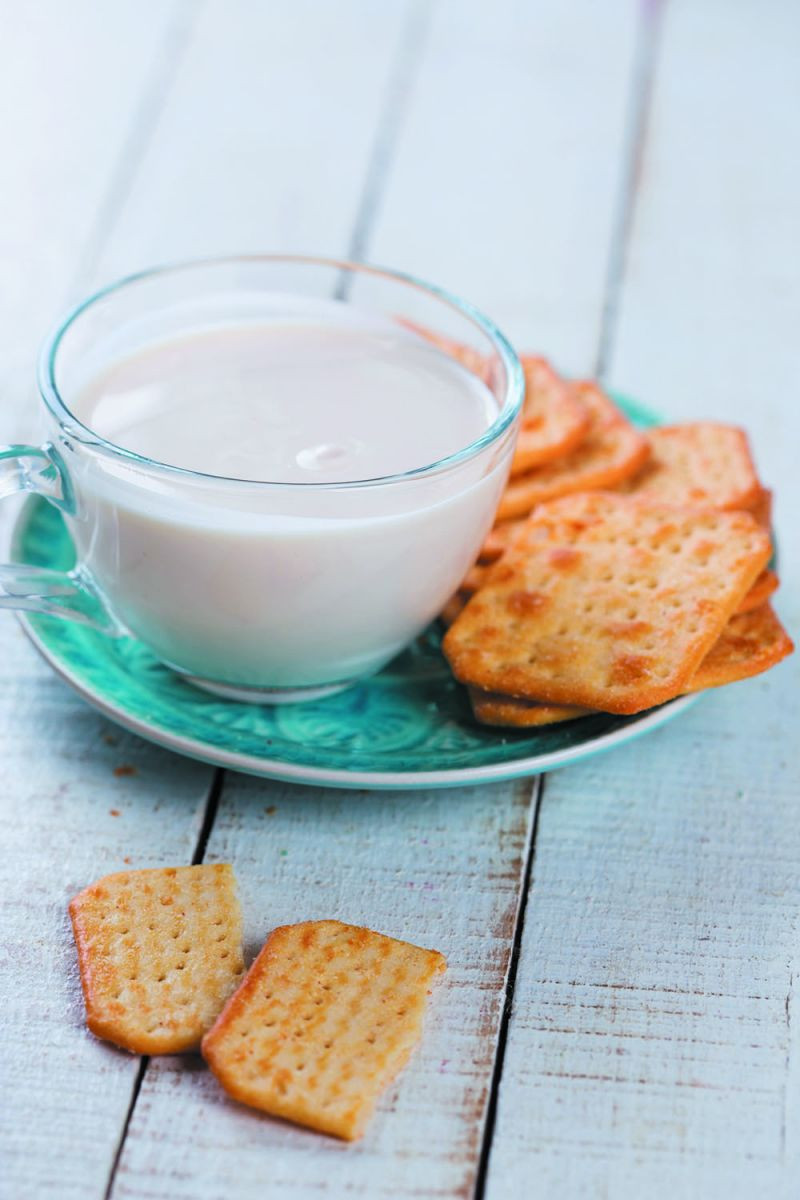
What to do when your medication causes nausea
Taking your pills with a light snack or at bedtime may help reduce the nausea.
You take medication hoping it will make you feel better. But sometimes it makes you feel worse. "Nausea is one of the most common side effects of medications we hear about," says Joanne Doyle Petrongolo, a pharmacist at Harvard-affiliated Massachusetts General Hospital.
About nausea
Nausea is a queasy feeling in your stomach — you may feel seasick, or you may feel you're about to vomit. Medications that commonly cause nausea as a side effect include antibiotics, such as erythromycin (Erythrocin); aspirin; nonsteroidal anti-inflammatory drugs (NSAIDs), such as ibuprofen (Advil, Motrin) or naproxen (Aleve); and some blood pressure drugs, such as the calcium-channel blocker nifedipine (Nifedical, Procardia).

Are you tired from...too much sleep?
A bad night's sleep can leave you feeling pretty tired the next day. Put a string of those together and nagging fatigue starts to set in.
Getting good sleep, in the right amount, can make a big difference in how you feel. Too little or too much sleep can increase your perception of fatigue. And even if you get enough hours of sleep, you might find yourself dragging the next day if that sleep was interrupted by frequent awakenings or was of poor quality.
CoQ10: Should you take this popular supplement if you're on a statin?
Microplastics: A hidden health threat?
Oat vs. dairy milk: Nutrition, benefits, and downsides
What is tempeh? Benefits, nutrition, and how to use it
Healing after food poisoning
Children of centenarians may stay healthier and live longer too, study finds
Light exposure at night may raise risk for heart disease
Whole grains may improve several heart risk factors at once
A lumbar belt may help ease low back pain
Signs of pneumonia: Sometimes vague and unexpected
Free Healthbeat Signup
Get the latest in health news delivered to your inbox!
Sign Up
