

CoQ10: Should you take this popular supplement if you're on a statin?

Microplastics: A hidden health threat?

Oat vs. dairy milk: Nutrition, benefits, and downsides

What is tempeh? Benefits, nutrition, and how to use it

Healing after food poisoning

Children of centenarians may stay healthier and live longer too, study finds

Light exposure at night may raise risk for heart disease

Whole grains may improve several heart risk factors at once

A lumbar belt may help ease low back pain

Signs of pneumonia: Sometimes vague and unexpected
Healthy aging and longevity Archive
Articles

Keep your health habits on track during the holidays
Put the focus on friends, family, and fun, instead of food.
It's November, time for Thanksgiving and the start of the holiday season, which is also known as the time of year when healthy habits slide off track and waistbands get tighter.
"The truth is, people do tend to abandon healthy habits during the winter," says Dr. Beth Frates, clinical assistant professor of physical medicine and rehabilitation at Harvard Medical School. Blame the cold weather that keeps you inside and makes you feel sluggish, or the parade of holiday parties. Who wants to stick to a diet or trudge to the gym?

Taking multiple prescriptions can be risky
Simple organization and communication strategies can help you manage your medications and reduce health risks.
If your pillbox is overflowing, you're not alone. Some 60% of Americans have at least one chronic condition, and 40% have two or more, according to the CDC. Doctors often prescribe multiple drugs to manage them.
"Some studies have found that a large number of people are taking as many as 12 to 15 drugs at a time," says Dr. David Bates, a professor of medicine at Harvard Medical School.

Bisexuality and health: The cost of invisibility
People who identify as bisexual represent a substantial part of the population, yet research focusing on their health lags. Which health problems are more likely to occur in people who are bisexual and what might help to counter them?
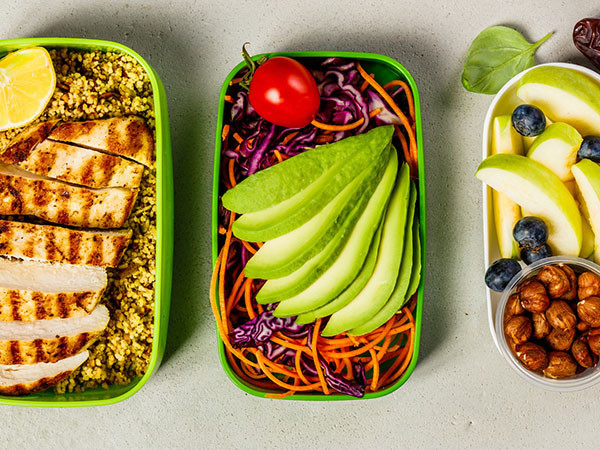
Healthy meals: 3 easy steps to success
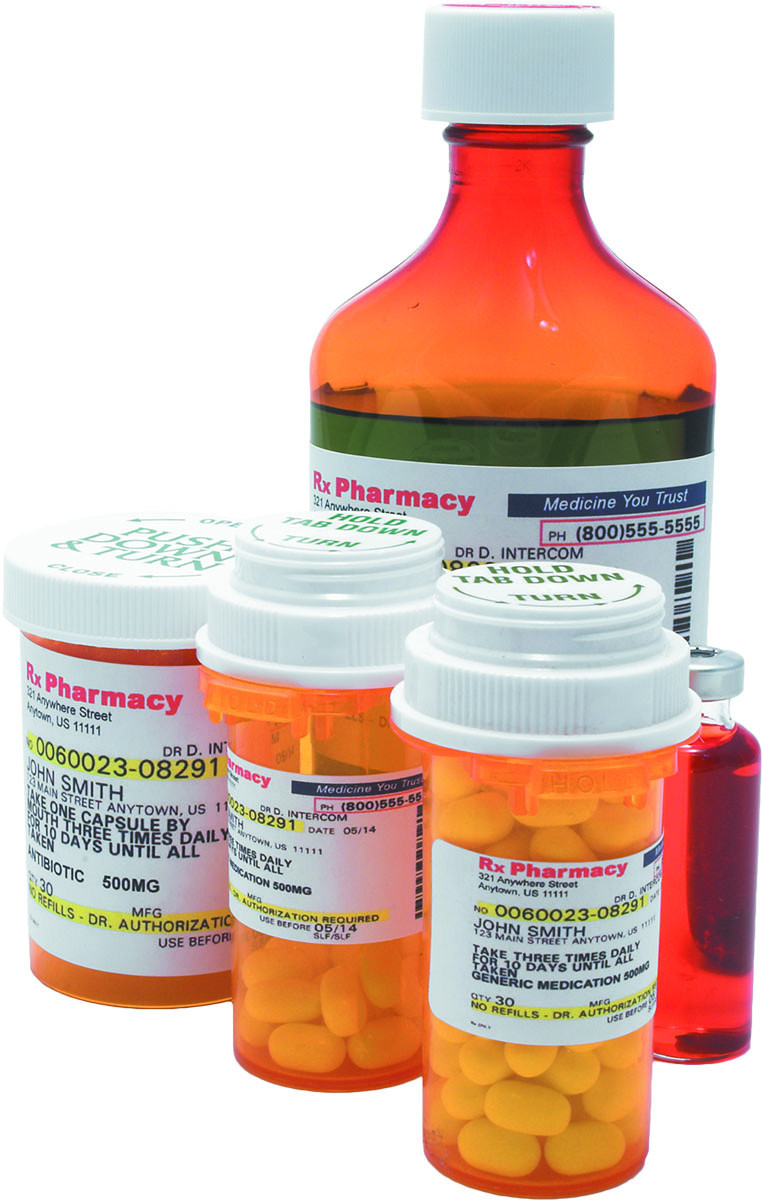
What to do when medication makes you constipated
Antidepressants and opioids are common offenders.
It's frustrating when you feel the urge to move your bowels but can't seem to go. Before blaming your diet, consider whether medication side effects are causing your constipation.
Possible suspects
Many medications can contribute to constipation, including the following:

Get relief from eczema
Eczema is an itchy rash that's often hard to get rid of. Most people can't help scratching it, which further irritates the skin. Eczema is often, but not always, related to allergies. A common cause is your skin overreacting to everyday irritants, such as dust, soaps and detergents, or even dry, cold air, which triggers an intensely itchy allergic reaction.
Skin affected by eczema becomes dehydrated and dry easily, so treatment involves rehydrating the skin. Baths and showers must be short and not too hot. Afterwards, gently pat your skin dry and promptly apply moisturizers while your skin is still moist. Thick creams that lock in the moisture help the most. Be sure to choose creams or lotions without fragrances or preservatives. Limit the use of soaps and shampoos, too. These products remove the skin's natural oils and worsen dryness. And over-the-counter oral antihistamines can help with the ferocious itch.

Daily skin care in 3 simple steps
A widely-advertised facial moisturizer claims to be the best on the market — and sells for $225 per bottle. Should you buy it? Another brand offers a complete skin care regimen — but it comes in 10 different bottles of lotions and potions that all need to be applied daily. Is it worth your time?
Despite manufacturers' claims, many cosmetic products will remove more cash from your wallet than dirt and oils from your skin. You don't need an expensive or lengthy skin care routine — and the good news is, the most effective and reliable regimen is also quick and inexpensive.

Can your CPAP make you sick?
Using a CPAP machine is beneficial for people with obstructive sleep apnea, but if the machine isn’t kept clean it could lead to an illness. There are sanitizing systems available, but cleaning the parts by hand is just as effective.
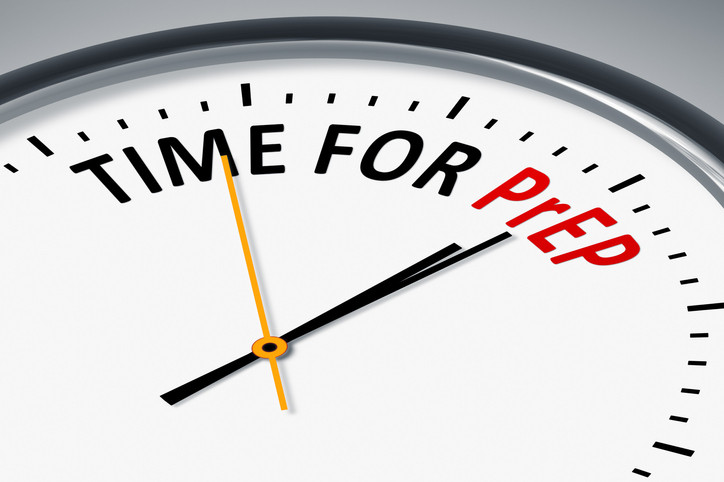
PrEP prevents HIV — so why aren’t more people taking it?
PrEP (pre-exposure prophylaxis) is a daily medication taken to prevent HIV infection. While multiple studies show PrEP is effective, relatively few of those who might benefit are taking it. Will a 10-year initiative to reduce rates of HIV and a new formulation of PrEP help?

CoQ10: Should you take this popular supplement if you're on a statin?
Microplastics: A hidden health threat?
Oat vs. dairy milk: Nutrition, benefits, and downsides
What is tempeh? Benefits, nutrition, and how to use it
Healing after food poisoning
Children of centenarians may stay healthier and live longer too, study finds
Light exposure at night may raise risk for heart disease
Whole grains may improve several heart risk factors at once
A lumbar belt may help ease low back pain
Signs of pneumonia: Sometimes vague and unexpected
Free Healthbeat Signup
Get the latest in health news delivered to your inbox!
Sign Up
