

CoQ10: Should you take this popular supplement if you're on a statin?

Microplastics: A hidden health threat?

Oat vs. dairy milk: Nutrition, benefits, and downsides

What is tempeh? Benefits, nutrition, and how to use it

Healing after food poisoning

Children of centenarians may stay healthier and live longer too, study finds

Light exposure at night may raise risk for heart disease

Whole grains may improve several heart risk factors at once

A lumbar belt may help ease low back pain

Signs of pneumonia: Sometimes vague and unexpected
Healthy aging and longevity Archive
Articles


Careful! Health news headlines can be deceiving
Eye-catching media headlines are intended to snag our attention and can influence whether we decide to read, click on, or tune into a story. When it comes health and medicine, though, it's best to be careful: headlines may be written in a way that is misleading, confusing, or deceptive, so understanding the thinking behind them and focusing on the facts is important.

Why is topical vitamin C important for skin health?
Vitamin C is an antioxidant, meaning it fights harmful toxins that come in contact with your skin either externally or from inside the body. Products containing vitamin C that are applied to the skin may help slow early skin aging, prevent sun damage, and improve the appearance of wrinkles, spots, and acne.

Healthy eating through the holidays

Wondering about COVID-19 vaccines for children 5 to 11?
While the FDA has authorized the Pfizer/BioNTech COVID-19 vaccine for children ages 5 to 11, and the CDC recommends it, parents are still likely to have questions about the vaccine and how COVID-19 affects younger children.
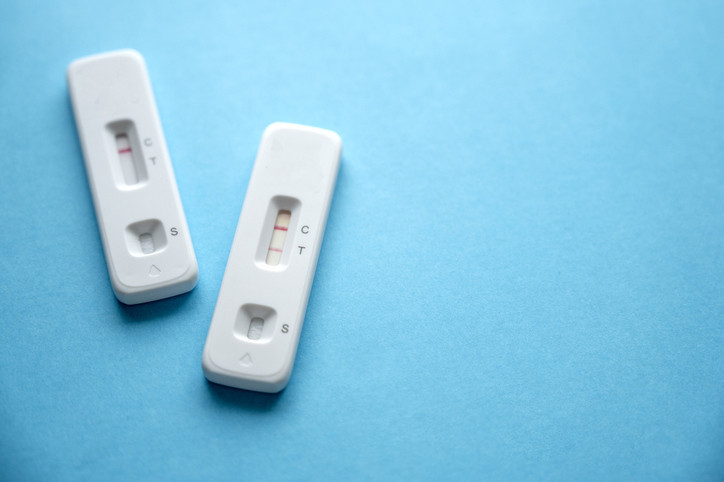
Preparing for the holidays? Don't forget rapid tests for COVID-19
As the holiday season approaches again, the desire to gather is tempered by lingering concerns about COVID-19. Rapid COVID-19 tests could provide some reassurance if testing is done as guests arrive at a host's home, though it's important to be aware of the limitations of this approach, including cost, availability, reliability, and how results are obtained.

Is BMI the best predictor of future health?
Body mass index (BMI) is determined by a combination of one's weight and height. A BMI of 18.5 to 24.9 represents a healthy weight, 25 to 29.9 is overweight, and 30 or greater is obese. BMI is a better measure of health than just weight, but it still has its flaws. It doesn't assess body fat as well in older folks as it does in younger adults. And it doesn't distinguish between fat that's in the belly from fat in other places, like the hips. For this reason, measurements comparing waist to hip size are also used.

Could high calcium intake damage my heart?
Past research hinted at a link between heart disease and a high intake of calcium from supplements, but more recent analyses have not found a connection between the two.

Going to sleep late at night associated with obesity, big bellies
CoQ10: Should you take this popular supplement if you're on a statin?
Microplastics: A hidden health threat?
Oat vs. dairy milk: Nutrition, benefits, and downsides
What is tempeh? Benefits, nutrition, and how to use it
Healing after food poisoning
Children of centenarians may stay healthier and live longer too, study finds
Light exposure at night may raise risk for heart disease
Whole grains may improve several heart risk factors at once
A lumbar belt may help ease low back pain
Signs of pneumonia: Sometimes vague and unexpected
Free Healthbeat Signup
Get the latest in health news delivered to your inbox!
Sign Up
